


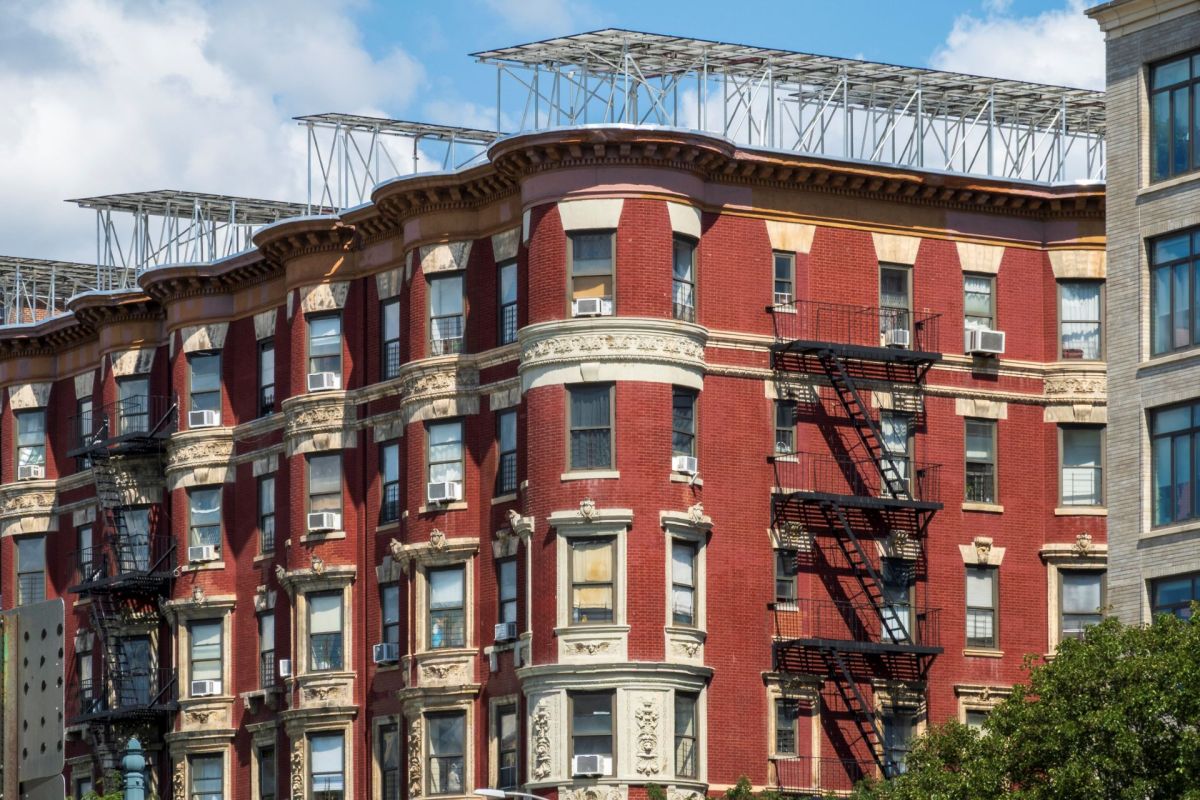
A New York City homeowner's solar quote looked solid on paper, coming in at $18,900 for a 5.4-kilowatt system, with incentives sharply lowering the effective cost. But astute Redditors in the "r/solar" community quickly zeroed in on one detail that could make or break the deal.
Here's what to know
The numbers that drew the most attention were fairly specific in the post. The Queens resident said Con Edison bills run "roughly $200–$300/month for electricity, averaging around $250," and the proposal they shared was for a 12-panel, 5.4-kilowatt system priced at $3.50 per watt.
The quote included 12 SEG Solar 450W panels, 12 Enphase IQ8MC microinverters, estimated annual production of 6,678 kilowatt-hours, and a projected 104% offset.
The proposal also relied on favorable financing and incentives to make the monthly math work. It showed a 15-year loan at 4% APR, with payments of about $139 per month at first and roughly $81 after incentive pay-downs. The listed incentives were a $4,725 New York State credit and a $5,670 New York City property-tax abatement, bringing the effective cost to about $8,505.
Replies suggested the price wasn't especially unusual for the local market. One wrote, "Price wise it's pretty good for the area."
Going solar is one of the best ways to save money on home energy, especially in a high-rate market like New York City. Homeowners who want a clearer sense of pricing can try EnergySage to get free solar installation estimates and compare quotes.
More background
What worried commenters most was not the panel brand or inverter choice but the age of the roof underneath them. The homeowner said the roof is about 13 years old, and several people argued that this detail could meaningfully change the overall value.
Some of that advice came from firsthand experience.
Save $10,000 on solar panels without even sharing your phone number Want to go solar but not sure who to trust? EnergySage has your back with free and transparent quotes from fully vetted providers that can help you save as much as $10k on installation. To get started, just answer a few questions about your home — no phone number required. Within a day or two, EnergySage will email you the best local options for your needs, and their expert advisers can help you compare quotes and pick a winner. |

"I had a 12yo roof and after 7yr of panels I was forced to re-roof because of damage, it cost me almost $7k to simply remove and re-install the panels, so play your math accordingly," one commenter said.
Another advised: "First I changed my roof and then I put the panels on."
Solar equipment can stay in place for 20 years or longer, so if the roof needs replacement before then, the cost to remove and reinstall the system can reduce the savings that made the project appealing.
The thread also contained a warning in regard to financing.
More From EnergySage
💡Go deep on the latest news and trends shaping the residential solar landscape

"Make sure you qualify for the EFS loan BEFORE signing," one commenter wrote.
What can be done?
Taken together, the comments outlined a practical pre-signing checklist: Get additional quotes, ask for written details, and weigh a reroof first.
Tools can help with that comparison shopping. With EnergySage's help, the average person can save up to $10,000 on solar purchases and installations.
And EnergySage's solar map shows the average cost of a home solar panel system on a state-by-state level, along with details on solar panel incentives for each state, helping homeowners get the best price for rooftop solar panels and access available incentives.
Adding battery storage to a solar setup is also one of the best ways to protect your home during outages, save money on energy, and go off-grid. Homeowners curious about backup power can explore EnergySage for information about home battery storage options, including competitive installation estimates.
Where can I learn more?
If a solar quote looks good on paper but raises questions, look for a few things to gauge its real value.
• EnergySage's former COO broke down the mystery of solar costs for homeowners comparing installation quotes.
• A real estate agent touted panels, but the first bill of $420 shocked the new owner.

Get TCD's free newsletters for easy tips, smart advice, and a chance to earn $5,000 toward home upgrades. To see more stories like this one, change your Google preferences here.






