


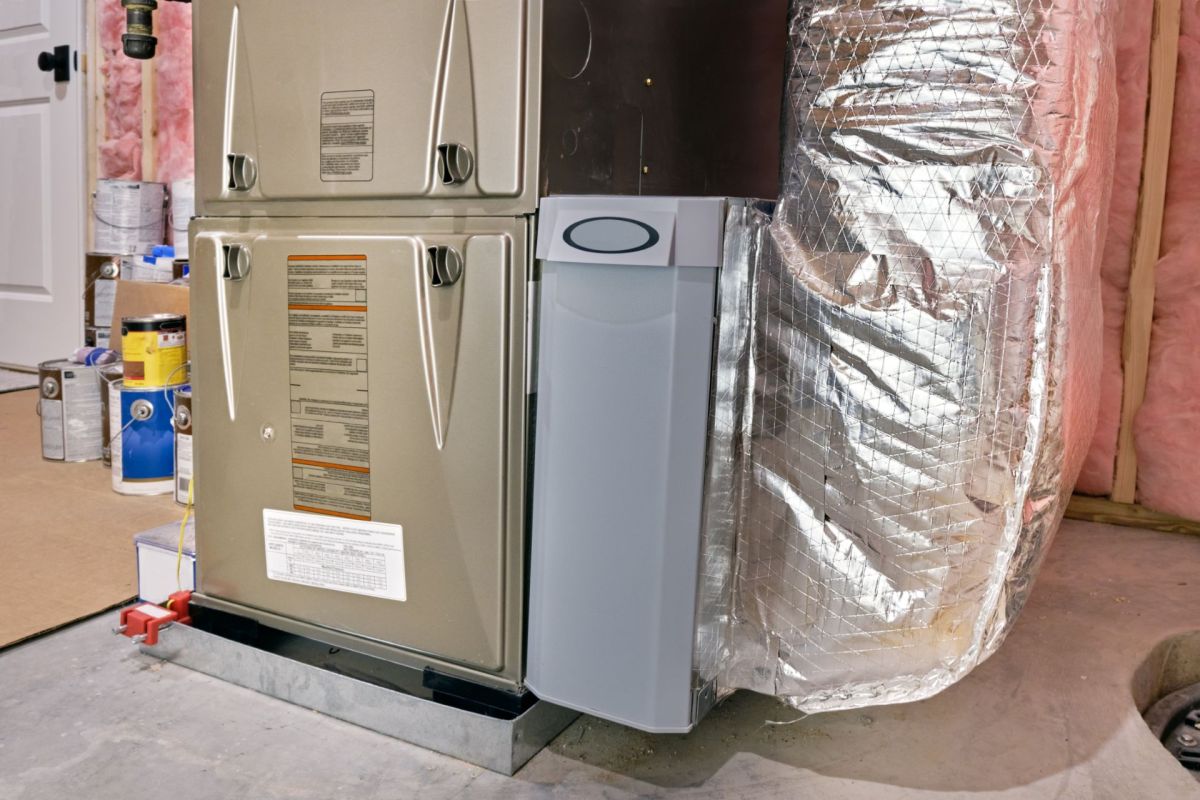
A New York homeowner thought paying for an independent heat-load calculation would make shopping for a new furnace easier. Instead, the report became a test of which HVAC contractors were willing to work from the math.
They turned to Reddit after repeated bids pointed them toward far larger equipment than they expected. The original poster said they had bought a 1,440-square-foot single-story house with crawlspace ductwork described as "very old, dirty, and crumbling."
They wanted to replace the ducts, switch from oil heat to gas, and add central air, but an outside energy company's Manual J, S, and D testing pointed to a much smaller system than the 100,000-BTU furnaces several contractors had been pushing.
Here's what to know
Rather than working from the sizing report, the OP said multiple contractors brushed it aside. The report estimated the home's heating load at 24,000 BTU and recommended a furnace with a maximum output of 57,000 BTU.
"I am kind of pulling my hair out trying to find a contractor who will follow the recommendations in the report and take the job," they wrote.
Commenters questioned whether 24,000 BTU sounded too low for an old house in that climate, especially if insulation values were based partly on assumptions. Others said that even if the exact number deserved a second look, the bigger issue was that contractors were refusing to engage with the report at all.
If you're sorting through quotes, Palmetto can help you understand your HVAC options. Palmetto's Comfort Plan can help you explore heating and cooling options for your home.
More background
Manual J is the industry standard for calculating how much heating and cooling a home needs. It accounts for square footage, insulation, windows, air leakage, and local climate, while Manual S and D match the equipment and duct design to that load.
Save $10,000 on solar panels without even sharing your phone number Want to go solar but not sure who to trust? EnergySage has your back with free and transparent quotes from fully vetted providers in your area. To get started, just answer a few questions about your home — no phone number required. Within a day or two, EnergySage will email you the best options for your needs, and their expert advisers can help you compare quotes and pick a winner. Solar panels can save you more than $50k over their 25-year lifespan, and EnergySage can help you save as much as $10k on installation. Which begs the question — isn't that worth an email or two? |

Oversized systems can cost more upfront, run less efficiently, and cycle on and off too often, which can hurt comfort and chip away at the savings homeowners expect from a major HVAC upgrade.
In an update, the OP said their winters were usually around 30-40 degrees, though it sometimes dropped into the 20s, with rare one- or two-day cold snaps in the single digits.
"Sounds like this independent report is paying for itself by weeding out the unethical or uneducated sales reps masquerading as HVAC techs that are being sent to their house," one user wrote.
What can be done?
If you're getting estimates, ask each contractor whether they size systems using Manual J and whether they are willing to explain the recommendation in writing. If someone brushes off the calculation, confuses efficiency ratings with heating output, or steers you toward one option, that may be a sign to keep looking.
You can also widen your search beyond big-name operations. Small local companies, energy auditors, and contractors who regularly install high-efficiency systems may be more willing to work from such numbers. And if you're not ready to spend up front, Palmetto's Comfort Plan is another option to explore.
If you're considering an efficient electric upgrade, pairing a heat pump with solar panels can drive your utility costs even lower. EnergySage makes it easy to find a solar system and installer for your home and budget.
Where can I learn more?
HVAC advice can turn into a sales pitch, with fuzzy explanations and eye-popping quotes. Pricing disputes and shifting incentives can shape what homeowners do once the sizing math points in a different direction.
• Homeowners across the HVAC market describe "trust me" sales tactics pushing costly systems.
• In Central New Jersey, $15K to $20K HVAC quotes left a homeowner questioning a heat pump upgrade.

Get TCD's free newsletters for easy tips, smart advice, and a chance to earn $5,000 toward home upgrades. To see more stories like this one, change your Google preferences here.






