


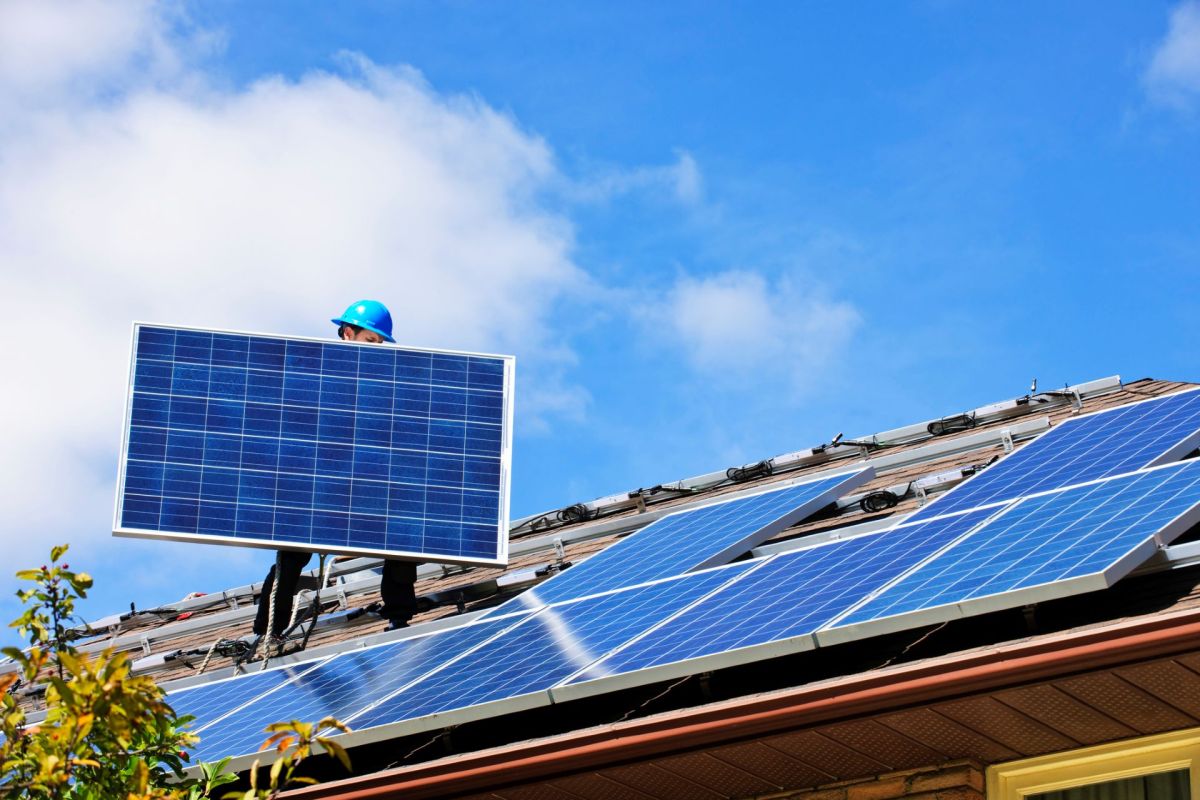
A homeowner in western New York turned to Reddit after a sales pitch from popular solar installer Empire Solar left them uneasy about the upfront cost involved with a solar and battery backup system.
Going solar can still be one of the best ways to save money on home energy, but that is only true when the quote is competitive and the financing terms are easy to understand.
Using free tools from EnergySage can help homeowners get quick solar installation estimates and compare quotes before signing.
What happened?
According to the Reddit post, the proposal centered on a 9.66-kilowatt solar setup expected to generate 10,100 kilowatt-hours in its first year, using 21 REC 460AA panels along with a Tesla integrated inverter and battery.
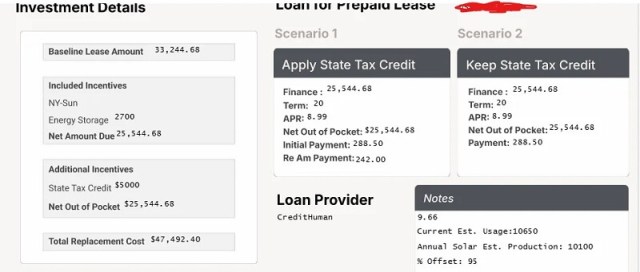
What gave the homeowner pause was the payment structure: the offer started with a five-year lease and then moved into financed ownership, with a 20-year term at 8.99% and a post-credit cost of $25,544.68. "I am having serious doubts about how this plays out after looking at the long term," the homeowner wrote.
Another issue was that the household was set to add central air in about two weeks, yet that higher electricity use was not included in the system design. If the array is too small, it may not deliver as much long-term value.
Reddit commenters said the listed total contract price of $47,492.40 was above typical market pricing — though compared against an upfront price, with a tradeoff involved to gain the convenience of paying less upfront with a five-year lease to begin.
After receiving that feedback — and with Empire Solar customers vouching for the company, which has a 4.7-star review score on Google — the homeowner followed up to say they ultimately decided to cancel the agreement, at least for now, and keep looking.
Save $10,000 on solar panels without even sharing your phone number Want to go solar but not sure who to trust? EnergySage has your back with free and transparent quotes from fully vetted providers that can help you save as much as $10k on installation. To get started, just answer a few questions about your home — no phone number required. Within a day or two, EnergySage will email you the best local options for your needs, and their expert advisers can help you compare quotes and pick a winner. |

One of the best ways to gain confidence you're getting a good deal is to get multiple quotes and stack up different offers against each other.
EnergySage specializes in that, allowing you to do it without the companies even getting your email or phone number until you want one or more to have a way to contact you outside their messaging system. Their comparison shopping tools can also make it easier to spot when a deal appears out of line.
Why does it matter?
Solar can be an excellent way to reduce utility bills, especially in a state like New York, where electricity costs can run high. However, high interest rates, complicated ownership arrangements, and inflated contract pricing can quickly undercut the savings that make rooftop solar so appealing.
Future energy needs also affect solar system design. If a household is planning to add central air, an EV charger, or new appliances, a quote based only on current usage may not generate enough power to maximize long-term savings.
More From EnergySage
💡Go deep on the latest news and trends shaping the residential solar landscape


What can I do?
Before signing any contract, ask for the cash price, financing price, estimated lifetime cost, and a system design based on expected future electricity use, not just the previous year's utility bill. Tools such as EnergySage's solar map can show the average cost of a home solar panel system in each state, along with available solar incentives. Together, those resources can help readers get the best price for rooftop solar panels and access available incentives.
Free comparison services can be especially valuable in situations like this. With EnergySage's help, the average person can save up to $10,000 on solar purchases and installations. Its free tools let shoppers compare equipment, pricing, and installer terms side by side instead of relying on a single sales pitch.
Adding battery storage to a solar setup is one of the best ways to protect your home during outages, save money on energy, and go off-grid. Homeowners who want to learn more can explore EnergySage for information about home battery storage options, including competitive installation estimates.
One commenter told the homeowner to shop around, calling it "overpriced," at least compared to the cost of simply buying upfront for those who can afford to do so all at once with no financing or leasing required. It's worth noting, though, that solar deals beginning with a lease are still eligible in most cases for federal tax credits that the leasing company can pass along in cost savings, so the math can work out better than a pure cost of leasing convenience might imply.
The commenter also echoed the aforementioned advice about EnergySage, saying: "Hop on energy sage and get additional quotes from other contractors and engage with reputable ones. You'll get much better pricing."
In fact, it's hard to imagine shopping for solar panels without using EnergySage, as it can help you go solar with free tools that let you curate competitive bids from local installers without them obtaining any of your contact information unless you choose to work with one further.
The post captured both the homeowner's concern and the eventual decision to move on: "I am having serious doubts about how this plays out after looking at the long term," the homeowner wrote, later adding, "THANK YOU ALL, your advice is appreciated and heeded. I will be cancelling with Empire and searching elsewhere."

Get TCD's free newsletters for easy tips, smart advice, and a chance to earn $5,000 toward home upgrades. To see more stories like this one, change your Google preferences here.






