


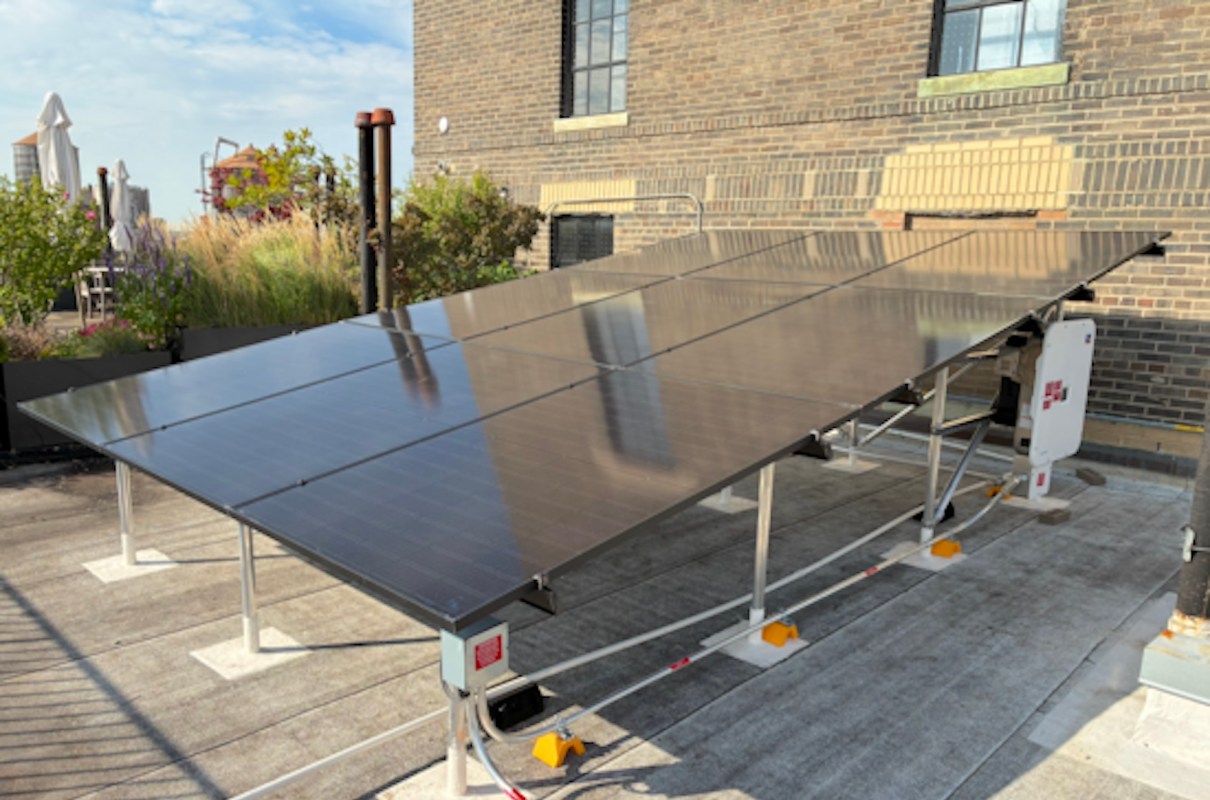
Electricity is flowing from rooftop panels at a New York City co-op where a fresh assessment overturned an initially unpromising outlook for solar.
The reassessment raised its estimated annual electricity output from about 4,000 kilowatt-hours to 18,000 — more than quadrupling the original projection, according to Habitat Magazine.
Here's what to know
Clifton House, a 125-unit landmarked cooperative on Manhattan's Upper West Side, has installed around 40 low-profile solar panels on its south- and east-facing rooftop sections.
The 17-story building's roof deck and central bulkhead initially appeared to leave little room for panels.
Because Clifton House exceeds 100 feet, it wasn't subject to rules requiring six-foot perimeter clearances for firefighter access on shorter buildings.
Solar panels could therefore occupy a larger share of the roof.
For residents exploring electricity savings, $0-upfront solar leases may save you hundreds of dollars per month, depending on your circumstances. EasyHome offers a free explorer tool to estimate your possible savings and find vetted local installers.
More background
Installers could connect the panels at the roof rather than route wiring to the basement electrical panel.
Crushed by your bills? See instant solar savings from vetted installers in just a few clicks With energy prices through the roof, there's never been a better time to go solar — and EasyHome can help you find the best prices from the best installers in your area. EasyHome takes the guesswork and headaches out of energy upgrades by showing you estimated savings from a network of vetted local partners. To get started, just enter your ZIP and share a few details about your home — seeing your estimate is really that easy. |

That option was available because the co-op had already upgraded its electrical system.
"That avoided the expense and headache of a full 17-story conduit run," explained Ryan O'Hara, business development manager at installer Brooklyn SolarWorks.
No crane was needed to get equipment upstairs; workers used the co-op's service elevator instead.
The installed system supplies 3% to 5% of the electricity the building uses.
Net metering at Clifton House will benefit apartment electricity costs, not just common-area costs. The arrangement works because a master meter combines all residents' electricity costs in one bill.
Solar also reduces the building's reliance on electricity generated from fossil fuels, helping it comply with Local Law 97.
The building faces no emissions penalties under that law until at least 2035.
What's being done?
The board used the co-op's reserves to pay for the $124,000 installation, and a New York City property tax abatement will offset 30% of the cost.
According to Habitat Magazine, shareholders may qualify for a New York state income tax credit covering up to 25% of the cost, subject to individual limits and eligibility requirements.
The board estimates a payback period of five to about 10 years.
For households looking to control costs alongside outage preparedness, EasyHome also offers options to explore battery storage. Pairing solar with batteries can help manage electricity costs and provide backup power during outages.
For Clifton House board president Jonathan Montbach, the investment offers a way to stabilize a portion of the building's long-term operating costs.
"It's about what we can do that might defray a little bit of expense," he observed.
Where can I learn more?
At Clifton House, a closer look at roof space and installation options helped make solar work. These stories follow homeowners as they navigate solar suitability, roof age, and pricing.
• A New Jersey homeowner facing bills nearing $600 learned east-west roofs can support solar.
• A New York homeowner's $18,900 solar quote faced complications from a 13-year-old roof.
• A New York homeowner receiving $64,000 solar quotes learned prepaid leases may inflate prices.

Get TCD's free newsletters for easy tips, smart advice, and a chance to earn $5,000 toward home upgrades. To see more stories like this one, change your Google preferences here.






