


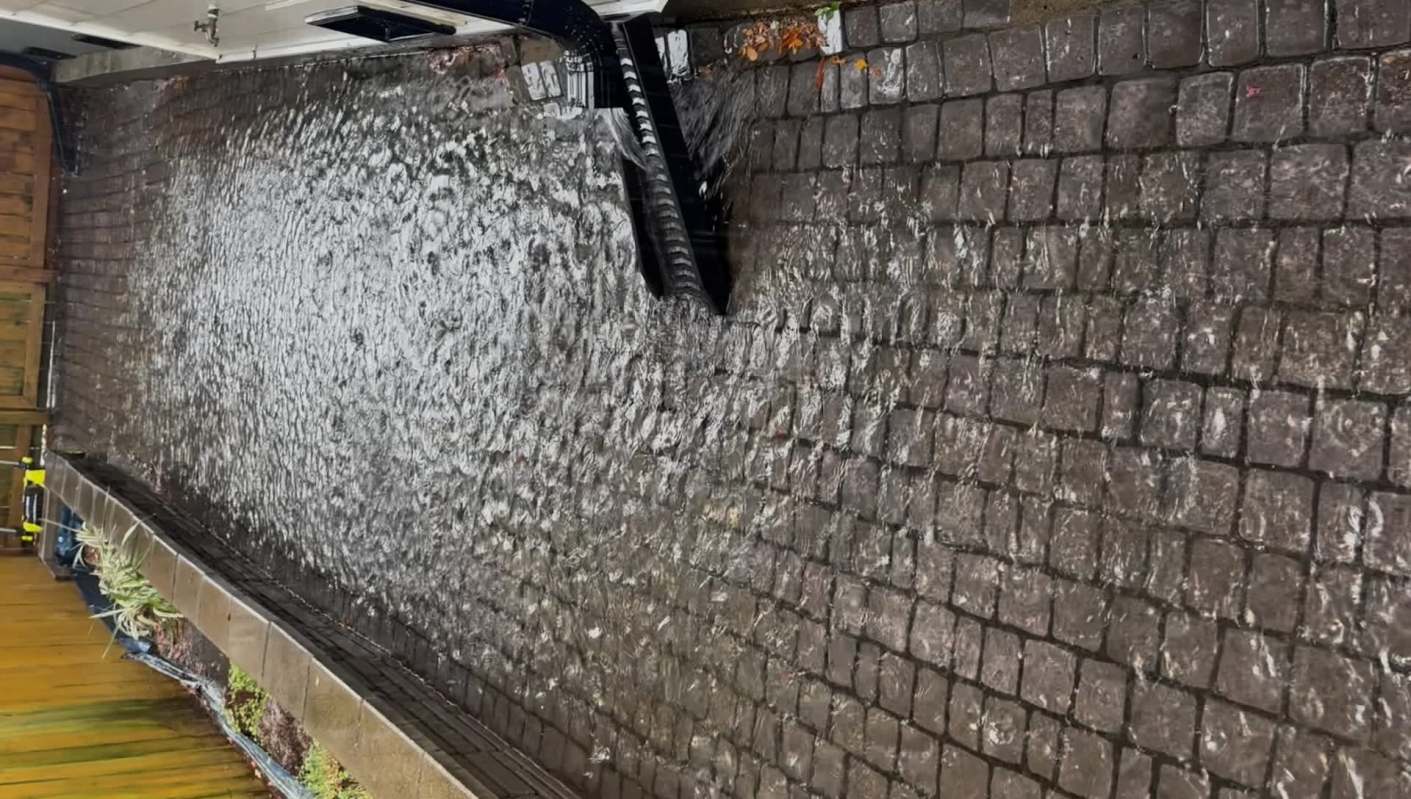
A paver walkway can boost curb appeal, but that appeal fades fast if it sends water toward a home's foundation.
That is the problem one New Orleans homeowner faced after discovering that a sealed cobblestone path installed by the previous owners had sunk in places and was channeling rainwater toward the house.
Here's what to know
The path had dropped by four inches near the foundation, as the homeowner described in a Reddit post. They said the walkway had been built with waterproof grout over a rubber layer, preventing water from soaking into the soil, and that the ground underneath did not appear to have been compacted properly.
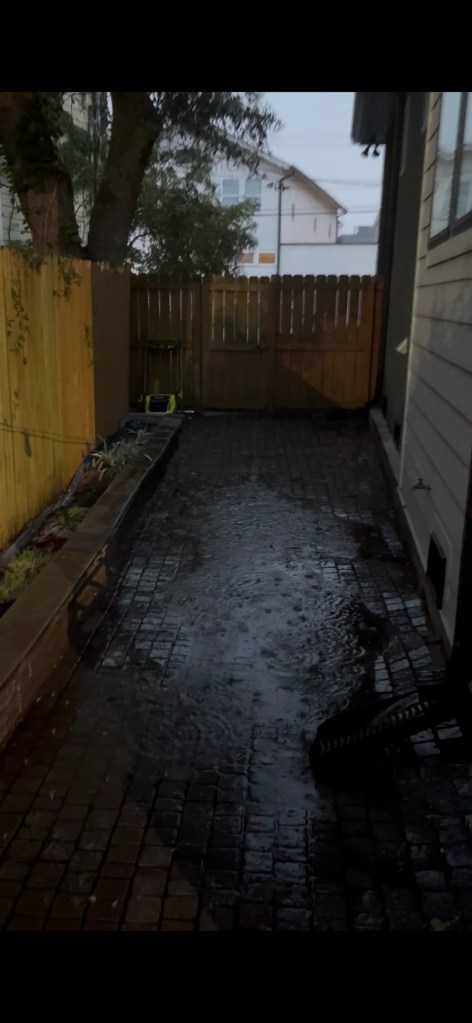
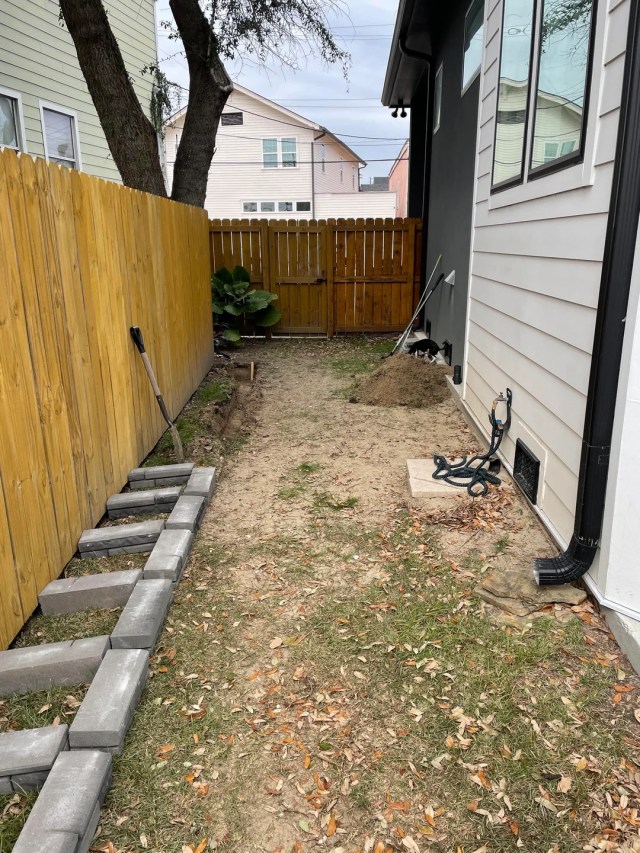
The runoff had left voids beneath the foundation. The homeowner said the house was supported by pilings, so the exposed area was concerning but not a structural emergency. "So now when the walkway fills up with rain the only place it has to escape is where the cobblestone meets my foundation," the homeowner wrote, asking for suggestions on "the most affordable long-term fix."
They said they expected to spend $3,000 tying the gutters into a drain line that would discharge near the curb, and they wanted to keep the entire repair under $7,000.
Commenters agreed that addressing the gutter runoff should come first. "When you have your gutters tied to the drain line, that will solve most of this," one wrote.
TCD Picks » Quince Spotlight
💡These best-sellers from Quince deliver affordable, sustainable luxury for all




Others said the drainage work may not eliminate the need to redo the walkway. Suggestions included rebuilding the base, installing a drain, and replacing the sealed design with gravel or permeable pavers.
More background
When pavers are sealed or grading changes, rain can rush across the surface, collect at low points, and wash out nearby soil.
That risk can be especially serious in a place such as New Orleans, a low-lying coastal city. Even when a home is structurally sound, unchecked erosion can lead to costly fixes and repeated maintenance.
"This should be a priority repair for you. I would put how it looks out of mind until you have repaired and protected the structure and drainage near the foundation," one commenter said.
Permeable surfaces and planted areas can help water soak in naturally so it doesn't move toward walls, slabs, or crawl spaces.
What can be done?
"Cheapest fix is running your downspouts away from the area. Wait for a big rain. Then reassess," a user wrote.
If the pavers remained, the consensus was to rebuild with a proper sub-base, pitch the surface away from the house, and add drainage such as a channel drain or grate.
Considering cost, some commenters suggested gravel with large pavers instead of reinstalling a sealed path. That kind of swap could also open the door to a partial lawn replacement with native plants, clover, buffalo grass, or xeriscaping — all low-maintenance options that can save money and time on yard work while lowering water bills.
Where can I learn more?
• A homeowner found water pooling outside a residence, raising foundation drainage concerns.
• After heavy rain, a contractor's concrete patio drainage mistake damaged one yard.
• A neighbor's trench flooded a yard, prompting calls to involve city officials.

Get TCD's free newsletters for easy tips, smart advice, and a chance to earn $5,000 toward home upgrades. To see more stories like this one, change your Google preferences here.






