


A New Jersey renter said years of weak heating and air conditioning came with an alarming discovery.
They found their apartment's HVAC system may also have been heating and cooling a maintenance unit next door.
Here's what to know
On Reddit's r/legaladvice, they said they live in a New Jersey complex made up of single-story buildings. They said each apartment has its own HVAC equipment, and residents pay their own gas and electric bills.
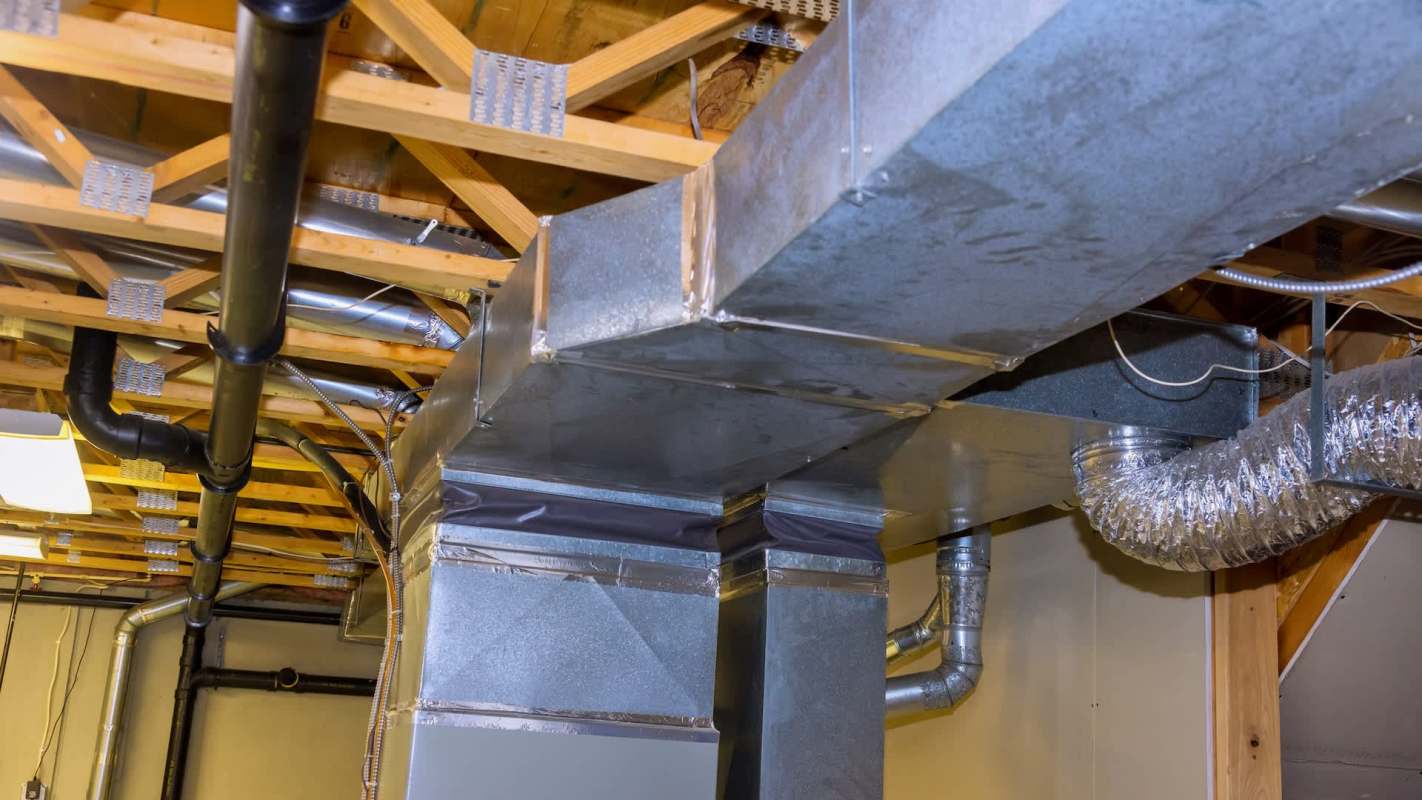
The tenant said the issue was not just an aging system. After years of being told the struggling HVAC was simply old, they wrote that "the complex altered the end of the ductwork for my unit and cut a hole without a register to heat and cool the maintenance unit."
The poster also said that "the maintenance unit has no other hvac in it and the thermostat is in my unit," suggesting the neighboring space may have been relying entirely on the renter's system.
According to the post, management repaired the problem in less than 24 hours but refused to repay utility costs from the prior five years. The renter also said the apartment's vents were non-adjustable.
TCD Picks » Quince Spotlight
💡These best-sellers from Quince deliver affordable, sustainable luxury for all




Legal questions surfaced quickly in the replies, including whether a tenant can be charged for utilities serving another space.
"Many states say shared utilities aren't the responsibility of the tenant," one commenter wrote.
More background
If a tenant is unknowingly heating or cooling a shared or non-residential space, the result can be wasted energy, higher costs, and a home that never feels as comfortable as it should.
The situation also fits into a pattern in which landlords and property rules can block money-saving changes. Across the country, renters have reported being prevented from taking practical steps such as growing food gardens or hanging clotheslines to dry laundry — two low-cost habits that can trim household expenses and reduce energy use.
One commenter wrote, "What you are looking at here is essentially a form of theft."
Another wrote, "It's also a giant code violation, since it opens up the ductwork to another space, if it's unbalanced puts the whole unit under negative pressure, and that can cause problems like a backdraft."
What can be done?
For tenants dealing with a similar problem, documentation can be crucial. That can include photos of ductwork changes, copies of utility bills, records of maintenance complaints, and written communication with property management about temperature issues and repairs.
Commenters suggested looking beyond a simple refund request. Along with advice to contact local housing authorities or code enforcement if shared-utility or habitability rules may be involved, one said, "Sounds like small claims court to me, but please check your local tenant laws, as they vary wildly."
For renters who want to work with landlords or property managers to update outdated rules before problems escalate, organized resident feedback can sometimes help push through common-sense changes that lower costs.
Where can I learn more?
This kind of complaint usually points to more than a single bad repair or billing dispute. Other renters have described apartment setups that seemed misleading, violated basic code standards, or left them paying for heating and cooling decisions they had no say in.
• Another tenant found a 'fake' ventilation fan in a bathroom and suspected a code dodge.
• One renter's dispute over a landlord's HVAC decision underscored how equipment choices can trap tenants.
• In New York City, officials gave public housing residents new heat pumps to replace aging radiators.
Unclear building systems and property policies can push extra costs onto residents. For tenants trying to sort out high utility bills, comfort issues, or possible code problems, the pattern is familiar.

Get TCD's free newsletters for easy tips, smart advice, and a chance to earn $5,000 toward home upgrades. To see more stories like this one, change your Google preferences here.






