


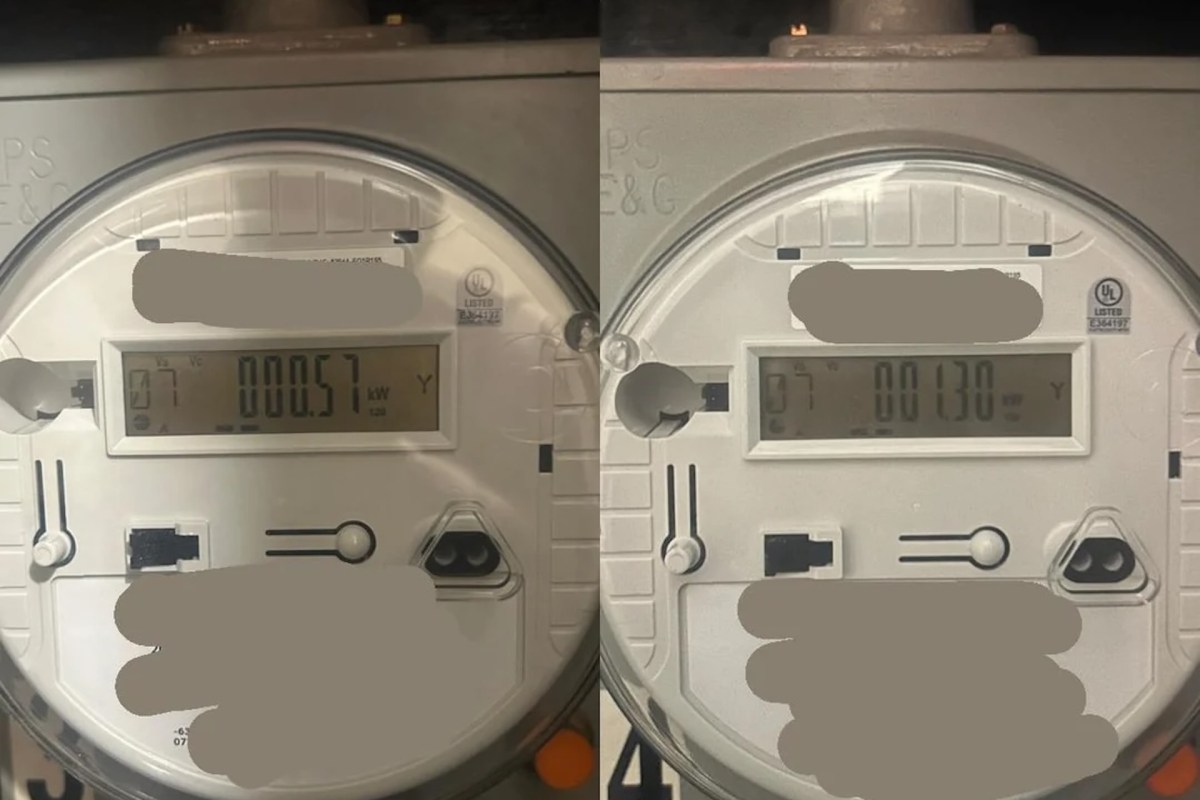
A New Jersey tenant faced an electric bill that suddenly doubled with no added usage, and, to make matters more mysterious, only his meter doubled.
The problem persisted even with the apartment's air conditioner off, major electric appliances limited, and no one home for most of the day. The tenant started to consider the possibility of energy theft.
Here's what to know
In June, the renter began seeing higher PSE&G bills in their nine-unit apartment building, according to a Reddit thread in r/AskElectricians.
"I have gas heat & stove, no electric dryer or dishwasher, AC is OFF, barely home before 7 PM," they wrote.
What alarmed the tenant most was that nearby apartments were showing about 0.39 to 1.30 kilowatts in real time, while their own meter showed "3.52 kW active draw with nothing major running in my apartment!" They also said a PSE&G representative told them the other units in the building were paying less than $200 from June through September, even as their bill had doubled.
The poster said the meter number matched the one on the bill. They also reported a cumulative reading of about 18,000 for their unit, compared with under 10,000 for nearby apartments, and said checks at 8 p.m. and 11:30 p.m. showed the other screens unchanged.
TCD Picks » Quince Spotlight
💡These best-sellers from Quince deliver affordable, sustainable luxury for all




More background
In a multi-unit building, a swapped circuit or mislabeled meter can leave one household paying for another unit's heavy electricity use, especially for equipment such as air-conditioning condensers or water heaters.
If the wrong person pays for the electricity, they end up stuck with a bill for someone else's usage. That also makes it harder to cut waste and reduce pollution tied to extra power use, because the person using the extra power with an unchanged meter may think they aren't adding extra pollution.
For tenants already dealing with rising utility costs, a billing mystery can quickly become a housing issue, especially if a landlord is slow to respond, as is the case here.
What can be done?
Much of the advice was to shut off the main breaker, or turn off individual breakers, and then see whether the meter reading falls. As one commenter put it, "your usage should be 0 if your main breaker is off."
In an update, the original poster said they planned to leave breakers off during the workday, press PSE&G to investigate, and bring in an electrician if needed.
Another commenter said that if a landlord refuses to act after the problem is demonstrated, a local electrical inspector may be able to force a proper repair by a licensed electrician.
The renter shared an update that showed why staying vigilant and doing tests matters: "After the work day the meter was still stuck at the same number even though al breaks had ben off all day." PSE&G replaced the meter and said it would check the old one. The renter also began collecting quotes from electricians.
Where can I learn more?
These stories follow tenants and homeowners as they trace sudden bill spikes to billing mix-ups, disputed usage, and unexpected power draws.
• In Texas, a renter saw electric bills suddenly quadruple and scrambled for answers.
• A homeowner wondered whether a neighbor's upgrade quadrupled electricity costs overnight after a baffling spike.

Get TCD's free newsletters for easy tips, smart advice, and a chance to earn $5,000 toward home upgrades. To see more stories like this one, change your Google preferences here.






