


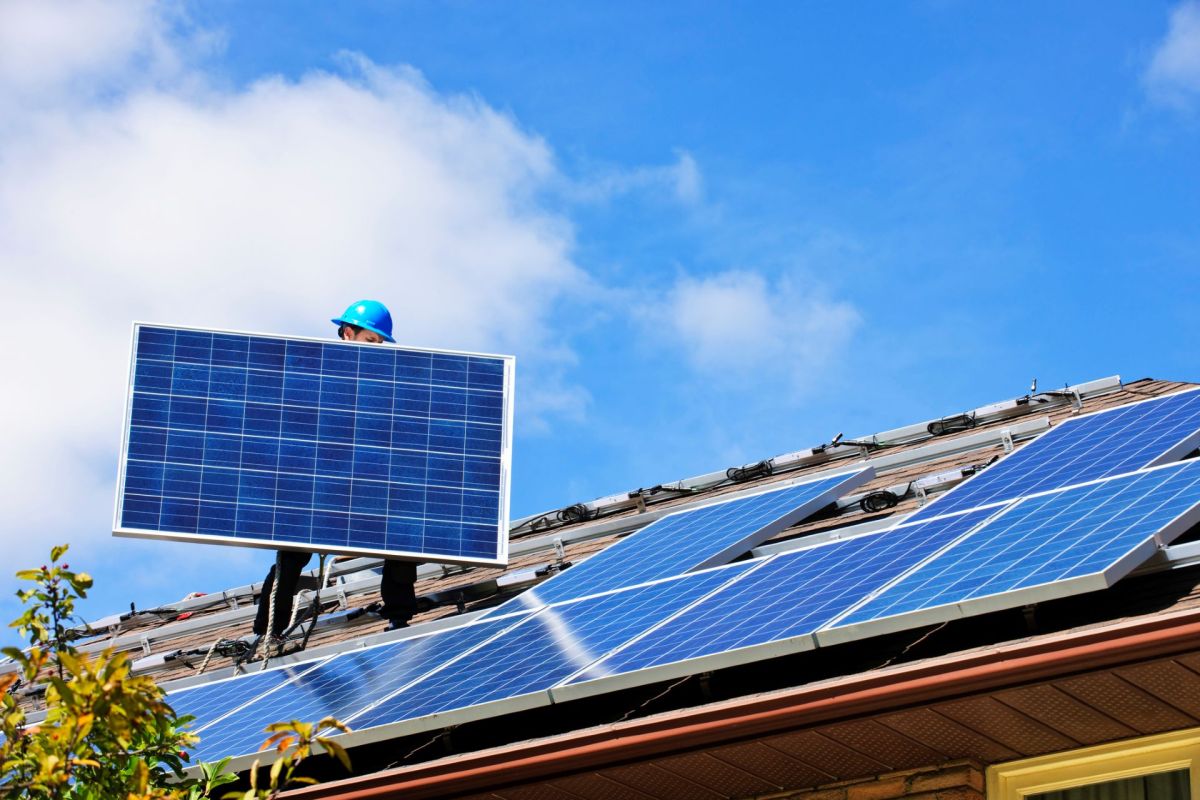
A New Jersey homeowner thought the hardest part of adding solar to a detached garage and house would be choosing the right inverters and batteries.
Instead, a seemingly simple decision over what kind of subpanel to install in the garage turned into a warning that could limit the system's future size.
Here's what to know
Before buying any solar equipment, the homeowner turned to Reddit's r/SolarDIY forum to ask about roughing in underground conduit. The original poster described a 24-by-40 detached garage under reconstruction, with a south-facing roof and plans to house the batteries and inverters there.
Their current plans already call for a 100-amp subpanel in the garage, while the house has a 200-amp main panel outside.
The top comment focused on backfeeding the garage subpanel and warned, "At 100 amp panel you're limited," pointing to the common issue of busbar capacity. That same user said a 200-amp replacement would not automatically fix the issue, advising, "Don't just pick any 200 amp. Look for a panel that is 200 amp with a 225 amp rated bus bar."
The OP replied to the commenter, writing, "Nothing is done yet. I have no issue installing a 200amp physically or cost wise. I already sized the conduit and feeder conductors for 200amp." From there, the homeowner started considering a routing plan that would bring service to the garage first, place the inverter there, and then send power back to the house.
More background
OP's plan was for a system that could stay grid-connected but also work during outages, and commenters said that choice has ripple effects across the design, including disconnects, rapid shutdown hardware, and whether the arrays on the house and garage should be run as AC or DC.
The homeowner also wanted to know where to find utility rules covering interconnection agreements, net metering, and array-size limits. One commenter said the answer was on the utility's website, writing, "The utility side requirements were on my utilities net metering website. They had a page with all that information. Including the application fee for the interconnect agreement."
Save $10,000 on solar panels without even sharing your phone number Want to go solar but not sure who to trust? EnergySage has your back with free and transparent quotes from fully vetted providers that can help you save as much as $10k on installation. To get started, just answer a few questions about your home — no phone number required. Within a day or two, EnergySage will email you the best local options for your needs, and their expert advisers can help you compare quotes and pick a winner. |

As the discussion went on, the homeowner began weighing a separate solar setup, adding, "I'm now considering just keeping all the solar 100% off grid and just shedding my main loads."
Still, going solar is one of the best ways to save money on home energy, but only if the system is designed around your home's electrical limits from the start. Homeowners who want to compare their options can try EnergySage to get free solar installation estimates and compare quotes. With EnergySage's help, the average person can save up to $10,000 on solar purchases and installations.
And adding battery storage to a solar setup is one of the best ways to protect your home during outages, save money on energy, and go off-grid. Homeowners interested in that route can also explore EnergySage for information about home battery storage options, including competitive installation estimates.
Where can I learn more?
• EnergySage says interconnected factors shape costs long before homeowners choose panels or batteries.
More From EnergySage
💡Go deep on the latest news and trends shaping the residential solar landscape

• More homeowners are pairing panels with battery storage for home solar to ride out outages.
• On Cape Cod, net metering should leave one homeowner thousands of kilowatt-hours ahead.

Get TCD's free newsletters for easy tips, smart advice, and a chance to earn $5,000 toward home upgrades. To see more stories like this one, change your Google preferences here.






