


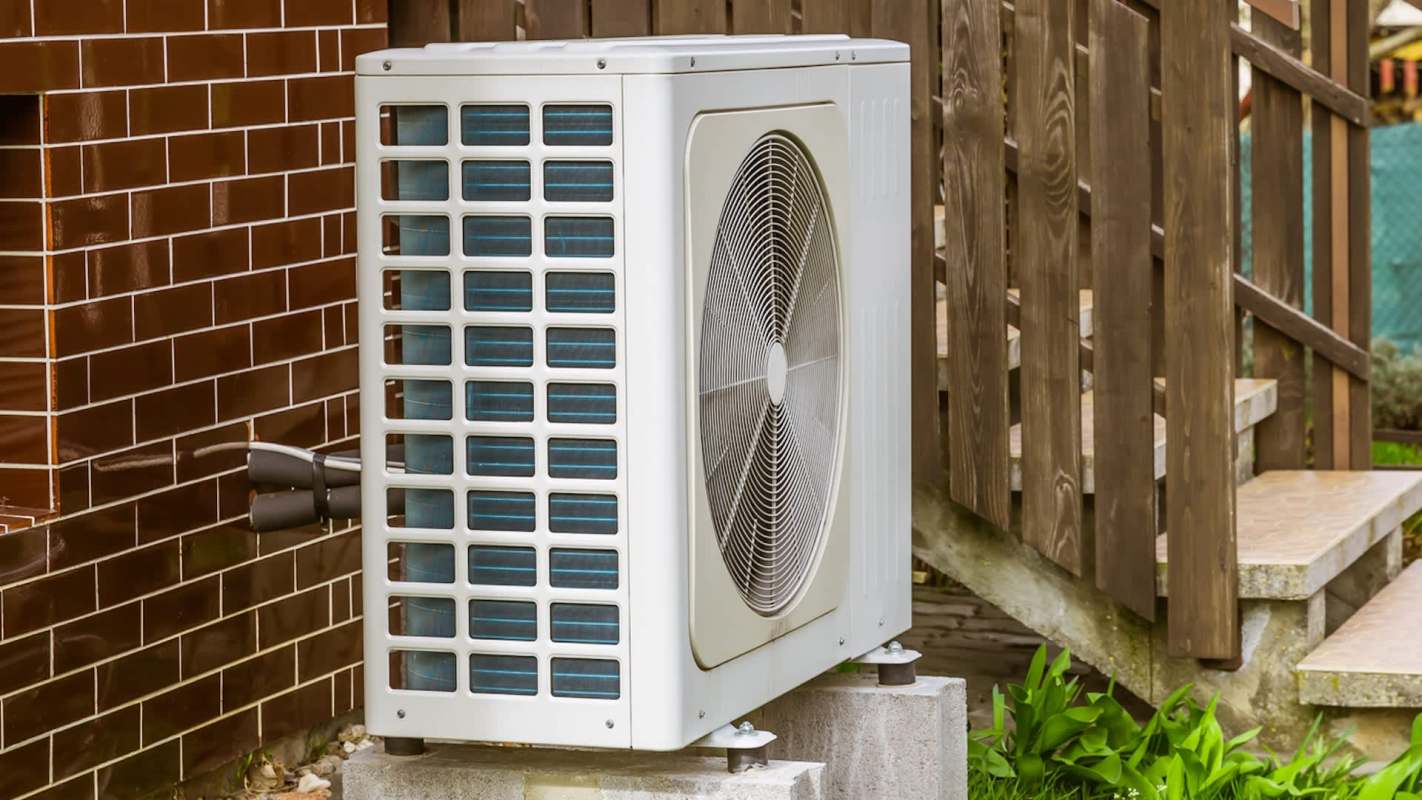
For one homeowner in southern New Jersey, an aging air conditioner and an oil boiler on its way out had them turning to the internet for advice on upgrading their HVAC system with a heat pump.
The question quickly became not just which heat pump to choose, but what size system would be appropriate for the house.
Here's what to know
On Reddit's r/HeatPumps forum, the homeowner described their house as being 1,200 square feet with existing ductwork.
The home also featured rooftop solar, upgraded attic insulation, and a 22-year-old air conditioner nearing replacement age.
"Boiler needs to be replaced but getting quotes far above what heat pumps would cost," the original poster said. They explained that they were comparing two variable-speed systems: a 3-ton Bryant and a 3.5-ton Daikin.
However, instead of focusing on the brands or models in question, many commenters zeroed in on whether either option actually matched the home's needs.
"3.5 is probably way over what you need," warned one commenter. "Get a Manual J done before you trust either quote."
A Manual J calculation is a commonly referenced benchmark used to determine a home's heating and cooling needs.
Save $10,000 on solar panels without even sharing your phone number Want to go solar but not sure who to trust? EnergySage has your back with free and transparent quotes from fully vetted providers in your area. To get started, just answer a few questions about your home — no phone number required. Within a day or two, EnergySage will email you the best options for your needs, and their expert advisers can help you compare quotes and pick a winner. Solar panels can save you more than $50k over their 25-year lifespan, and EnergySage can help you save as much as $10k on installation. Which begs the question — isn't that worth an email or two? |

Some commenters pointed out that an oversized unit can cause problems, like satisfying the thermostat too quickly without first removing enough humidity, which can leave the house feeling clammy in summer. They also noted that going too big can hurt efficiency during milder parts of the year.
If you're exploring similar options, Palmetto can help homeowners understand their HVAC options and slash their energy bills with new HVAC systems and heat pumps. Palmetto's Comfort Plan network can help connect you with vetted installers and efficient solutions for your home.
More background
The OP's situation reflected similar quandaries facing homeowners across the country. As aging fossil-fuel-based HVAC systems reach the end of their productive lives, a growing number of people are opting to replace them with electric heat pumps that can both heat and cool.
For households already generating solar power, a heat pump can mean even greater savings on home energy costs. However, whether dealing with a heat-pump HVAC or home solar, obtaining maximum benefits requires that the system be well-configured and installed correctly.
Responding to the OP, many commenters emphasized that the name on the box mattered less than the way the system is designed and installed.
One commenter who said they owned multiple brands concluded, "The reliability, performance and happiness is exactly the same for every one. Exactly."
Palmetto may also be worth considering for shoppers who want help navigating the process. Through Palmetto's Comfort Plan, homeowners can access vetted installers, and if you're not ready to spend up front, the plan includes $0-down options that can lower your heating and cooling costs by up to 50%. Palmetto Comfort Plans also include 12 years of free maintenance.
For households thinking even bigger, pairing solar panels with efficient electric appliances can push utility costs down even further. EnergySage makes it easy to find the best solar panel system and installer for your home and budget, saving you up to $10,000.
Where can I learn more?
Homeowners have asked similar questions about heat pump costs, sizing, and real-world savings.
• In central New Jersey, homeowners faced $15,000 to $20,000 HVAC quotes while weighing heat pumps.
• In Massachusetts, new homeowners learned their old oil system could cost more than upgrading.
• After an aging HVAC failed, one homeowner asked whether heat pumps cut bills enough.
• One homeowner pushed past the hype to see if next-gen HVACs save money in practice.
• An HVAC technician on TikTok challenged common myths about heat pumps that shape buyer decisions.

Get TCD's free newsletters for easy tips, smart advice, and a chance to earn $5,000 toward home upgrades. To see more stories like this one, change your Google preferences here.






