


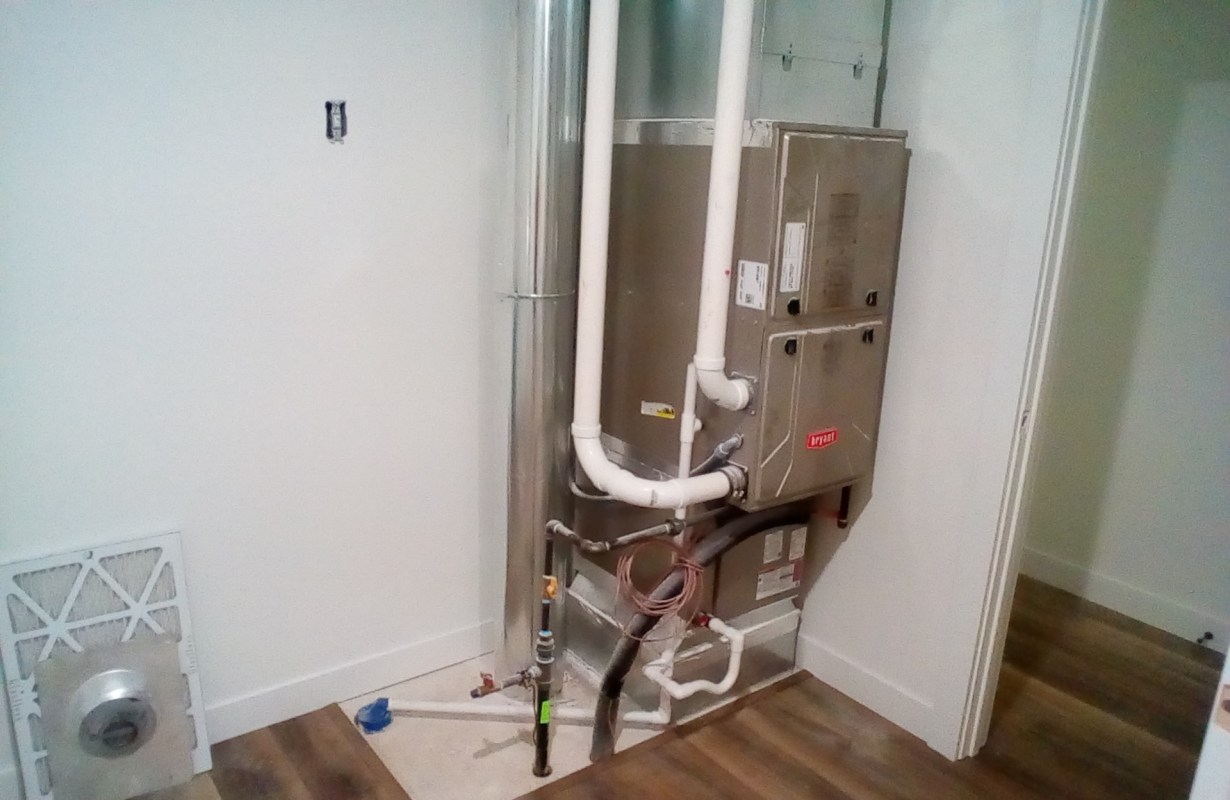
A southern New Jersey condo owner went shopping for a new HVAC system after a 24-year-old air conditioner failed and ran into a common problem: at least one contractor's recommendation did not match the home's load calculation.
Here's what to know
In a Reddit thread, the OP said they had gathered five full-system quotes priced from about $11,800 to $15,709 while facing utility costs of $0.29 per kilowatt-hour for electricity and $1.05 per therm for gas. One contractor also ran a load calculation that put the condo at around 1.5 to 2 tons and said the existing return was sized for 2 tons.
They said, "I've got 5 options currently, none of which perfectly match up, so I'm a bit stuck."
One proposal stood out because it exceeded that estimate: a $13,860 Goodman single-stage 2.5-ton system.
The owner said, "I'm not a huge fan of this one because their reasoning for the 2.5 Ton despite the J calculation was I'm on the 2nd floor of my condo, so I should go up."
Among the alternatives were a 2-ton Rheem and two 2-ton Carrier bids, including one two-stage setup, which tracked more closely with the calculation. If you're comparing quotes yourself, Palmetto can help you understand your HVAC options and slash your energy bills with new, efficient HVACs and heat pumps. Its Comfort Plan network can connect you with vetted installers and efficient heating and cooling solutions for your home.
More background
An air conditioner that is too large for the space can cool it quickly, cycle off sooner, and leave more moisture behind.
That matters especially in a humid climate.
Crushed by your bills? See instant solar savings from vetted installers in just a few clicks With energy prices through the roof, there's never been a better time to go solar — and EasyHome can help you find the best prices from the best installers in your area. EasyHome takes the guesswork and headaches out of energy upgrades by showing you estimated savings from a network of vetted local partners. To get started, just enter your ZIP and share a few details about your home — seeing your estimate is really that easy. |

One user said, "I'd go Carrier two-stage. You're in humid Jersey, that longer runtime matters more than the SEER bump."
Another added that "The half-ton oversize on the Goodman isn't catastrophic but it will short-cycle more and do a worse job on humidity."
A properly matched system may help you avoid paying more up front for capacity you do not need, while also improving comfort during muggy weather.
What can be done?
If you're replacing an aging furnace or AC, ask every contractor for the load calculation, the exact matched-system efficiency rating, and an explanation of how the equipment size fits your ductwork and humidity needs.
In this thread, one user said, "They actually sized it right and checked your return, which counts for a lot. The 80% furnace is fine, your gas is cheap and electricity is brutal at 29 cents. Installer matters as much as the box and these guys sound like they know what they're doing."
Palmetto is also worth a look if you want help sorting through the options. If you're not ready to spend up front, the Comfort Plan includes $0-down options that can lower your heating and cooling costs by up to 50%, and Palmetto Comfort Plan includes 12 years of free maintenance.
One user suggested, "With those prices, go for a 2-ton Mitsubishi H2I heat pump or a GREE flexx ultra."
You can also pair solar panels with electric appliances, like efficient HVACs, to drive your utility costs even lower. EnergySage makes it easy to find the best solar system and installer for your home and budget, saving you up to $10,000 on installations.
Where can I learn more?
For the New Jersey owner, the hard part was weighing upfront cost against efficiency and day-to-day comfort. Homeowners have a lot to consider, including rebates, maintenance, and summer energy habits that can change what you spend before and after a new system goes in.
• In South Carolina, homeowners can collect $500 to upgrade outdated AC units and ease replacement costs.
• Utility experts warn that common summer habits can make air conditioners work twice as hard.
• One homeowner found the difference was phenomenal after cleaning an AC unit in minutes.
These examples give a useful sense of the real costs and upkeep that come with home cooling. That context can make it easier to sort through quotes, efficiency claims, and long-term savings.

Get TCD's free newsletters for easy tips, smart advice, and a chance to earn $5,000 toward home upgrades. To see more stories like this one, change your Google preferences here.






