


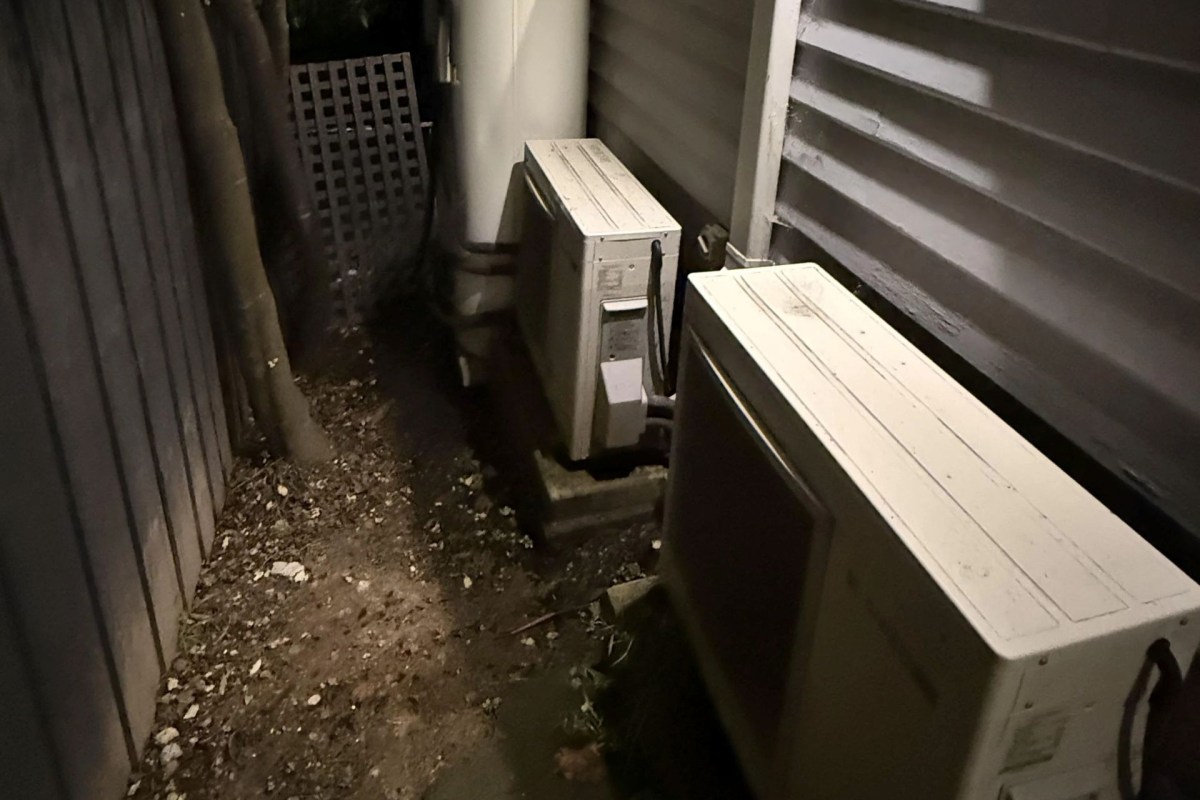
After moving into a house with an unfamiliar heating setup, a new homeowner asked Reddit for help after an energy-monitoring app showed what appeared to be a large "hot water" surge even though no showers were happening and no taps were on.
It raised a common question for people learning a home's systems for the first time: Is energy being wasted, or is the equipment simply operating normally?
What happened?
The Reddit post described a three-bedroom home with hydronic floor heating, two outdoor heat pump units, and two 310-liter water cylinders.
The homeowner summed up the concern this way: "Feels strange that we're getting these big spike and we're not even using the water."
Most of the replies focused on what the app was actually displaying.
Commenters said the reading was probably electricity attributed to the hot water circuit, not live household water use.
They also noted that the Sanden units are "very efficient heat pump units that use CO2," and one user said the spike was "just the app's way of labeling energy used by the hot water circuit, not actual water usage."
The homeowner added that they had recently adjusted the timer so the system would run for several hours during the warmest part of the day after reading that this could improve performance.
Save $10,000 on solar panels without even sharing your phone number Want to go solar but not sure who to trust? EnergySage has your back with free and transparent quotes from fully vetted providers in your area. To get started, just answer a few questions about your home — no phone number required. Within a day or two, EnergySage will email you the best options for your needs, and their expert advisers can help you compare quotes and pick a winner. Solar panels can save you more than $50k over their 25-year lifespan, and EnergySage can help you save as much as $10k on installation. Which begs the question — isn't that worth an email or two? |

For households looking to cut utility costs and reduce their exposure to rising energy prices, heat pumps remain one of the best home upgrades.
If you're trying to understand your own setup, EnergySage's heat pump marketplace program can help you explore efficient heating and cooling options for your home and connect you with trusted installers.
Why does it matter?
At the center of the discussion was a simple misunderstanding: normal heat pump cycling can look like waste if the app's labels are read too literally.
Commenters said a midday run drawing just under 2 kilowatts did not necessarily sound excessive for a setup involving large tanks and radiant floor heating.
As one person put it, "If that is the only window of the day it runs, it is not using too much."
The thread also surfaced a separate issue. If the water coming from the tap feels dangerously hot, commenters said the thermostatic mixing valve may need to be checked.
In systems like this, stored water can be kept hotter than faucet-safe temperatures to help serve hydronic heating.
When homeowners are unfamiliar with how efficient electric systems report and schedule their use, normal behavior can easily look like a malfunction.
What can I do?
If you take over a heat pump water-heating system, start by confirming what your monitoring app is measuring.
A "spike" on the hot water label may simply reflect a scheduled heating cycle on that circuit, not actual hot water use at that moment.
It can also help to review the tank temperature settings and understand whether the system is dividing duties between space heating and domestic hot water.
If your water is "REALLY hot," have a qualified installer check the mixing valve and the broader setup.
If you're considering an upgrade or replacement, you can also compare efficient HVAC options. And if you're not ready to spend up front, Palmetto offers an HVAC leasing program.
At a lower price point, Merino makes HVACs for targeted heating and cooling. That could be a useful option if you want to improve comfort in one area without tackling a whole-home overhaul right away.
You can also pair solar panels with electric appliances like efficient HVACs to push your utility bills even lower. You can also use EnergySage to find the best solar system and installer for your home and budget.

Get TCD's free newsletters for easy tips, smart advice, and a chance to earn $5,000 toward home upgrades. To see more stories like this one, change your Google preferences here.






