


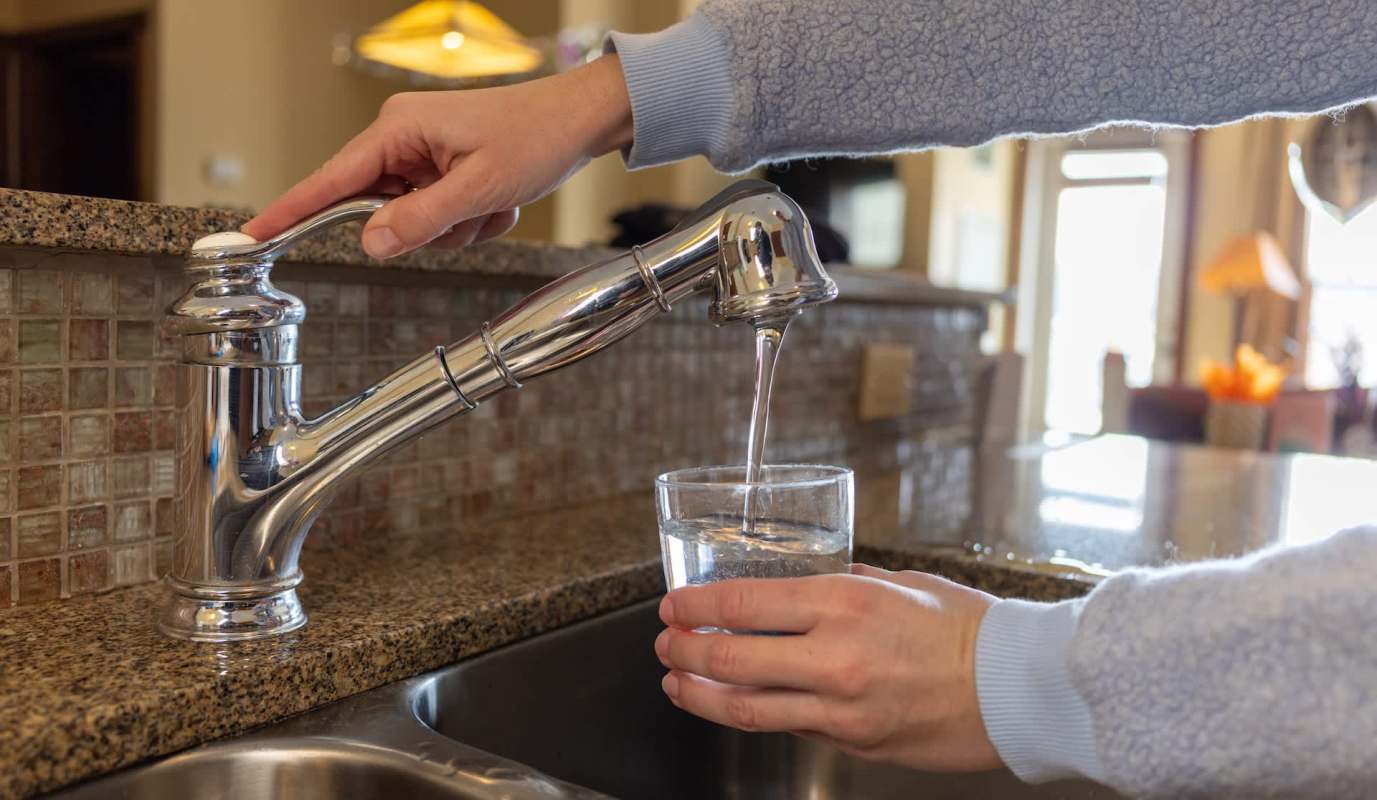
After moving into a new home, one person learned that a utility test found between 10 and 12 parts per billion of lead in their drinking water.
If a filter says it reduces lead, does that mean anything if there's no certification, they asked in Reddit's r/WaterTreatment community.
Here's what to know
"My current filter is NSF/ANSI 42 certified, so it's certified to remove chlorine. It also lists an NSF 372 certification, which, from what I've read, is a lead content certification but not a lead *removal* certification," the original poster explained. "It's unclear to me if that is actually a certification that means my filter is proved to remove lead. The marketing material for the filter claims it filters lead, but the lack of the NSF/ANSI 53 certification makes me think that claim is dubious."
They said they already had an under-sink filter in place to improve chlorine taste but wondered whether the filter was doing anything for the lead.
The homeowner said in a comment that under-sink filters with the relevant lead-related certification could be found for about $50 to $200, while commenters noted that under-sink reverse osmosis systems could be purchased for under $300.
Others added their two cents, with much of the advice centered on matching a certification to the contaminant in question. One wrote that the filters the OP referenced were "highly suspect" because they were "not listed on the NSF website," advising checking NSF's certified product listings instead of relying on marketing language.
TCD Picks » Quince Spotlight
💡These best-sellers from Quince deliver affordable, sustainable luxury for all




Another commenter said they had replaced a lead line at their own home for $4,000 in 2015. "I would not let a water guy test my water," someone else said. "For sure they will determine that you need their equipment. You need to test it with an independent laboratory."
The two comparatively affordable options raised in the thread were an under-sink filter with NSF/ANSI 53 certification for lead reduction and an under-sink reverse osmosis system for someone willing to take on more complexity in exchange for stronger filtration.
The homeowner leaned toward the simpler temporary fix, saying they could wait for the city to replace the service line at no cost. "I figure that's enough lead I should really do something about it but not so much lead I need to go crazy," they wrote in a comment.
Where can I learn more?
Questions about lead in tap water have come up in other places, too. These stories look at residential water testing, elevated lead levels, and public warnings.
• In Chicago, 38,000 home water tests showed many children still faced lead exposure risks.
• In East Moline, Illinois, officials warned some homes and businesses had elevated lead levels.
• In Austin Colony, Texas, lead, iron, and other metals turned up in neighborhood taps.

Get TCD's free newsletters for easy tips, smart advice, and a chance to earn $5,000 toward home upgrades. To see more stories like this one, change your Google preferences here.






