


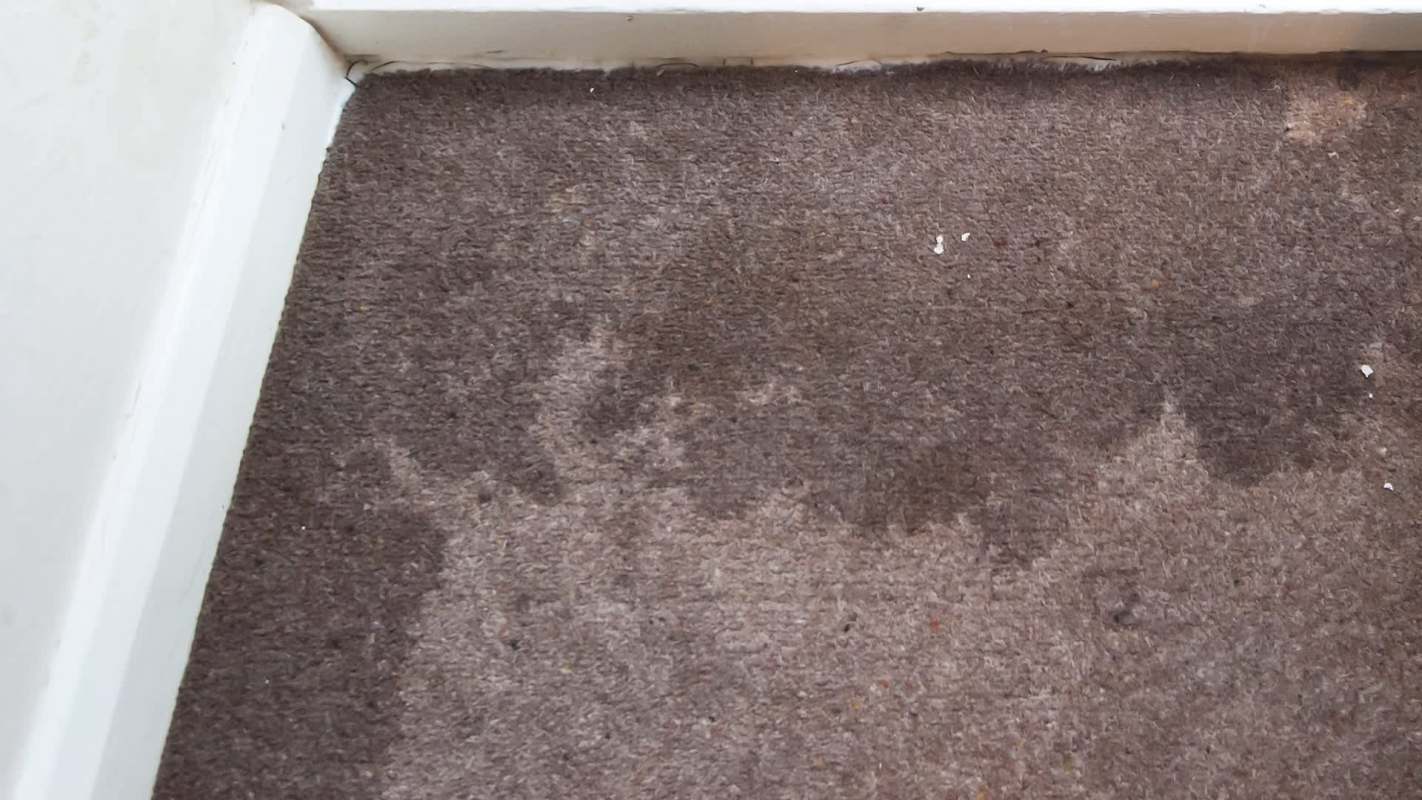
A simple thermostat mix-up turned into a much bigger headache for one homeowner after they discovered a hidden leak had been soaking their carpet for nearly a week.
What happened?
The trouble began when the new owner switched on the AC without realizing the thermostat was set to run the heating system as well.
In a post on Reddit, they said, "The AC and the heaters were fighting each other for 2hrs before we realized."
The soaked carpet did not immediately reveal the real cause.
They first noticed dampness a day or two later and assumed a recent storm was to blame, but a lingering musty smell eventually led them to "the leak on the pipe that leads to the knob that closes it."
The homeowner added, "We've only had this house a few weeks so I do not know anything and would really appreciate any help."
TCD Picks » Quince Spotlight
💡These best-sellers from Quince deliver affordable, sustainable luxury for all




Replies focused on acting fast.
One warned, "Pull the carpet up asap, that pad underneath is basically a sponge at this point."
Why does it matter?
A slow leak may not seem especially serious at first, but several days of trapped moisture can lead to damage well beyond the visibly wet area.
Carpet padding can hold water for long stretches, subfloors can stay damp, and that lingering musty smell can be an early warning sign of mold growth.
The sooner a leak is found and dried out, the better the chances of avoiding larger repair bills, wasted water, damaged flooring, and the need for mold remediation.
Running heating and cooling systems against each other also uses extra electricity for no real benefit, meaning thermostat mistakes can quietly add to utility waste while adding to the stress of an already frustrating repair.
If the carpet can be saved, the savings can be significant as well.
What can I do?
The advice from more experienced homeowners was largely consistent: Stop the leak first, then remove as much moisture as possible.
Suggested tools included towels, fans, a shop vac, a carpet cleaner, and a dehumidifier to help draw water out of the carpet and the padding underneath.
Commenters also stressed lifting the carpet beyond the area that looks wet so air can reach the pad and subfloor.
One commenter wrote, "The musty smell means mold is already starting. Drying it fast is the only way to stop it."
For future prevention, one commenter suggested a leak detector that can send alerts to a phone. A device like that can help catch drips before they turn into soaked flooring, damaged walls, and higher water bills.
If the leak has not truly stopped, or if the smell remains after drying, calling in a professional may be the safest next step.
As one commenter put it, "If it really is the heater, it will continue to leak and it will get worse."
Another commenter wrote, "Super demoralizing and overwhelming at the time but it's totally fixable."
The homeowner's concern, however, was clear: "My dad is warning me of mold and bacteria and illness and property damage and I am pretty nervous now."

Get TCD's free newsletters for easy tips, smart advice, and a chance to earn $5,000 toward home upgrades. To see more stories like this one, change your Google preferences here.






