


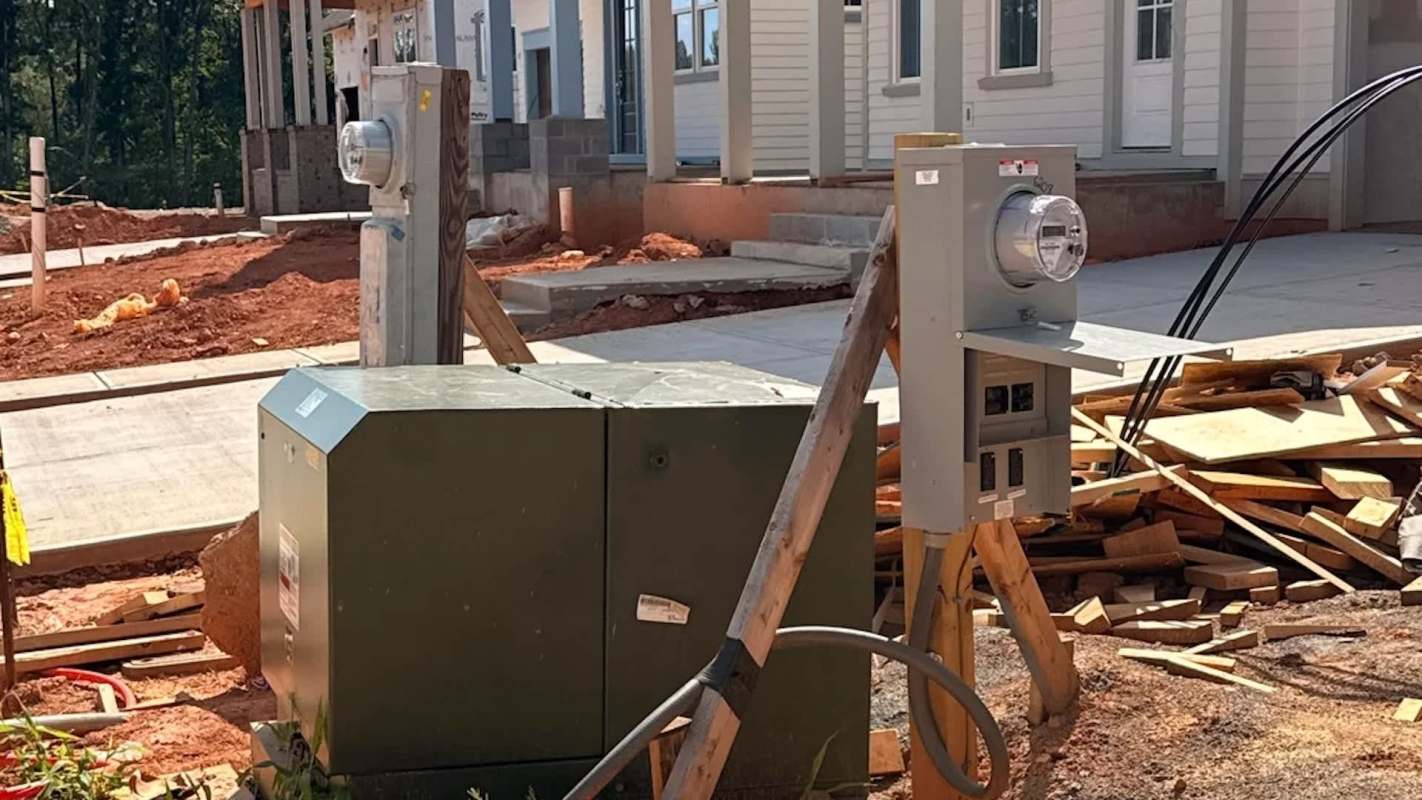
A newly built home would seem like the version of homebuying that would present fewer unknowns.
For one buyer, though, an unexpected issue came up and was giving them second thoughts that they shared on the r/FirstTimeHomeBuyer subreddit. On their property was a permanent utility transformer that they say was never disclosed.
Here's what to know
Because the equipment was, in the buyer's words, "quite large and directly in our walkway area," the concern was not only how it looked but how the space would function. The issue surfaced in a Reddit post.
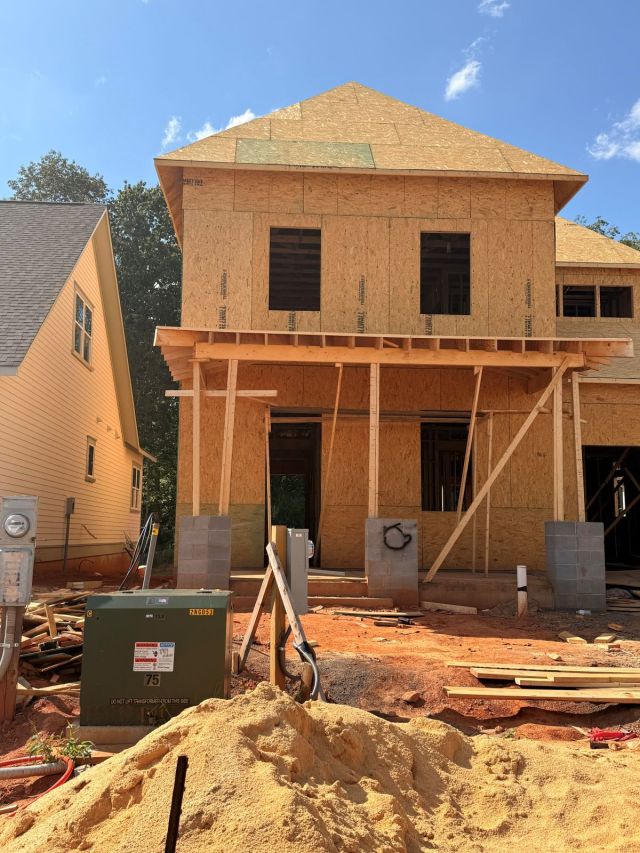
"We are under contract to purchase a new construction home; however, when signing, it was never disclosed to us that a permanent utility transformer would be on our property and was not labeled on the plat," they wrote. "The builders are refusing to contact the energy company and move it."
The dominant reaction was fairly straightforward. Many commenters did not think the transformer would be relocated. One commenter, who said they manage projects involving construction of the equipment, offered their two cents.
"These are placed during joint trench, well before your lot is even platted," they wrote. "It's not gonna get moved. You are not going to get compensated."
TCD Picks » Quince Spotlight
💡These best-sellers from Quince deliver affordable, sustainable luxury for all




Another part of the discussion centered less on moving the equipment and more on whether the buyer should have been told about it before signing.
"When you're buying a home, things like easements need to be disclosed," a commenter opined.
The problem the OP was concerned with goes beyond curb appeal. Something like this can influence resale value, reduce flexibility for landscaping, and make part of a lot feel less useful in day-to-day life.
More background
Another commenter pointed to a common source of confusion in new-build deals: "Pretty much every time I've seen this happen it's because the buyers are relying on a site plan instead of a lot survey or something similar."
When vital features of the home appear only in supporting documents, buyers can overlook details.
Several commenters noted that transformers are routine in neighborhoods with underground power, and more than one person mentioned that shrubs or ornamental grasses can make them less noticeable. Even so, the buyer's core frustration did not change. They thought they were buying one version of the lot and ended up seeing something materially different.
What can be done?
Anyone buying a home should confirm lot-specific details through the final plat, survey, and any recorded easements rather than depending only on a site plan.
Also, ask questions in writing about utility boxes, drainage infrastructure, access easements, and any equipment the power company may install. If there is later a dispute, that paper trail could matter.
For buyers weighing multiple lots in the same development, walking the neighborhood can show you more than what's in the brochure — including which lots have unusual features.
A commenter, who had owned a property with the same feature, concluded, "If you like the house and you like the deal, I wouldn't let it deter me."
Where can I learn more?
Disputes like this one are not unusual, and they can turn into costly surprises after closing.
• One new homeowner said a builder hid a major HOA detail until after the purchase.
• Buyers eyeing cheap acreage often find serious red flags buried in surveys, access, and utilities.
• Another buyer discovered an awful yard feature can create lasting maintenance and resale concerns.

Get TCD's free newsletters for easy tips, smart advice, and a chance to earn $5,000 toward home upgrades. To see more stories like this one, change your Google preferences here.






