


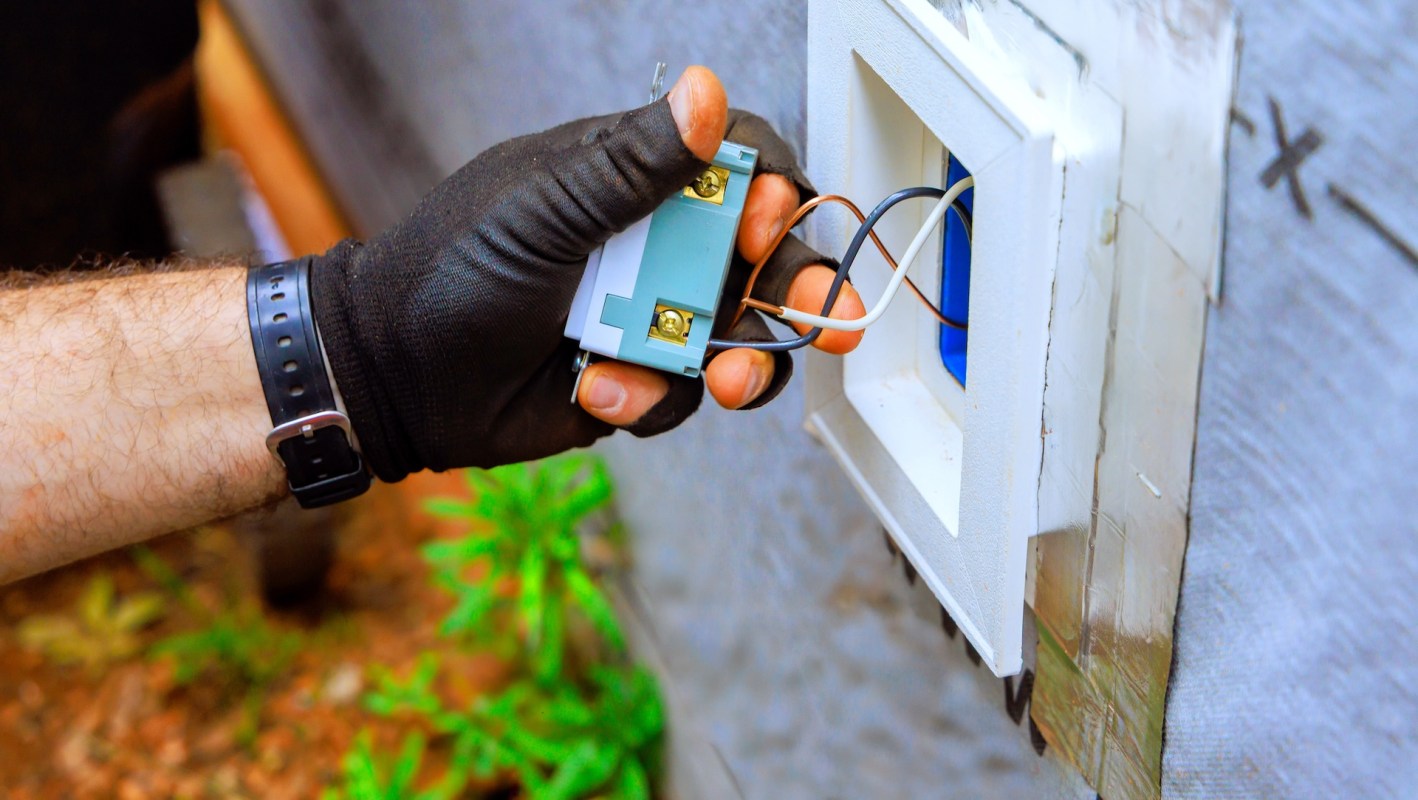
A buyer of a newly constructed home, hoping to keep upgrade costs under control, turned to the r/AskElectricians subreddit for advice after seeing outlet prices that felt shockingly high at $250 for each added basement outlet and $360 for each exterior one.
Fortunately, the thread's guidance was strikingly consistent. They were advised to spend where future work gets messy, and wait where access remains easy.
Here's what to know
The poster in the Reddit thread was trying to decide whether extra outlets were worth paying for before closing or whether the builder's standard plan would be enough for now.
That default plan included one receptacle next to the panel in the unfinished basement, plus one outdoor outlet in the front and one in the back. The buyer said upgrades are "obviously a huge plus, but they definitely add up pretty quick."
Commenters were especially unconcerned about waiting on the basement. Since the space is unfinished and the electrical panel is already there, several people said they could usually add those outlets later for much less.
"You could add 8 in your unfinished basement at a later date for less than $750," one commenter estimated. That's far less than the roughly $2,000 the builder would charge for eight at $250 apiece.
TCD Picks » Quince Spotlight
💡These best-sellers from Quince deliver affordable, sustainable luxury for all




Advice shifted when it came to outlets outside the house. Commenters said those additions become more invasive once construction is complete, so planning ahead matters more.
"Do every extra exterior outlet you'll think you want now," one Reddit user suggested.
More background
Extra outdoor outlets can make it easier to handle holiday lights and other outdoor electrical needs without relying on extension cords.
When a basement is still open and unfinished, homeowners may have an easier time adding receptacles later at a lower cost than the builder is charging during construction. Waiting can also help them place outlets more intentionally once they know how the space will actually be used.
Some commenters suggested a middle-ground solution of roughing in future access instead of paying for fully installed outlets now.
"If you don't know if you'll need it have them rough it in or at least put a pathway and box to add later," someone explained. "Best of both worlds."
One commenter said the job could become more complicated later if fire code requirements mean drywalling the basement ceiling.
What can be done?
The practical distinction was between what is hard to add later and what is easy to add later. Exterior outlets often fall into the first category. Basement outlets, particularly near an accessible electrical panel, often fall into the second.
One compromise commenters suggested was a rough-in. Instead of paying premium prices for finished outlets you may not use right away, buyers can ask about boxes, spare circuits, or a pathway for future wiring. That can preserve flexibility without locking in the highest possible upgrade bill.
A larger electrical panel or extra capacity could also matter if a basement workshop, electric-vehicle charging, or other high-power needs are part of the home's future.
A qualified electrician should handle electrical work.
Where can I learn more?
Outlet decisions often come down to a bigger question of how much electrical capacity your home has and what it would take to add more.
• A cautious homeowner was urged to take the upgrade after breaker-box doubts.
• ConnectDER says its meter collar could prevent costly electrical rewiring for EV chargers and solar.

Get TCD's free newsletters for easy tips, smart advice, and a chance to earn $5,000 toward home upgrades. To see more stories like this one, change your Google preferences here.






