


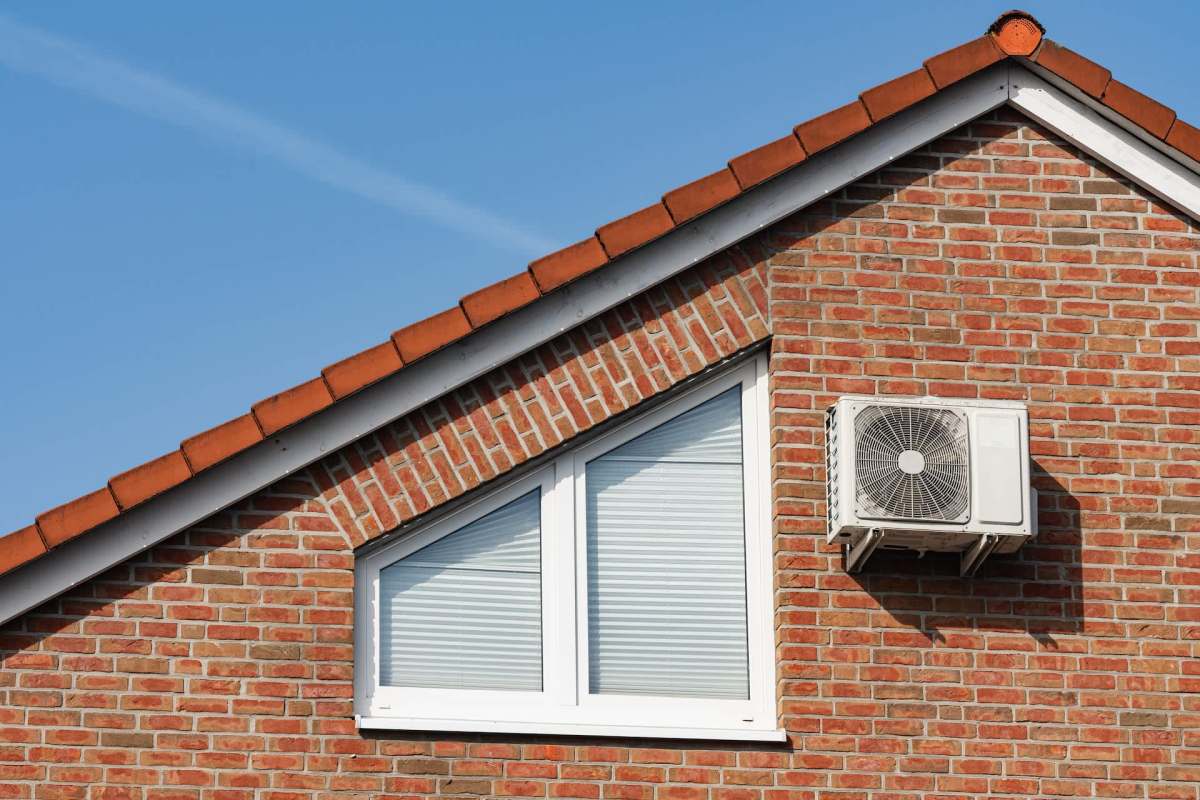
A broken attic air conditioner has one New Hampshire homeowner looking beyond a straightforward replacement.
What's happening?
In a recent post on Reddit, they said their New Hampshire home has three levels, uses forced-hot-water heat, and relies on an attic air handler for ducted cooling upstairs.
The homeowner's main question was whether replacing a failed top-floor AC system could also solve some heating needs.
Because the compressor was "destroyed," the poster said they wanted the replacement to add heat too and asked whether mini-splits installed later in other rooms could share the same outdoor unit.
Rather than planning the whole setup at once, many commenters suggested breaking the decision into parts. Their advice was to replace the current attic ducted system with a cold-climate heat pump now, then later decide whether other rooms would be better served by separate mini-splits.
One popular reply said, "For NH, I'd separate this into two decisions: replacing the existing ducted upstairs system, and whether future room-by-room mini splits should share equipment with it."
Heat pumps are significantly more energy-efficient than traditional HVAC systems because they move heat rather than generate it, and they can provide both heating and cooling from the same equipment. That can translate into lower utility bills over time, especially when homeowners also tap available tax credits and rebates.
Homeowners comparing their options can use EnergySage's Heat Pump Marketplace to compare heat pump options and find potential installation improvements.
Save $10,000 on solar panels without even sharing your phone number Want to go solar but not sure who to trust? EnergySage has your back with free and transparent quotes from fully vetted providers in your area. To get started, just answer a few questions about your home — no phone number required. Within a day or two, EnergySage will email you the best options for your needs, and their expert advisers can help you compare quotes and pick a winner. Solar panels can save you more than $50k over their 25-year lifespan, and EnergySage can help you save as much as $10k on installation. Which begs the question — isn't that worth an email or two? |

For homeowners who only need to heat or cool one particular room, Merino offers single-room, ultra-efficient HVAC systems at a lower price point. Its targeted heating and cooling systems can be installed in under an hour, providing another option for spaces that do not necessarily need a whole-house system.
Why does it matter?
Many homeowners want to electrify gradually rather than tear everything out at once. In colder states, that often means using a heat pump for cooling and shoulder-season heating while keeping an existing boiler or hydronic system as backup during the coldest parts of winter.
Installation quality also came up repeatedly.
As one commenter put it, "Do note the installation is more important than the equipment so choose your contractor carefully."
Even the best system on paper may underperform if sizing, ductwork, insulation, or refrigerant lines are not handled properly.
What can I do?
Several commenters suggested starting with the house itself, not just brand names.
A contractor can look at duct leakage, attic insulation, and how exposed the outdoor equipment would be to winter weather before recommending one ducted cold-climate heat pump, several mini-splits, or a combination of the two.
Controls were another recurring theme. Commenters said manufacturer-branded communicating thermostats usually work better than trying to connect mini-splits to third-party smart thermostats, since those workarounds can reduce some of the efficiency advantages.
Homeowners looking for additional ways to lower their energy bills can also explore solar. EnergySage offers a free solar quotes comparison tool, and with EnergySage's help, the average person can get nearly $10,000 in incentives for solar purchases and installations.
For those still weighing heat pump options, EnergySage's Heat Pump Marketplace can provide another resource for comparing available systems and installation options.

Get TCD's free newsletters for easy tips, smart advice, and a chance to earn $5,000 toward home upgrades. To see more stories like this one, change your Google preferences here.






