


Switching from oil heat to a heat pump can be one of the smartest ways to cut utility bills and protect a home from volatile fuel prices. But as one New England homeowner found, the savings conversation doesn't necessarily end once the new system is installed.
The sticking point is what to do with the old oil boiler if you want to keep it available as a backup — without burning extra fuel all year just to leave it on standby.
Here's what to know
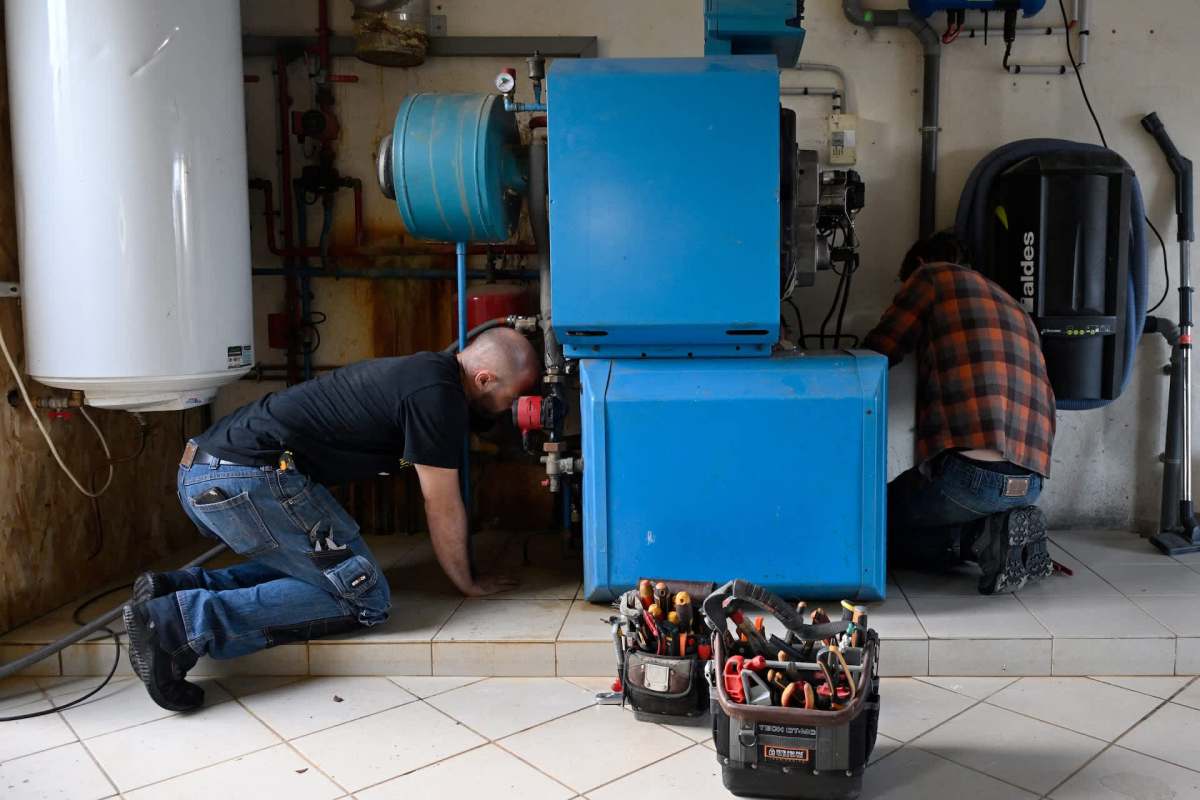
In a Reddit thread, the homeowner's central concern was simple: "what should I do with the old oil-burning furnace boiler and forced hot water baseboard system so it's useable if I need it in the future?" They said a new heat pump was now in place, but they wanted to hold on to the boiler as a fallback in case of a breakdown, a spike in electricity prices, or a stretch of especially cold weather.
That question got trickier because the installer recommended putting antifreeze in the lines and leaving the boiler on at a low temperature so it would occasionally kick in. Many commenters disagreed with keeping the system warm year-round for emergencies, saying the standby cost would add up. One commenter wrote, "Running on minimum setting will be an expensive waste of money."
Several replies said the right move depends largely on where the home's piping runs. If the lines are entirely within conditioned space, antifreeze may not be needed; if they pass through colder parts of the house, freeze protection becomes far more important. As one commenter put it, "Pretty sure most hydronic heating systems sit unused for 6+ months per year and (usually) don't fail catastrophically."
For homeowners trying to sort through decisions like these, Palmetto can help them understand their HVAC options and slash their energy bills with new, efficient HVACs and heat pumps. Palmetto's Comfort Plan network can help you find efficient heating and cooling solutions for your home and connect you with vetted installers.
More background
The thread also surfaced a few competing concerns about leaving an oil system unused. Some commenters said stored fuel can deteriorate, collect water, or lead to leaks and worn seals over time, while others stressed that the bigger risk may be whether any basement piping or runs outside the main heated envelope could freeze with the boiler off.
Maintenance expectations were part of the debate too. After the original poster said, "I'm not very good at scheduled maintenance," some commenters suggested brief monthly exercise runs, while others said a seasonal inspection might be enough.
Save $10,000 on solar panels without even sharing your phone number Want to go solar but not sure who to trust? EnergySage has your back with free and transparent quotes from fully vetted providers in your area. To get started, just answer a few questions about your home — no phone number required. Within a day or two, EnergySage will email you the best options for your needs, and their expert advisers can help you compare quotes and pick a winner. Solar panels can save you more than $50k over their 25-year lifespan, and EnergySage can help you save as much as $10k on installation. Which begs the question — isn't that worth an email or two? |

What can be done?
The most practical takeaway from the discussion was to begin with a professional cleaning and inspection, then base the next step on the home's pipe layout, basement temperatures, and how the backup system would actually be used.
Depending on those factors, homeowners might need antifreeze, a fuel stabilizer, or a low-set backup thermostat — but keeping the boiler hot all year can cut into the savings that made the heat pump appealing to begin with. As one commenter put it, "Turning on the low temp setting on the aquastat is a terrible idea. Just a waste of oil."
Many thermostats allow for a schedule based on the day of the week, so another possible solution for a homeowner like the OP who isn't good at remembering their own maintenance could be to set it to come on at a higher temperature for one hour per week. Running that for Monday morning about an hour before waking up, for instance, could add a little heat to the morning that would not go to waste and yet have the oil system only running for a short while about four times per month.
Palmetto is also worth considering for homeowners looking to take their upgrade strategy further. If you're not ready to spend up front, the Comfort Plan includes $0-down options that can lower heating and cooling costs by up to 50% and includes 12 years of free maintenance.
Homeowners can also pair solar panels with electric appliances, like efficient HVACs, to drive their utility costs even lower. EnergySage makes it easy to find the best solar system and installer for your home and budget, saving you up to $10,000 on installations.

Get TCD's free newsletters for easy tips, smart advice, and a chance to earn $5,000 toward home upgrades. To see more stories like this one, change your Google preferences here.






