


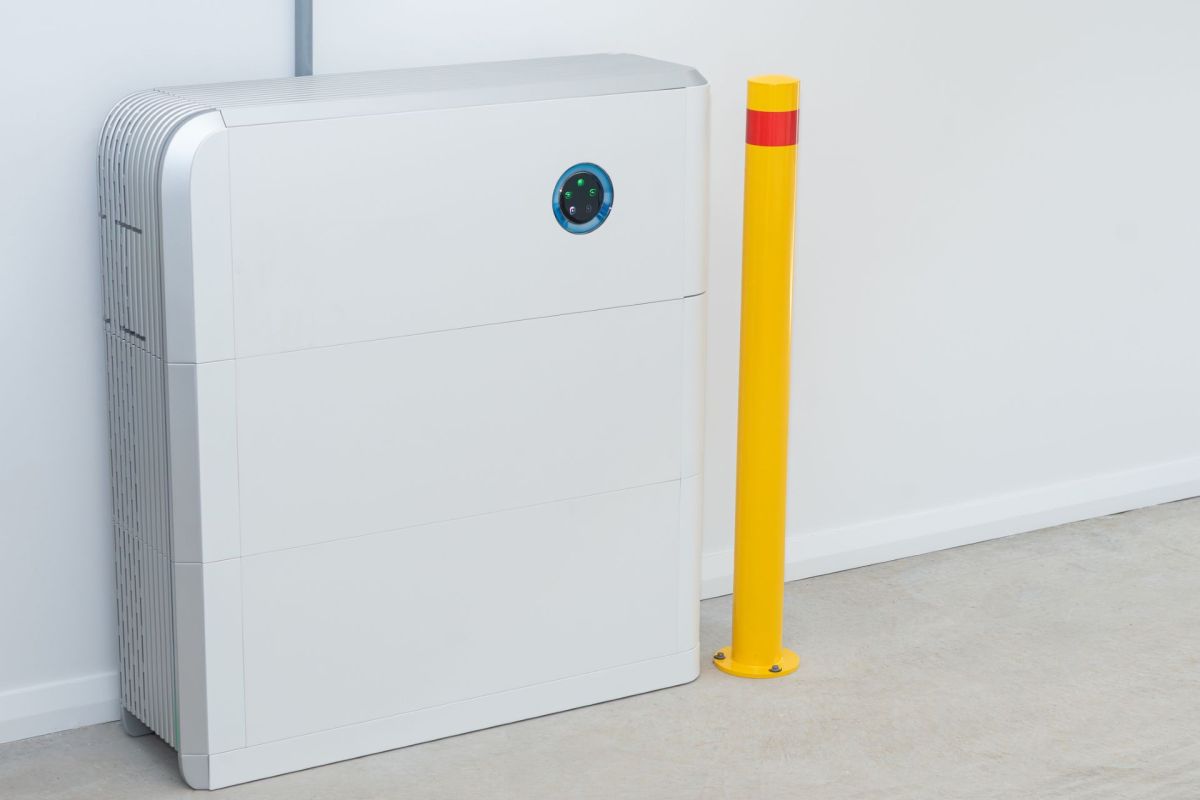
Australia's Clean Energy Council plans to suspend seven low-cost Neovolt home battery models from the federal rebate program if compliance issues are not resolved by Tuesday, a move that could make it harder for households to afford backup power and lower their energy bills.
There is no safety recall behind the proposal, yet it may still limit access to a cheaper path into battery storage.
Here's what to know
If Neovolt does not fix outstanding compliance problems, the Clean Energy Council will suspend seven of its battery models from the federal rebate program, according to Renew Economy. A suspension would end those units' eligibility for the small-scale technology certificates that support the Cheaper Home Batteries scheme.
The concerns do not involve safety or battery performance. The models in question are BW-BAT-9.6P plus BW-BAT-9.6P I, II, III, IV, V, and VI.
"The IEC 62619 certificate that was relied upon to approve models BW-BAT-9.6P I to VI for listing is now invalid," the CEC said, per Renew Economy. "Nameplate labels on products supplied in Australia were found to be inconsistent with those in the testing and certification documentation initially supplied to the CEC."
For homeowners considering battery backup, exploring EnergySage can help you learn more about home battery storage options and compare competitive installation estimates. EnergySage has teamed up with the electrification brand Qmerit to guarantee you get the best price on home battery storage solutions.
Adding battery storage is one of the best ways to protect your home during outages, save on energy costs, and even move closer to going off-grid. Pila offers plug-and-play batteries priced at a fraction of what whole-home backup systems cost.
More background
Renew Economy said a Solar Quotes review noted the batteries are sold at prices nearly one-third lower than better-known batteries with similar capacities. They are made by Bytewatt, a Suzhou-based company that says on its website that it has been making batteries and inverters for over a decade.
Save $10,000 on solar panels without even sharing your phone number Want to go solar but not sure who to trust? EnergySage has your back with free and transparent quotes from fully vetted providers in your area. To get started, just answer a few questions about your home — no phone number required. Within a day or two, EnergySage will email you the best options for your needs, and their expert advisers can help you compare quotes and pick a winner. Solar panels can save you more than $50k over their 25-year lifespan, and EnergySage can help you save as much as $10k on installation. Which begs the question — isn't that worth an email or two? |

The CEC said the matter "is not in any way connected to a product recall or any identified product safety issue," per Renew Economy, while warning that "given the quantity of existing stock in Australia … [it could] have a serious impact for some businesses and consumers should the suspension proceed."
What's being done?
If a suspension takes effect, the manufacturer would then have three months to correct the issues. The affected products could regain STC eligibility if corrective actions are completed.
The CEC told home battery installers, designers, and retailers to stay up to date with CEC-approved products lists and avoid making claims tied to suspended models.
"We are working with the manufacturer to address the matters that have resulted in the intended suspension and will provide updates on this page," the CEC stated.
As the Clean Energy Regulator said, "We monitor STC claims closely and may take regulatory action if false or misleading information is identified."
Where can I learn more?
The proposed Neovolt suspension raises questions about battery affordability, backup power, and trust in products. The storage space is changing, from portable backup systems and emerging chemistries to what happens to batteries after their first lives.
• Bluetti launched next-gen battery tech that can keep home appliances running during outages.
• Used EV batteries could support jobs in recycling and second-life markets.
• Stellantis and Zeta Energy are pursuing next-gen battery chemistry that could lower EV prices.

Get TCD's free newsletters for easy tips, smart advice, and a chance to earn $5,000 toward home upgrades. To see more stories like this one, change your Google preferences here.






