


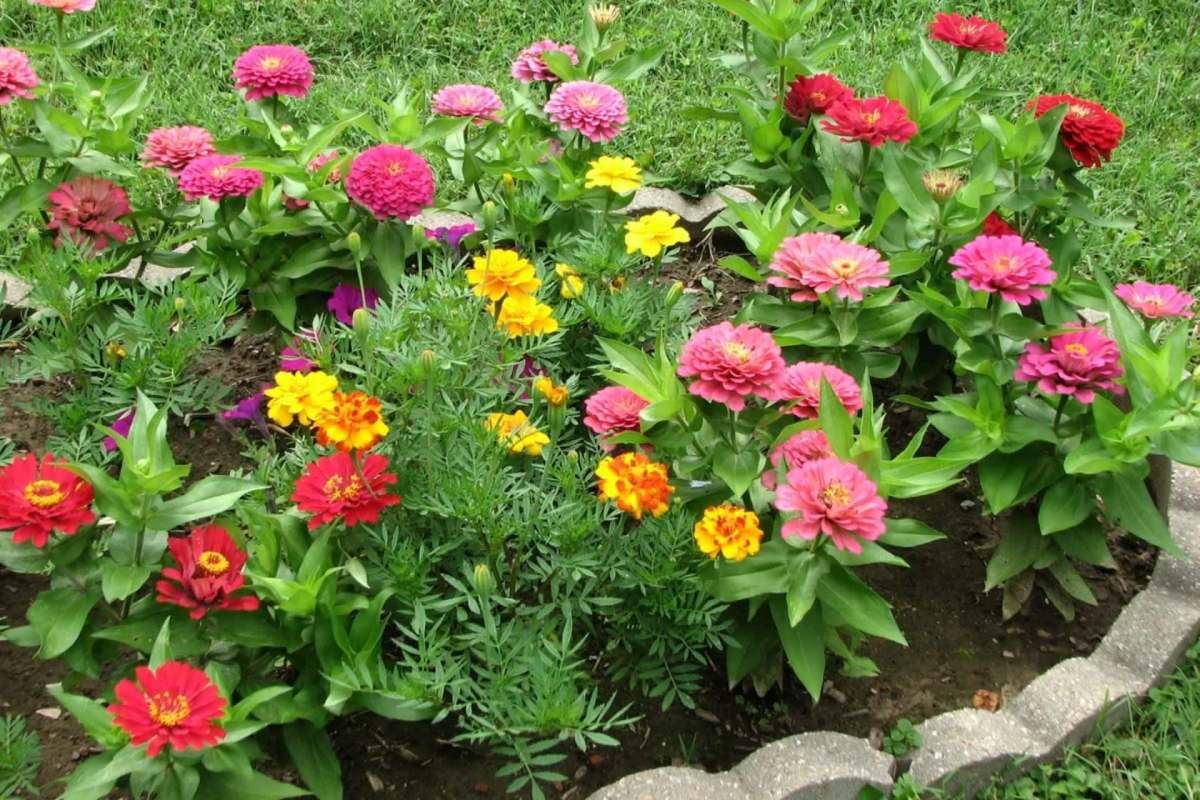
A gardener's midsummer photos are turning heads for more than just the blooms. Alongside a lush July backyard, the original poster shared a simple tip that could help other homeowners save money while creating better habitat for bees and butterflies.
What's happening?
Sharing photos of a July garden on Reddit, the original poster highlighted one budget-friendly benefit of native flowers: "My tip on growing native flowers is you only need to buy one plant because it WILL reseed!"
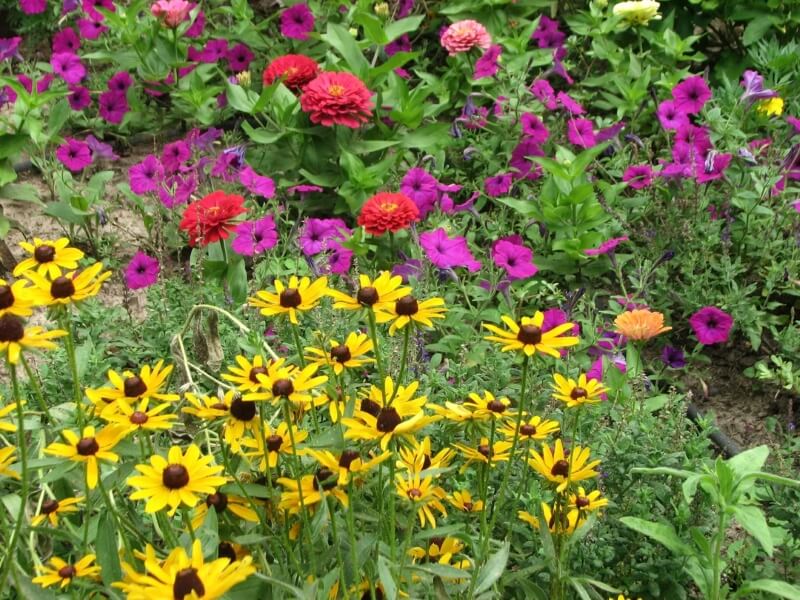
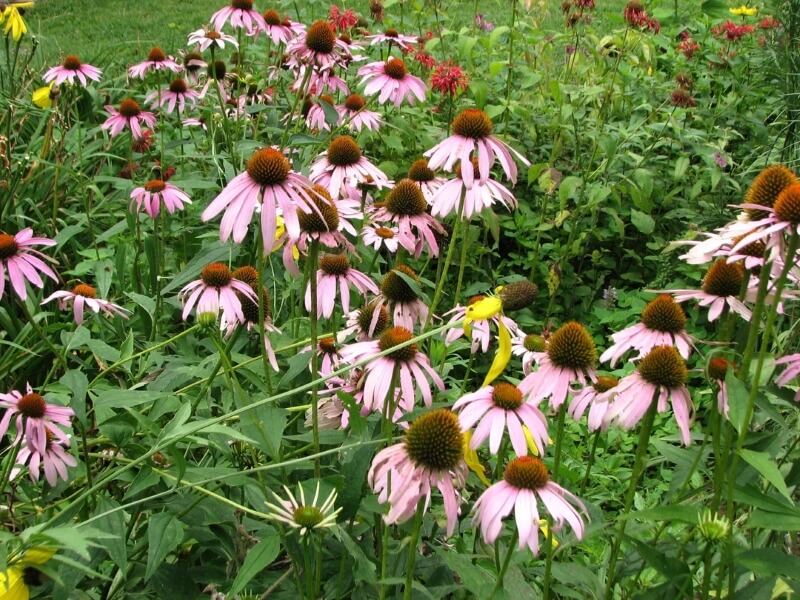
The photos showcase how this colorful array of flowers became landing spots for butterflies, bees, and even a katydid. The original poster also made their priorities clear in the comments, writing, "I do everything for the bees and butterflies!"
The comments became a mix of compliments and helpful gardening advice.
After one gardener recommended adding cosmos with the zinnias "for more vertical height," the original poster agreed: "Dreamland zinnias are the best of all short zinnias in my opinion."
Another commenter called the garden "Heaven for the butterflies!"
TCD Picks » Quince Spotlight
💡These best-sellers from Quince deliver affordable, sustainable luxury for all




Asked how long the garden took to reach that point, the original poster said the pollinator plants were a relatively recent addition to a much older perennial space: "The pollinator plants (liatris, coneflower, ratibida) I planted 3 years ago. The big perennial garden they are part of is 35 years old lol."
Why does it matter?
That one-plant-can-become-many tip points to one of the biggest advantages of native plants: They can multiply and thrive with less intervention than many conventional landscaping choices. Because native species are adapted to local conditions, they often need less water, less fertilizer, and less overall maintenance once established.
That can be especially valuable for homeowners dealing with intense summer weather. The original poster even said that where they live in Missouri, "the heat index this week is predicted to be 105 degrees," while another gardener in the Chicago area mentioned heat and smoke. In conditions like that, a lower-maintenance yard can mean spending less time and money trying to keep thirsty grass alive.
Installing a native-plant lawn — or even partially replacing a traditional lawn — can save money and time on mowing and upkeep while also lowering water bills. There's many low-maintenance lawn replacement options out there, such as native plants, clover, buffalo grass, and xeriscaping.
Even replacing just part of a yard can still bring many of those benefits, especially if the new space supports pollinators such as bees and butterflies, which help gardens and ecosystems thrive. Pollinators are also essential for upholding the world's food supply — one study found that deforestation in the Amazon has caused long-term declines in orchid bee populations, threatening the Brazil nut industry that supports many locals.
What can I do?
You don't need to change up your entire lawn to see a meaningful difference. Starting small can lead to a big impact — a single native perennial that reseeds well can gradually fill in over time, helping stretch a gardening budget while creating a more resilient yard.
Mixing plant heights and bloom times, as gardeners in the thread suggested with coneflowers, liatris, ratibida, cosmos, and zinnias, can keep a garden vibrant while giving pollinators a steady food source throughout the season.
A bigger upgrade is shrinking a lawn and replacing some grass with native plants. Even a partial lawn replacement can reduce maintenance, cut watering needs, and create better habitat.
For more ideas, check out the TCD Guide's page on rewilding your yard and its page on upgrading to a natural lawn.
The comments showed appreciation for native lawns like these, with one expressing that "it looks so lovely, nicely done," and another liking the pictures of unique insects they shared: "I especially love the picture of the katydid on the pink zinnia."

Get TCD's free newsletters for easy tips, smart advice, and a chance to earn $5,000 toward home upgrades. To see more stories like this one, change your Google preferences here.






