


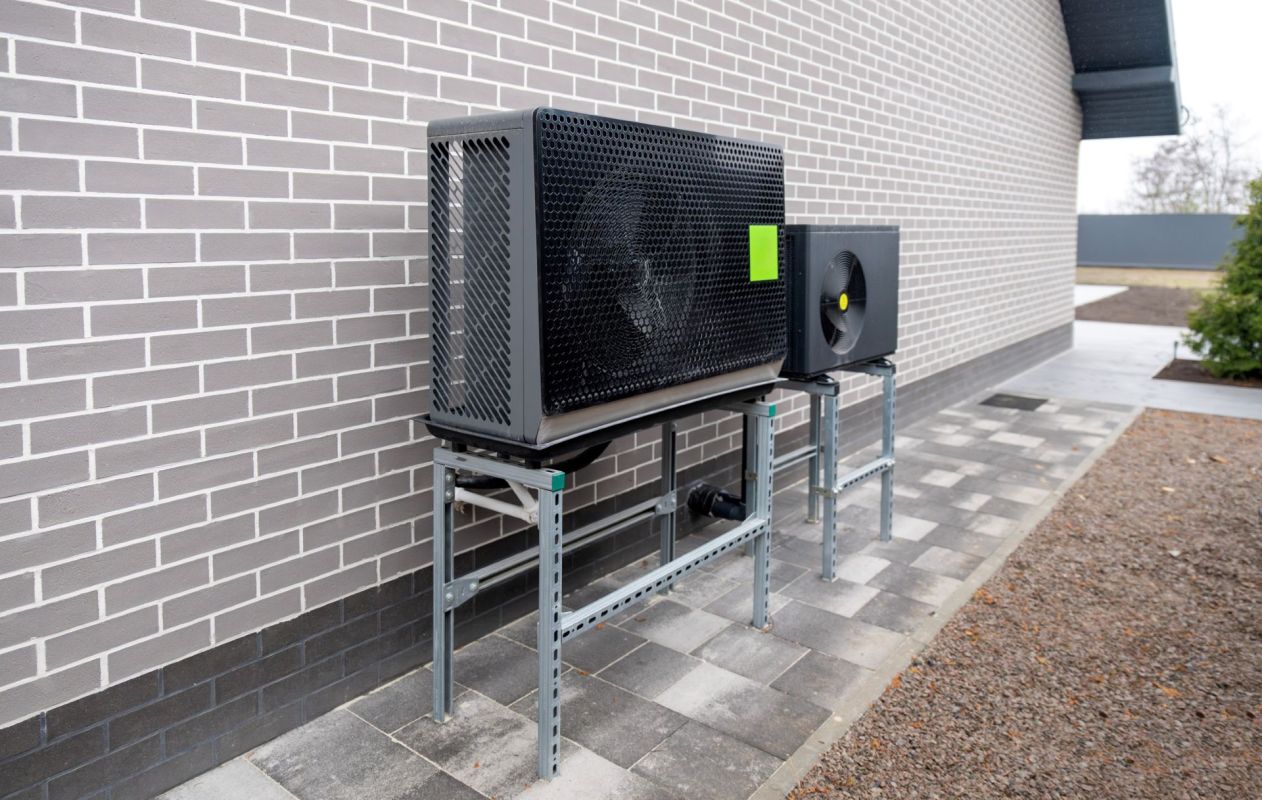
If you're looking for a smarter way to heat and cool your home, monoblock heat pumps are drawing attention for one major reason: They can offer a simpler setup than traditional systems.
But as DIYers are discovering, a simpler installation does not always translate to better performance, especially if your climate or home layout is not the right fit.
Here's what to know
A post in Reddit's r/DIYHeatPumps community captured both the appeal and the uncertainty around these systems. The original poster called monoblock units "a promising advancement for DIY heat pumps," noting that you can "just drill two holes and insert the unit," without needing a separate outdoor unit, while also acknowledging that it is "hard to tell how effective they are."
Replies suggested that easy installation is only part of the equation. Commenters generally said monoblock systems may be a better match for smaller spaces or milder climates, and several warned that buyers may be giving up some cold-weather performance and efficiency compared with a conventional split system.
Palmetto can help you understand your HVAC options, and Palmetto's Comfort Plan network can help you find heating and cooling solutions for your home.
Another commenter tried to clarify the terminology, explaining that "monoblock" can describe both air-to-air and air-to-water products and that, in either case, the refrigerant remains inside a single factory-sealed unit.
More background
If you can switch to a more efficient electric system, you may be able to lower your monthly costs while making your home less exposed to swings in fuel prices.
For many users in the thread, the attraction was not just efficiency but convenience and appearance. Commenters pointed to reduced line work and the possibility of avoiding a separate outdoor unit, which can be especially appealing for homeowners pursuing all-electric homes or those who simply do not want traditional outdoor equipment visible.
Save $10,000 on solar panels without even sharing your phone number Want to go solar but not sure who to trust? EnergySage has your back with free and transparent quotes from fully vetted providers in your area. To get started, just answer a few questions about your home — no phone number required. Within a day or two, EnergySage will email you the best options for your needs, and their expert advisers can help you compare quotes and pick a winner. Solar panels can save you more than $50k over their 25-year lifespan, and EnergySage can help you save as much as $10k on installation. Which begs the question — isn't that worth an email or two? |

The same discussion also brought up drawbacks. Several DIYers said these systems may not be ideal in very cold climates, and another commenter questioned how easy it would be to clean debris from coils or intake areas if those parts get blocked.
There were also signs of growing interest elsewhere: One commenter said the units appear to be gaining traction in the U.K., while others stressed that even products that sound simple can turn in poor results if the installation is done badly.
What can be done?
If you're considering a monoblock heat pump, you can compare it with a standard split system before deciding. Key factors include your local climate, your home's layout, the unit's efficiency rating, any backup heat requirements, and whether your electrical panel can handle the load.
That kind of comparison can help you avoid choosing a system that looks convenient but costs more to run or underperforms when temperatures shift. Palmetto can be especially helpful here if you want a clearer picture of what fits your home best.
If you're not ready to spend up front, Palmetto's Comfort Plans are another option.
You can also drive those costs even lower by pairing solar panels with electric appliances such as efficient HVACs. EnergySage can help you compare solar options for your home.
One commenter wrote, "Yes they work. No not loud. Not for super cold regions. Fantastic for moderate areas."
Another added, "Lots of these being installed in the U.K. It's easy to do it wrong and get poor performance."
Where can I learn more?
Heat pump results often come down to the details: installation quality, local climate, and what a homeowner expects from the system. The articles below add context on U.K. adoption, cold-weather performance, and the misconceptions that still shape decisions between monoblock and split setups.
• In the U.K., one homeowner found the switch gets messy when chasing 400% efficient heating.
• HVAC technicians keep saying unfair negative scrutiny still clouds how modern heat pumps actually perform.
• Across the HVAC industry, "they didn't function well" remains an outdated complaint from older systems.
• In Massachusetts, owners asked how they are keeping up when deep winter temperatures hit.

Get TCD's free newsletters for easy tips, smart advice, and a chance to earn $5,000 toward home upgrades. To see more stories like this one, change your Google preferences here.






