


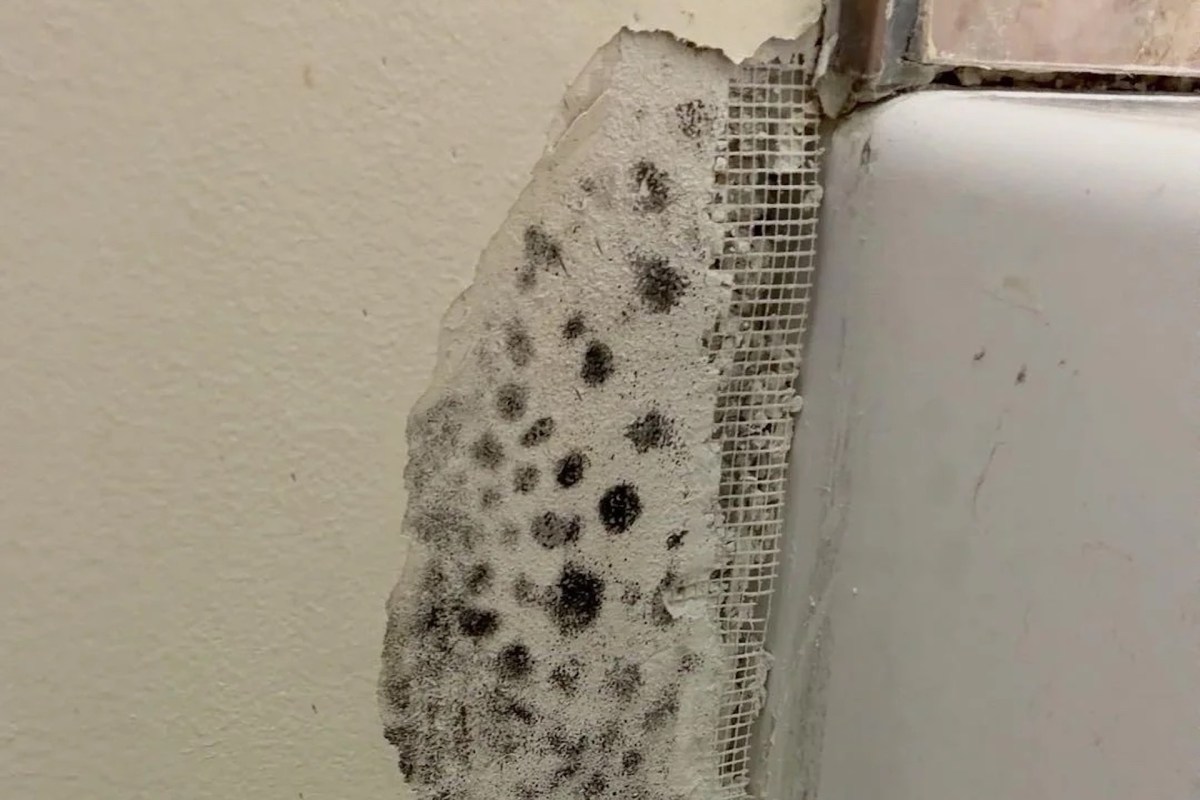
After getting the keys, a first-time homeowner learned that moldy bathroom caulk was hiding a deeper problem behind the wall.
After "pieces of the surrounding wall fell off" in the home's only bathroom, the original poster wrote, "I have no clue what the next steps are and quite frankly I'm panicking."
Here's what to know
The account appeared in r/HomeMaintenance, where the homeowner said removing mold-covered caulk crumbled the wall and exposed mold.
They said the situation felt especially urgent because they had asthma and were immunocompromised and their fiancé had a lung condition.
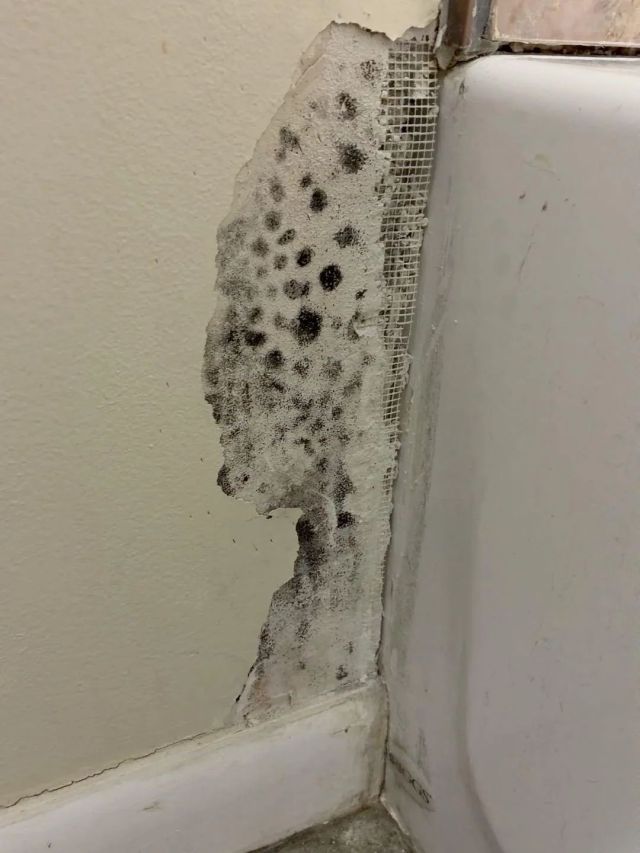
Reddit users focused on moisture as the likely underlying issue.
"That's not just surface mold; you've got water damage behind the drywall eating its way through," one commenter wrote.
TCD Picks » Quince Spotlight
💡These best-sellers from Quince deliver affordable, sustainable luxury for all




Another wrote, "'Toxic black mold' is a specific type of mold, not just all mold that is black in color."
Panic can push people to spend far more than necessary, while leaving a leak or damaged drywall unaddressed can allow the problem to get worse.
The homeowner said that after they peeled back more of the wall, the damage appeared too extensive to manage alone, so they contacted a commercial mold inspection and remediation company.
More background
Replacing a bit of caulk may be inexpensive, but if moisture has been seeping into drywall for months, the repair bill can rise.
Examples in the thread showed costs can vary. One commenter said a ceiling mold issue was "fixed with a new attic vent and about $100 of drywall supplies."
Another said they paid $10,000 after multiple companies indicated the problem could be handled as a DIY repair.
Health concerns can make choices complicated. Though not all mold is the same, commenters said the growths pointed to a moisture problem. For the OP, that made quick action feel especially important.
What can be done?
If you're in a similar situation, figure out why the area is wet.
If water is getting in through caulk, splashing, a plumbing issue, or poor ventilation, addressing that problem first can prevent repeat damage and reduce repair costs.
A commenter who identified themselves as a restoration contractor urged the homeowner not to keep tearing down the wall without a plan. They recommended identifying and fixing the moisture source, determining how far the damage extended, removing materials that could not be saved, cleaning the remaining structure, and confirming the area was dry before rebuilding.
You can also ask any contractor to explain what caused moisture buildup, what needs to be removed, whether containment is necessary, and how a wall will be confirmed to be dry before it is closed off.
"Nobody on Reddit can determine the full extent from the photo, but you're at the point where evaluating the assembly rather than continuing cosmetic repairs makes sense," the contractor said.
Where can I learn more?
These articles dig into the kinds of mold and moisture issues that often show up in bathrooms and behind walls.
• Homeowners dealing with shower grime found a pain-free way to loosen stubborn mold.
• At Nova Cleaners, staff warned that a commonly used product can make bathroom mold worse.
• A microbiologist showed why the cleaning hack many people swear by may not kill mold.
• One homeowner turned to a non-toxic bathroom cleaning routine that cut through mold and mildew.

Get TCD's free newsletters for easy tips, smart advice, and a chance to earn $5,000 toward home upgrades. To see more stories like this one, change your Google preferences here.






