


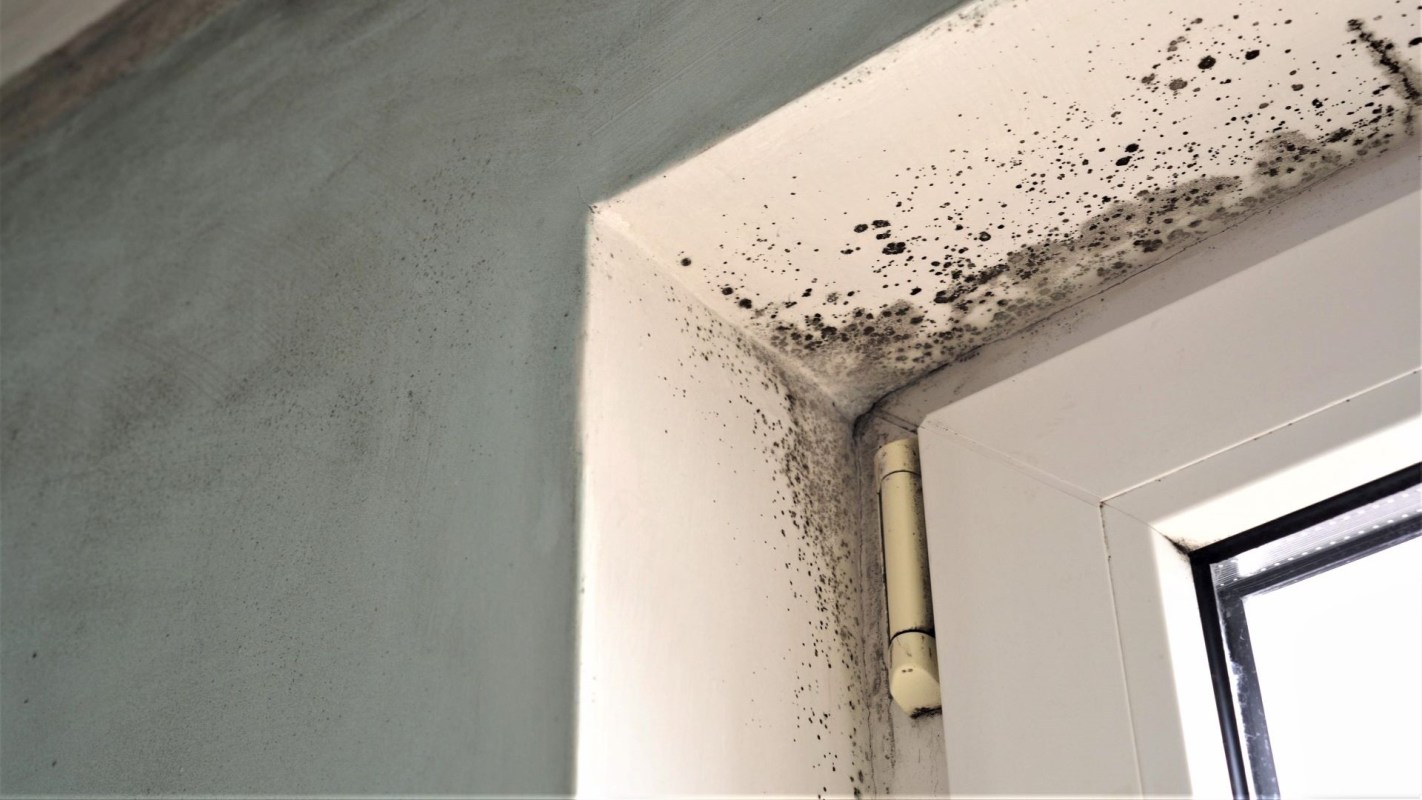
After a plumber linked a small mold spot on a dining room ceiling to a failed toilet wax seal upstairs, one homeowner was handed a proposed $7,200 bill for cleanup alone.
Because the estimate called for extensive demolition, the quote set off a debate about if mold remediation is warranted and when the scope starts to look excessive.
Here's what to know
The homeowner described the situation in a post on Reddit's r/HomeImprovement thread, saying a roughly 12-inch mold spot appeared on the dining room ceiling beneath the upstairs primary bathroom. An exploratory hole seemed dry at first, but it began dripping after a test flush, and a plumber later confirmed the toilet's wax seal had failed.
Their first bid came in at $7,200 for demolition and remediation only, with rebuilding not included. That proposal called for removing about 120 square feet of ceiling and roughly 60 square feet of bathroom tile, mortar bed, and subfloor, plus containment, HEPA cleaning, and $900 in asbestos testing for a house built in 1998 or 1999.
The second company outlined a much smaller starting scope, saying it could begin through the ceiling opening and enlarge the job only if more damage was found. That same company also pointed to mold on closet doors, dresser backs, and attic plywood, and recommended fogging the upstairs, attic, and basement.
One commenter wrote: "Talk to your insurance company and ask for an inspection. … Ask someone else besides the remediation company. You might not need it."
TCD Picks » Quince Spotlight
💡These best-sellers from Quince deliver affordable, sustainable luxury for all




More background
People in the thread acknowledged that a leak involving the waste side of a toilet can be classified as Category 3, which involves contaminated water that can pose a significant health risk. But they also said that a label alone does not automatically mean an entire bathroom floor or full dining room ceiling must be removed if the affected area is limited.
Several commenters treated the wax-ring leak as separate from the home's other moisture issues. In that view, mold on closet doors or attic plywood may reflect poor airflow, condensation, or weak ventilation, so fogging may not solve much if the moisture source is still there.
Another commenter focused on the wording of the narrower estimate, saying the phrase "expand only if they find more once inside" can be risky unless the agreement clearly spells out what counts as "more" and how much any added work would cost.
What can be done?
Suggestions in the thread included getting a third opinion and, if insurance is part of the claim, asking an adjuster or plumber to inspect the damage too.
Commenters also said it helps to have a written scope tied to measurable findings, such as moisture readings, visible spread, or subfloor deterioration. That would make any added work depend on specific triggers instead of a vague on-site call made after the ceiling has already been opened.
They also noted that the immediate leak repair can be handled separately from unrelated moisture problems elsewhere in the home. Fixing the toilet leak is one issue; improving ventilation in closets or the attic is another.
"That's a lot for a toilet leak that isn't even fixing the problems," one person said.
Where can I learn more?
A seemingly simple repair can quickly spiral out of control without written agreements in place, but sometimes the fix can be handled without professional help.
• A plumber showed homeowners a DIY toilet fix that can stop leaks early.
• A plumber used a simple toilet dye test to catch leaks.
• A homeowner's plan for artificial turf beneath their deck raised mold concerns online.
• A tenant disputed an astronomical water bill after a landlord left a leak unrepaired.

Get TCD's free newsletters for easy tips, smart advice, and a chance to earn $5,000 toward home upgrades. To see more stories like this one, change your Google preferences here.






