


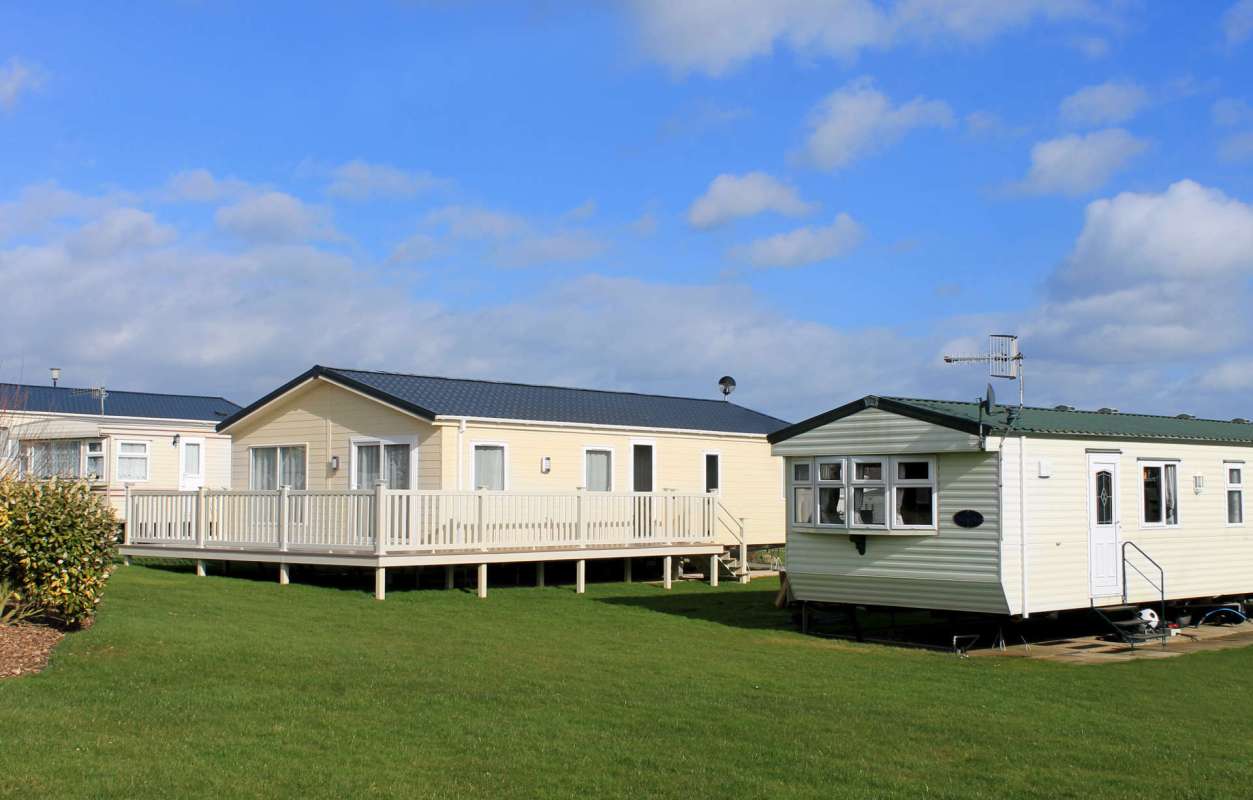
A grassroots campaign to slow rent increases in Maine's mobile home parks is gaining traction as more towns adopt emergency limits and consider longer-term protections.
For many residents, especially older adults and people on fixed incomes, the fight is about remaining housed in one of the state's few affordable options.
What's happening?
According to Spectrum News, Joe Hupperich of the Maine Labor Climate Council has been going door to door in Augusta to gather signatures for a citizens' initiative focused on setting local standards for mobile home park rents.
As communities seek ways to rein in sudden, steep rent jumps, Hupperich said that the council has supported residents in more than 25 towns across Maine.
In Sanford, Auburn, Saco, Arundel, and Augusta, local officials have adopted moratoriums that stop mobile home park rent increases, and those temporary measures are often followed by permanent ordinances.
Resident testimony came before Kittery's Town Council voted unanimously on July 27 to put a moratorium in place.
TCD Picks » Quince Spotlight
💡These best-sellers from Quince deliver affordable, sustainable luxury for all




At that hearing, Cynthia Lareau, who lives at Kittery's Yankee Commons Mobile Home Park, told officials, "It's over 55, it's somewhat of a retirement community."
Many local ordinances allow rent increases only once a year, with hikes often tied to the Consumer Price Index-Northeast plus 1%.
Why does it matter?
Hupperich said Maine has roughly 425 mobile home parks, and about 20% to 25% of them are owned by out-of-state investment companies.
He said that even a smaller share of steep rent hikes can affect the broader market.
As Hupperich put it, "If 25% of rental units in any housing market go up, that's going to drive the cost of rents for the other 75% as well."
The pressure can be especially severe for residents on fixed incomes, who may have few alternatives if rents suddenly spike. In mobile home parks, moving is often expensive or unrealistic, leaving tenants especially vulnerable when lot fees rise.
The issue also fits into the broader affordability problems facing renters nationwide. Across the country, some landlords and property managers have been noted for preventing renters from adopting money-saving lifestyle changes, including gardening and hanging clotheslines to dry their laundry.
When housing costs are already rising, restrictions like those can make it even harder for households to cut bills and remain financially stable.
What's being done?
Maine communities are responding with local policy tools, including temporary moratoriums and permanent rent-stabilization rules. The Maine Labor Climate Council is helping residents organize, gather signatures, and push municipal leaders to act.
Hupperich said, "Clearly housing issues are workers' issues, just as much as any other issues."
Lareau said, "To make money off the back of the infirm, the unwell, the elderly, is a travesty."

Get TCD's free newsletters for easy tips, smart advice, and a chance to earn $5,000 toward home upgrades. To see more stories like this one, change your Google preferences here.






