


Online commenters flagged the electric furnace in a 1996 single-wide as a possible reason for its owner's high winter energy bills. The homeowner turned to the community for advice on reducing bills by adding insulation.
Here's what to know
The proposed project involved drilling holes in the walls and blowing in more insulation, but the homeowner wasn't sure it would be worthwhile, according to their post in Reddit's r/HomeImprovement community. They had already patched holes in the protective belly wrap beneath the home and sealed drafty windows with weather tape.
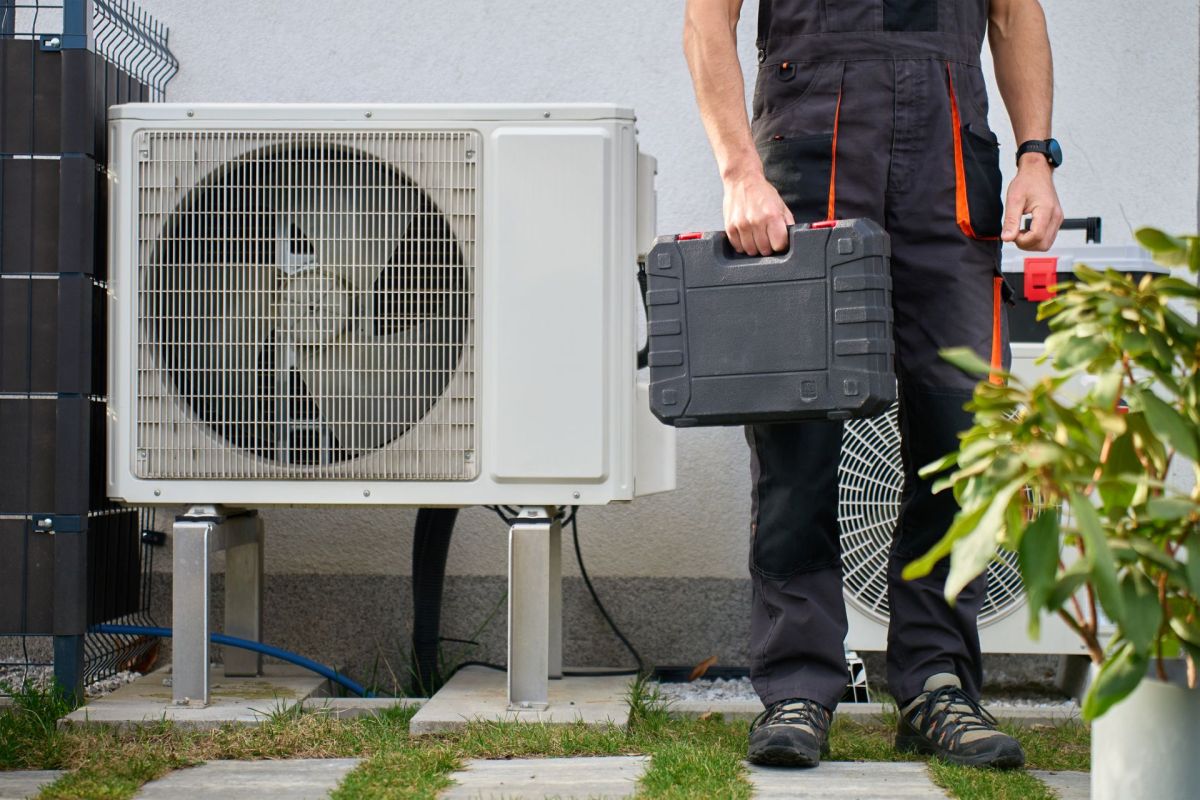
Commenters recommended exploring a heat pump as an alternative because they suspected the home's electric furnace used resistance heating. The homeowner had identified their heating and cooling equipment as an electric furnace and a Trane outdoor air-conditioning unit.
Upgrading heating and cooling equipment is one of the best ways to save money on utility bills and protect against rising energy prices.
For homeowners weighing that decision, Palmetto can explain HVAC options and how newer, more efficient HVAC systems and heat pumps can reduce energy bills. Its Comfort Plan network helps readers find efficient heating and cooling solutions for their homes and connects them with vetted installers.
More background
Some commenters' doubts about the benefit of additional insulation were based on an incorrect number: The homeowner's initial post listed the existing insulation as R-30. The homeowner later clarified that they meant R-13.
"I remodeled my kitchen and when I replaced the drywall in there, the existing insulation was poorly done. There were still uninsulated gaps whereas it should have been completely packed," the original poster wrote.
The discussion left one concern unanswered: whether foam board behind the home's 1990s-style vertical aluminum siding could trap moisture. The homeowner had asked about sliding the insulation behind that siding.
Crushed by your bills? See instant solar savings from vetted installers in just a few clicks With energy prices through the roof, there's never been a better time to go solar — and EasyHome can help you find the best prices from the best installers in your area. EasyHome takes the guesswork and headaches out of energy upgrades by showing you estimated savings from a network of vetted local partners. To get started, just enter your ZIP and share a few details about your home — seeing your estimate is really that easy. |

What can be done?
Without cold outdoor temperatures, one commenter cautioned that thermal imaging could make gaps in the insulation hard to detect. They recommended locating those gaps before spending money on more insulation, suggesting a borrowed or rented thermal imaging tool, possibly from a library.
If the home has single-pane windows, another commenter recommended shrink-plastic coverings.
For homeowners considering equipment upgrades but not ready to pay up front, Palmetto's Comfort Plan offers $0-down options that can cut heating and cooling costs by up to 50%. Palmetto Comfort Plans also include 12 years of free maintenance.
Where can I learn more?
Other renters and homeowners have raised similar questions about heating upgrades and insulation amid high winter bills. These stories follow renters and homeowners dealing with costly electric heat, furnace replacement, oil heating, and insulation decisions.
• A renter faced $500 winter electric bills in a home measuring just 325 square feet.
• Commenters recommended replacing an aging electric furnace with a heat pump, even in deep cold.
• A Massachusetts resident weighed heat pumps against furnaces, while commenters emphasized the importance of insulation.
• A homeowner seeking lower oil heating costs received advice to warm the bed instead.
• Homeowners said expensive insulation upgrades eventually paid for themselves many times over.

Get TCD's free newsletters for easy tips, smart advice, and a chance to earn $5,000 toward home upgrades. To see more stories like this one, change your Google preferences here.






