


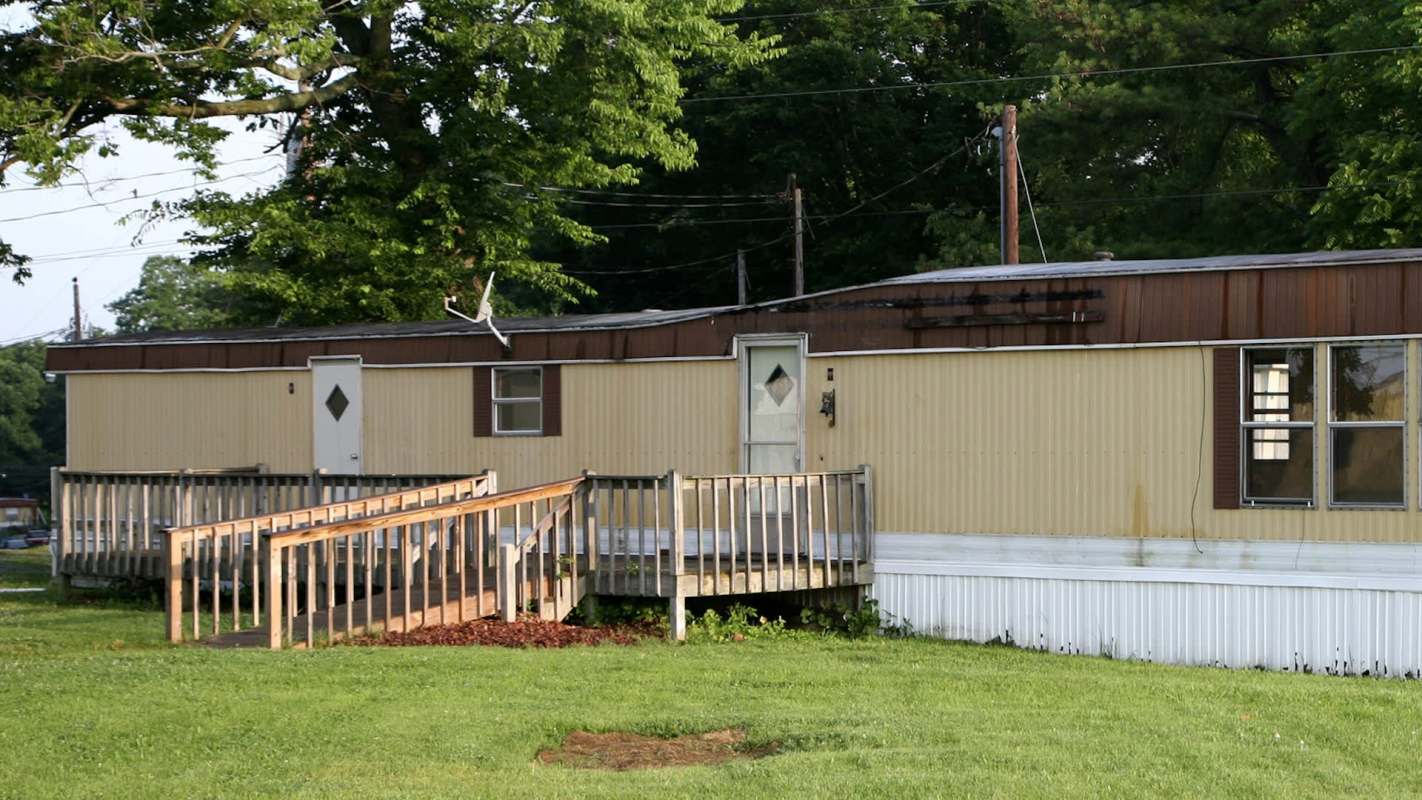
After moving into a mobile home in Missouri, a renter said they were "horrified to see" that their first electric bill came in at $300, on top of $1,150 in rent.
The renter then took to Reddit's r/Frugal forum to ask, "Are we just going to have to freeze this winter?" The online discussion that followed quickly became a warning about how expensive drafty homes can get when temperatures swing.
Here's what to know
Writing in the Reddit thread, the original poster explained that "I can't afford this and I don't know how to fix the problem," adding, "I'm worried about the winter too… Any and all advice is much appreciated."
The OP also explained that they need to keep the mobile home cool for health reasons.
Several people in the replies pointed to the structure itself as the likely reason the bill was so high. One commenter described a "typical mobile home" as having thin insulation, inefficient windows, and ducts underneath the unit that can lose heat, making them especially expensive during the wintertime.
Another user wrote, "Mobile homes are terribly insulated even when brand new, and age is not kind to them," adding, "You're also probably leaking air like a sieve."
TCD Picks » Quince Spotlight
💡These best-sellers from Quince deliver affordable, sustainable luxury for all




More background
The exchange highlighted that an expensive rent payment does not necessarily come with an energy-efficient home. The renter added that they live in a small town and had only "a handful of homes available," which left little chance of finding an affordable but better-insulated place.
One commenter said the post brought back memories of living in a Missouri mobile home, where their first partial electric bill hit $330. They compared the experience to "heating and cooling a tin can," an anecdote that reflects the long-standing reputation trailers have for poor efficiency.
What can be done?
A lot of the advice focused on inexpensive ways to track down drafts and slow them. One commenter recommended spending $10 to $20 on an infrared thermometer to find hotter or colder wall sections, then sealing leaks and hanging blankets over the worst spots.
Other users offered basic materials and simple tests. One commenter suggested clear silicone caulk, inexpensive insulation inserts for outlets on exterior walls, and using a lit stick of incense near doors and windows to spot moving air.
Some replies recommended reducing the amount of space being heated or cooled instead of trying to manage the entire home at once.

Get TCD's free newsletters for easy tips, smart advice, and a chance to earn $5,000 toward home upgrades. To see more stories like this one, change your Google preferences here.






