


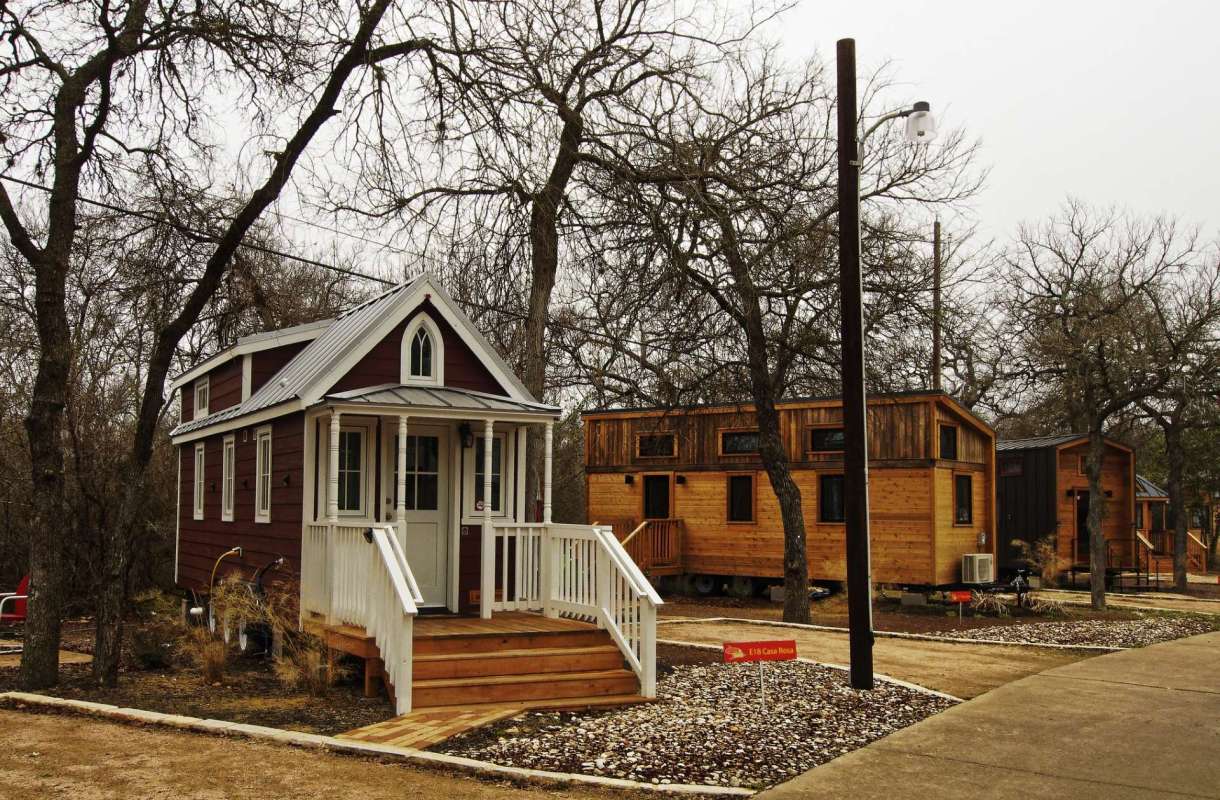
A Missouri resident exploring a tiny, off-grid homestead found that the biggest challenge may not be the rural land itself, but the local rules that come with it.
They turned to Reddit for advice. There, county planning and zoning rules — and even the value of a badly damaged but legally permitted residence — emerged as major factors in whether the plan could realistically work.
Here's what to know
"I'm considering buying property and setting up a little off-grid 'homestead' in my current state (Missouri)," they wrote in a Reddit post in the r/TinyHouses forum.
The poster said Missouri stood out because it would keep them near family and because the state has "reasonable property costs." But they also said their research on regulations and restrictions had turned up "mixed information."
"So I was hoping some here might've settled down in the area, and could share warnings, or insight," they explained. "I do know I want to go fully off-grid with a well, septic, etc."
Replies emphasized that no single statewide answer exists. As one commenter wrote, "Laws regarding zoning and land use are made and enforced at the local level."
TCD Picks » Quince Spotlight
💡These best-sellers from Quince deliver affordable, sustainable luxury for all




Others pushed that point further for Missouri in particular, saying the issue varies from county to county. One commenter said buyers need to find out first whether a county has planning and zoning, because that can determine whether a project mainly involves on-site sewer review or a much broader permit process.
More background
The thread also suggested that undeveloped land may not be the easiest path for an off-grid buyer.
Rather than starting with raw acreage, one commenter suggested looking for a property with "a badly damaged but legally permitted residence with water rights and a working well," arguing that building on undeveloped land "draws more attention from regulators."
That kind of property may already solve part of the infrastructure problem. The original poster responded, "That makes a lot of sense, especially for a well alone," adding that they had previously overlooked those properties because they did not want to deal with clearing them.
The discussion also included a warning about how rules get applied in practice, with one commenter saying that "most local zoning enforcement doesn't actually know what their laws say."
What can be done?
The most direct advice was to speak with local officials before buying. One commenter urged the poster to contact the local planning and zoning office, "ideally in person and have a conversation with them about what is and isn't allowed."
For a buyer planning a well, septic, solar, and propane setup, the main questions include whether a county has planning and zoning, what approvals a tiny home would need, and how an onsite sewer system would be handled. Those details can influence the total project cost as much as the land price.
The thread appeared to change the poster's expectations. By the end, they wrote: "I'm quickly learning that things are much more of a PITA than I had thought. For example I wanted to buy a piece of undeveloped remote property and be completely off grid. Septic, well, solar, propane. I wonder if there are other places in the US that are more wide open."
Where can I learn more?
For a clearer picture of what off-grid living can involve in practice, the articles below cover everything from tiny-home builds to water and power constraints.
• In a tiny-home community, one resident built their $3,000 DIY tiny house for self-sufficient living.
• An off-grid cabin owner with no water connection had to manage daily hauling and storage.
• In the Rockies, a family showed how 1,000 watts of solar powered their off-grid home.

Get TCD's free newsletters for easy tips, smart advice, and a chance to earn $5,000 toward home upgrades. To see more stories like this one, change your Google preferences here.






