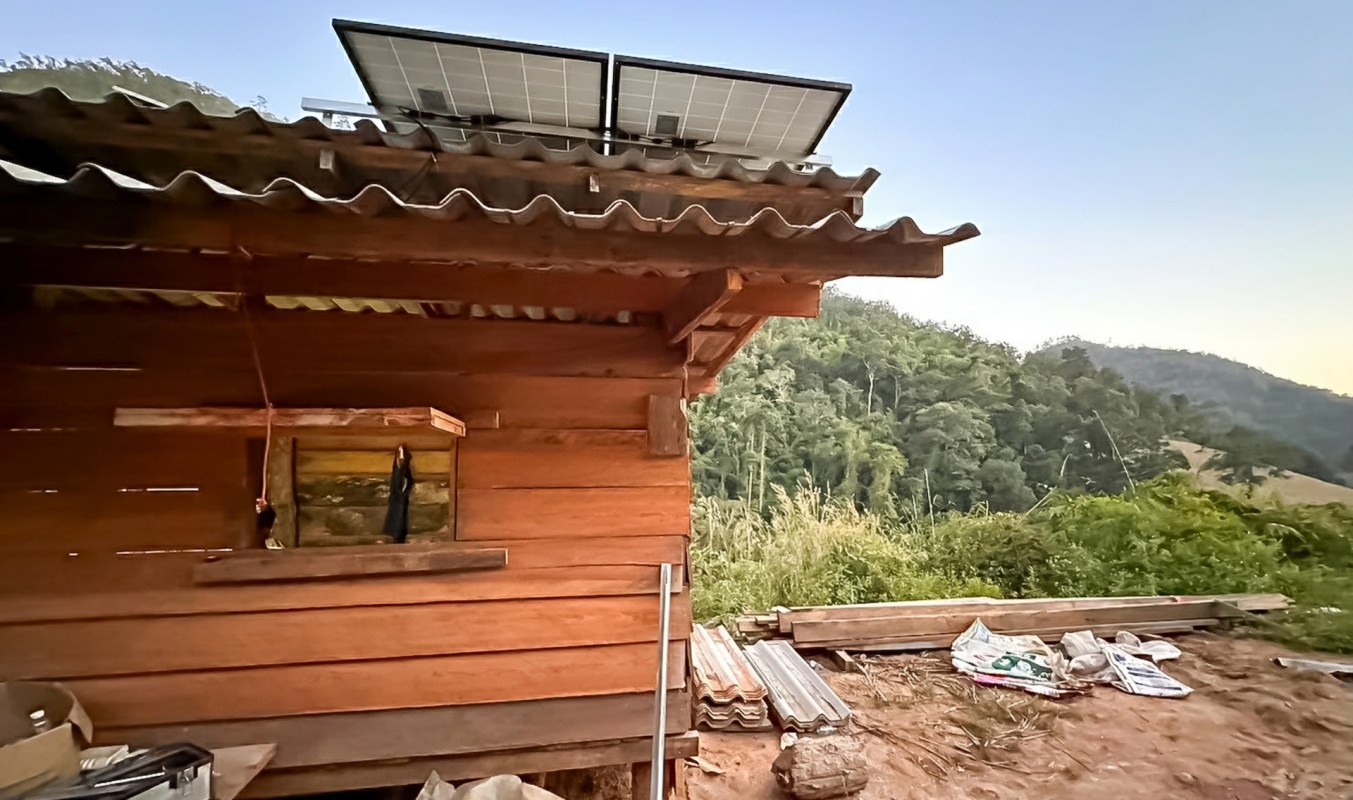
One Missouri homesteader's candid social media post about trying to become "semi-self-sufficient" on a small plot of land has resonated online.
After four years of slowly building out a cabin, solar system, and water treatment setup, the original poster said the hardest part hasn't been the labor itself, but sorting through troves of self-sufficiency advice that doesn't match reality on limited acreage.
Here's what to know
In the thread posted to Reddit's r/OffGrid community, the OP said they were trying to make a half acre of usable land support a low-cost, off-grid lifestyle on a very limited budget.
OP stressed that "I want to produce enough for sustenance. Sustenance. Not 500 different annuals including 11 strains of black berries."
What pushed them to post was the clash of recommendations they kept finding about small-scale self-sufficiency. After unsuccessful tries with gardens and chickens, they said advice ranging from tiny-plot optimism to claims that 100 acres are required had left them "running in circles."
One commenter argued that the numbers rarely work even on much larger properties. "Realistically, you can't," the commenter wrote, adding that many bigger farms still depend on outside jobs and that the communities that do make it work often rely on shared labor, large families, and knowledge passed down over time.
Another similarly added, "So you have ½ acre of usable land… pretty tight. You aren't going to be producing income and feeding yourself." A third user wrote, "a rule of thumb around our region has traditionally been '1 hectare per person' to be self-sufficient. This encompasses both fields and meadows (for animals), forests (construction, firewood), and farmland."
Several commenters also suggested backing away from livestock first. One said animals "might not be worth it" given predator threats, the need for secure housing, and the added requirement of freezer space, while another noted that even tough chickens still need solid infrastructure and do best when kept dry and protected from drafts and predators.
Save $10,000 on solar panels without even sharing your phone number Want to go solar but not sure who to trust? EnergySage has your back with free and transparent quotes from fully vetted providers that can help you save as much as $10k on installation. To get started, just answer a few questions about your home — no phone number required. Within a day or two, EnergySage will email you the best local options for your needs, and their expert advisers can help you compare quotes and pick a winner. |

More background
The poster described a much narrower target than many small-farm success stories suggest. They were not trying to bring in $5,000 a month or make a half-acre support a modern lifestyle; the goal was simply to cover about $300 in monthly bills, grow some food, and avoid sinking money into livestock.
And while off-grid living can lower certain bills, full self-sufficiency is often much harder than online tutorials make it seem.
Still, going solar is one of the best ways to save money on home energy and get off-grid, and tools like EnergySage can help homeowners explore free installation estimates and compare quotes before making a decision. With EnergySage's help, the average person can save up to $10,000 on solar purchases and installations.

Get TCD's free newsletters for easy tips, smart advice, and a chance to earn $5,000 toward home upgrades. To see more stories like this one, change your Google preferences here.
More From EnergySage
💡Go deep on the latest news and trends shaping the residential solar landscape