


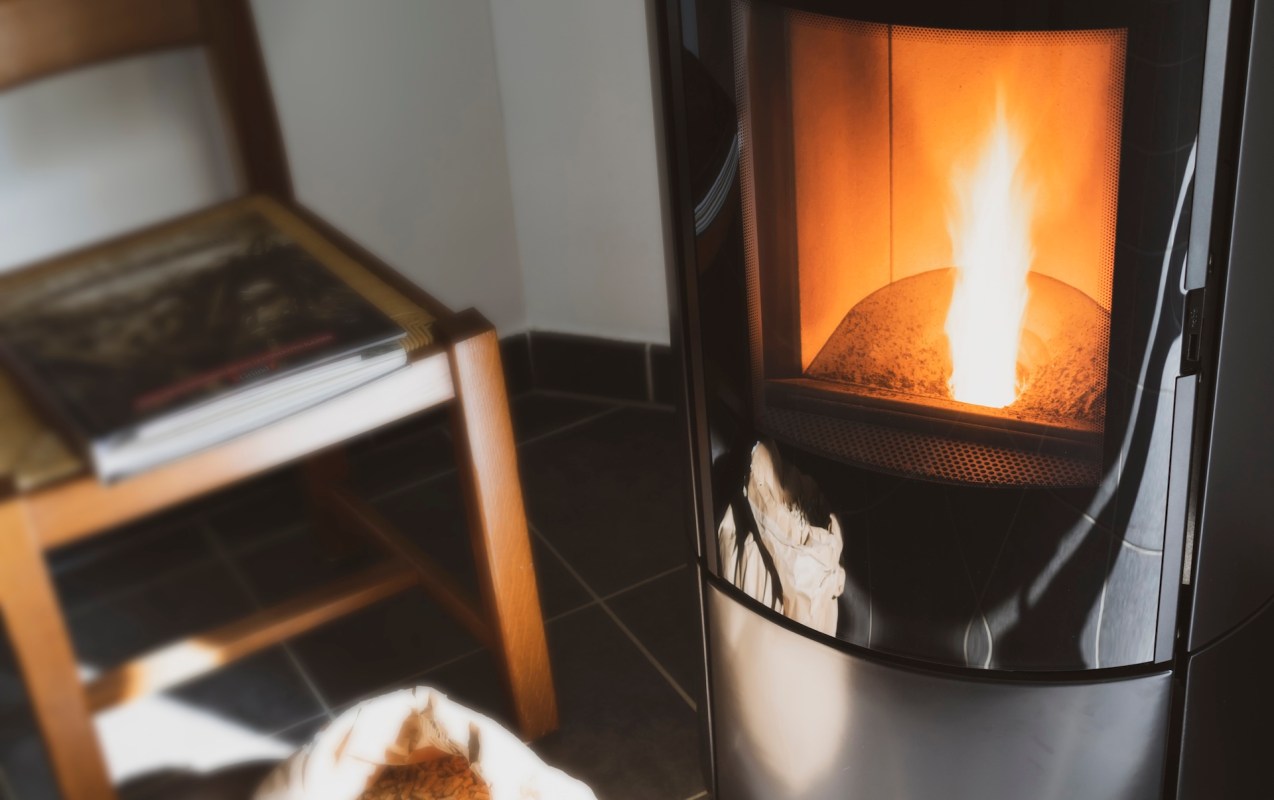
A rural Missouri homeowner facing winter heating bills of $300 to $400 a month considered an unusual way to keep warm.
Here's what to know
They hoped to handle installation themselves, perhaps with a friend's help, according to their Reddit post. They had already saved enough to buy the stove.
"Should I get one, or do you know of a better option?" they asked.
Local fuel prices favored corn over wood pellets, the original poster said. For the low-income homeowner, corn's ready availability was another draw, while concerns about fire made wood heat less appealing.
The roughly 1,200-square-foot mobile home dated back to 1992 and sat in an area where temperatures usually remain below freezing from November through March. They reported about four weeks in total below zero degrees Fahrenheit during that period.
More background
The homeowner was handling an insulation upgrade themselves, replacing the mobile home's original fiberglass. Someone recommended finishing the insulation work and assessing heating needs over a winter before switching systems, although they acknowledged that financial pressure could make waiting difficult.
TCD Picks » Quince Spotlight
💡These best-sellers from Quince deliver affordable, sustainable luxury for all




A corn stove already provides the main heat for one Minnesota commenter's farmer neighbor, who keeps propane available as a backup. Their crop planning included enough corn for heating. The commenter heated with wood and said the neighbor's corn stove involved more upkeep.
Meanwhile, the need to power a combustion fan was a dealbreaker for an Ontario commenter who had looked into getting a corn stove.
What can be done?
Fuel, operating expenses, and maintenance all belong in the cost comparison, commenters advised, rather than focusing only on the stove's purchase price.
Someone else suggested burning corn on a wood stove, but the original poster quickly put the kibosh on that.
"I wish that was an option," they wrote. "Corn burns at a much higher temp, and the sugar in corn causes problems in a wood stove."
A different commenter reassured the original poster that the differences could be minimized if they were careful with its operation.
"Fire is fire, regardless if it comes from wood or corn or gas or coal," another clarified. "Follow the clearance specified in the user manual and don't take any shortcuts."
One person urged the homeowner to check how a stove might affect homeowners insurance, including possible cancellation or higher premiums. The original poster called the warning "a good tip."
Others advised checking local fire codes and the manufacturer's clearance requirements to keep the stove adequately separated from combustible materials. They also recommended fire-rated rock wool as well as precautions that go beyond code requirements.
Where can I learn more?
Other homeowners trying to lower their winter heating bills have run into similar questions about fuel costs and stove safety.
• A new homeowner questioned an old stove's safety, prompting chimney and placement warnings.
• In Pennsylvania, a wood-stove beginner's winter preparations prompted warnings about burning unseasoned green wood.
• Massachusetts homeowners seeking heating savings encountered an $850 firewood price that complicated their plans.

Get TCD's free newsletters for easy tips, smart advice, and a chance to earn $5,000 toward home upgrades. To see more stories like this one, change your Google preferences here.






