


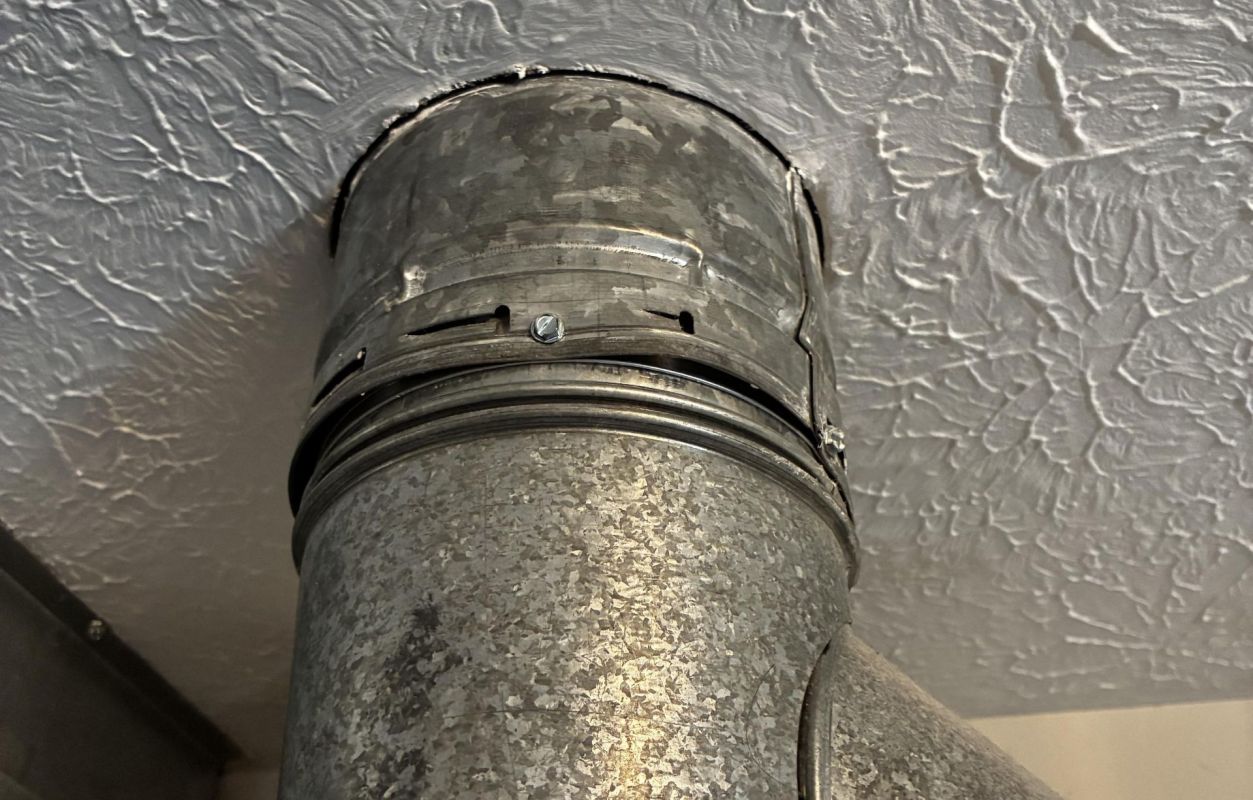
After a home inspector flagged a water heater flue pipe installation as "incorrect," the homeowner posted on Reddit's r/Plumbing community to ask whether it was "actually a problem."
Here's what to know
In the Reddit thread, the original poster said their house was built in 1984 and that the current water heater was installed in 2021.
According to the OP, a plumber said the flue setup was fine, but a home inspector raised concerns about the point where the vent goes through the ceiling. In the inspection report, "professional evaluation and correction" was recommended.
OP then wrote, "I know nothing about this stuff… Is this a fire hazard? Do I need to bother getting this repair done?"
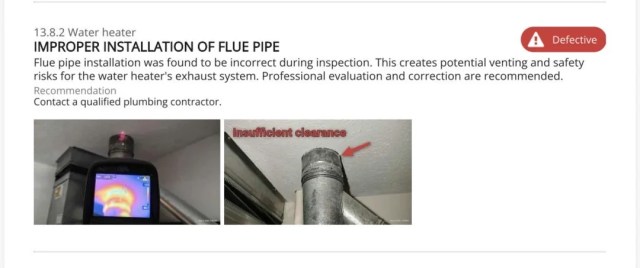
Commenters in the plumbing forum largely sided with the inspector rather than the plumber. One user put it bluntly, saying, "Home inspector is right, the plumber is wrong," before adding, "Yes it is a fire hazard as the vent pipe can get very hot and touching wood or drywall or potentially insulation in your attic is a fire hazard. I would hire a new plumber."
The same commenter wrote that a double-wall B-vent "must have a 1-inch air gap all the way around it." Another user similarly suggested, "One inch of clearance around that pipe." A third commenter simply wrote, "This is dangerous, you need clearance there. Believe the inspector."
After that, the homeowner asked whether the condition might have existed for a long time without causing obvious trouble. Another commenter replied, "Yes, but that doesn't make it correct."
Other commenters focused less on the vent itself and more on the inspection report, saying the inspector should have cited the exact code section because that kind of specificity reduces ambiguity and is good practice.
Crushed by your bills? See instant solar savings from vetted installers in just a few clicks With energy prices through the roof, there's never been a better time to go solar — and EasyHome can help you find the best prices from the best installers in your area. EasyHome takes the guesswork and headaches out of energy upgrades by showing you estimated savings from a network of vetted local partners. To get started, just enter your ZIP and share a few details about your home — seeing your estimate is really that easy. |

What can be done?
Issues like this can go unnoticed for years and only surface when an inspector, buyer, or seller takes a closer look at the venting.
Commenters said the immediate goal is to restore the required clearance and then finish the opening properly. One person suggested trimming back the drywall to leave a 1-inch ring around the vent, while others said metal flashing or a ceiling escutcheon could cover the area so it doesn't look like an unfinished hole.
If you're considering other water-heater work, Cala is one brand worth knowing. Cala's customizable smart heat pump water heaters can help homeowners lower energy bills by heating water only when needed. These smart heat pump water heaters give households more control over when hot water is produced.
For inspection-related repairs, commenters in the Reddit thread also noted that a licensed professional may need to handle the work, especially during a real estate transaction.
Homeowners comparing repair and replacement options can research Cala while asking installers detailed questions about venting, clearances, and who will sign off on the job.
Where can I learn more?
These stories look at how seemingly minor water-heater venting problems can raise serious safety concerns.
• A home inspection can flag water heater backdrafting, and plumbers say repairs may be costly.
• After chimney work, pros warned the water-heater vent setup could send exhaust backward.
• A Wisconsin family shut off its heater after a big no-no vent cap appeared.

Get TCD's free newsletters for easy tips, smart advice, and a chance to earn $5,000 toward home upgrades. To see more stories like this one, change your Google preferences here.






