


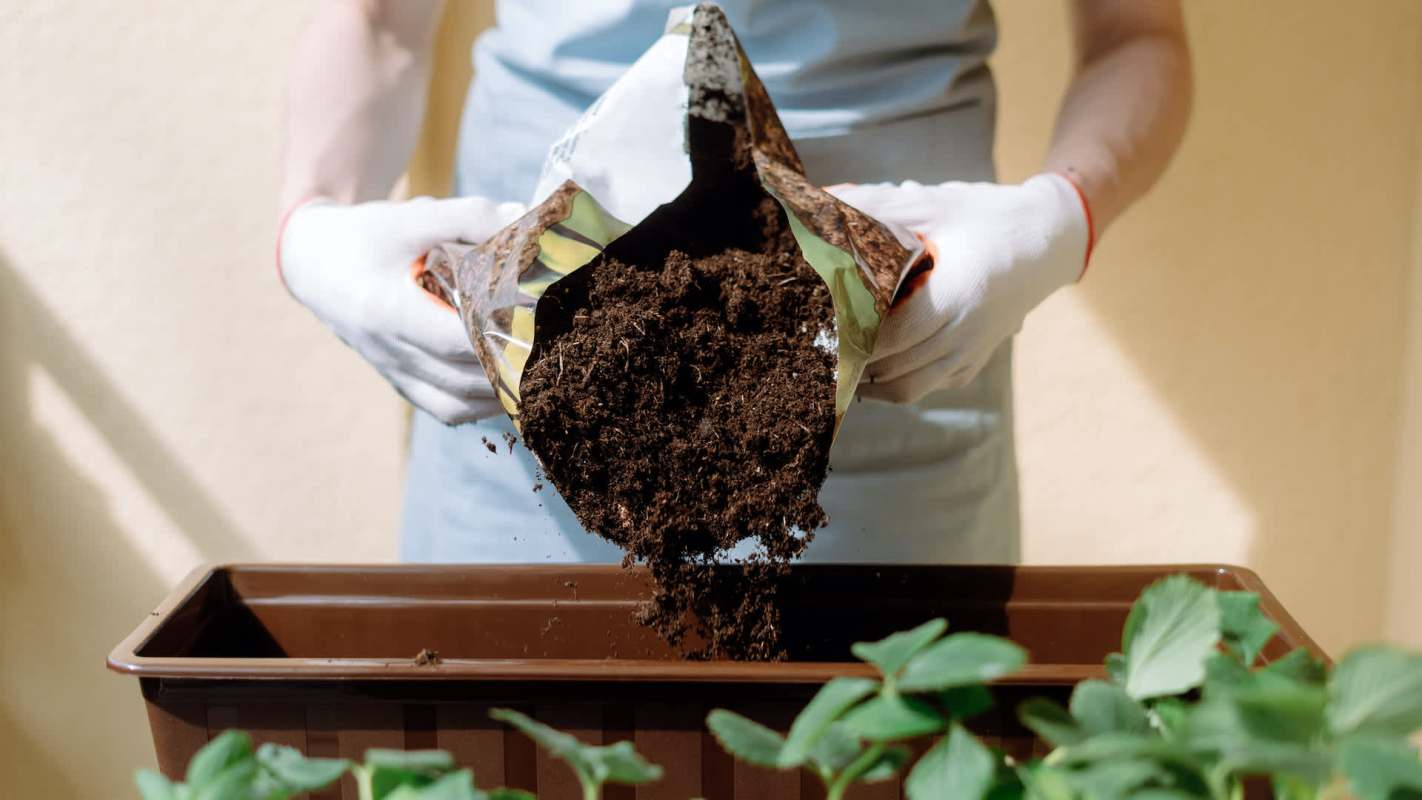
A concerned gardener took to Reddit after opening a bag of soil to discover what looked like a hypodermic needle.
The user shared a photo of the object in a post on the r/gardening Reddit forum, noting that the metal needle had been detached from the barrel.
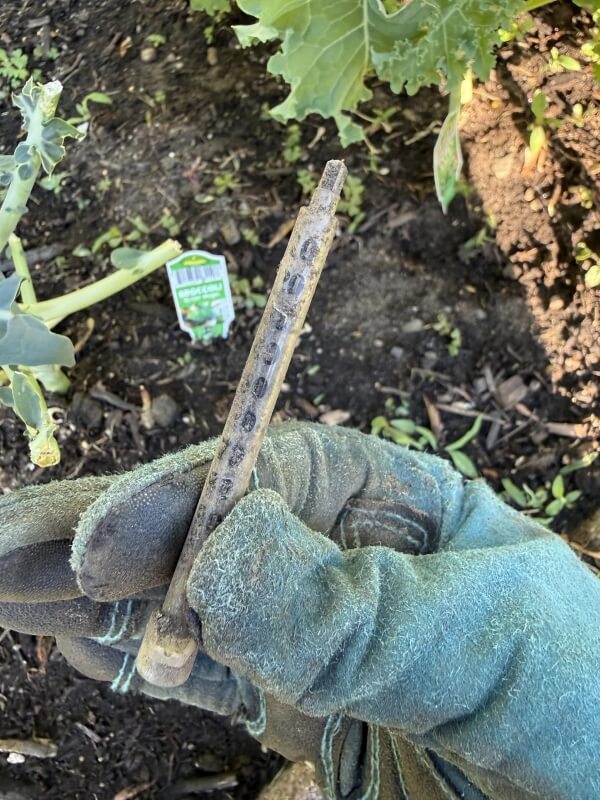
According to the poster, the object was found in a bag of Miracle-Gro soil, and while commenters said the find was disturbing, some indicated that they were not entirely shocked.
Miracle-Gro, owned by the Scotts Miracle-Gro Company, which makes the product, is one of the world's largest producers of garden products. However, users in the comments criticized the product and said the post seemed to reflect a bigger pattern of unexpected debris showing up in commercial soil products.
"I stopped buying Miracle Grow," one user said.
"Please just stop buying Miracle Gro. There are so many better products available," another added.
TCD Picks » Quince Spotlight
💡These best-sellers from Quince deliver affordable, sustainable luxury for all




"They named it that because it's a miracle if anything grows when you use it," another user joked.
Why does it matter?
Potting soil is something people handle with their bare hands in backyards, kitchens, patios, and community gardens. Finding a sharp or medical-looking object in that setting is alarming on a basic safety level, particularly in homes with children or pets nearby.
Garden soil is supposed to support healthy growth, not introduce mystery debris into the spaces where people grow food, flowers, and native plants. Even if an object does not turn out to be immediately dangerous, its presence can leave people wondering what else may have made it into the bag.
Industrial waste streams and low-visibility supply chains can make it harder for consumers to know exactly what they are bringing into their homes and neighborhoods. When products marketed for gardening contain unexpected trash, they raise concerns about quality control, communities, and the environment.
Many shoppers rely on inexpensive, widely available bagged mixes, so concerns about quality control extend beyond hobby gardeners. They affect anyone trying to maintain a yard, start a vegetable garden, or make an outdoor space healthier.
What can I do?
If you use bagged soil, one practical step is to empty it onto a tarp, into a wheelbarrow, or into a large container and sift through it before spreading it around plants. That quick check can help you spot plastic, glass, metal, or other debris before it reaches your beds or pots.
Wearing gloves while handling soil is also a smart precaution, especially with products you have not used before. If you do find something suspicious, take photos, save the packaging, and document the lot number so you can report it to the retailer and manufacturer.
Commenters also suggested alternatives for people who want more clarity about what they are buying. Some recommended local garden centers, saying those businesses may be able to offer better information about where their compost or soil blends come from, while others pointed to home composting as a way to keep more control over the final product.
That will not be realistic for everyone, and not every bagged mix is problematic. Still, asking questions, checking materials before use, and supporting more transparent local options can reduce the risk.

Get TCD's free newsletters for easy tips, smart advice, and a chance to earn $5,000 toward home upgrades. To see more stories like this one, change your Google preferences here.






