


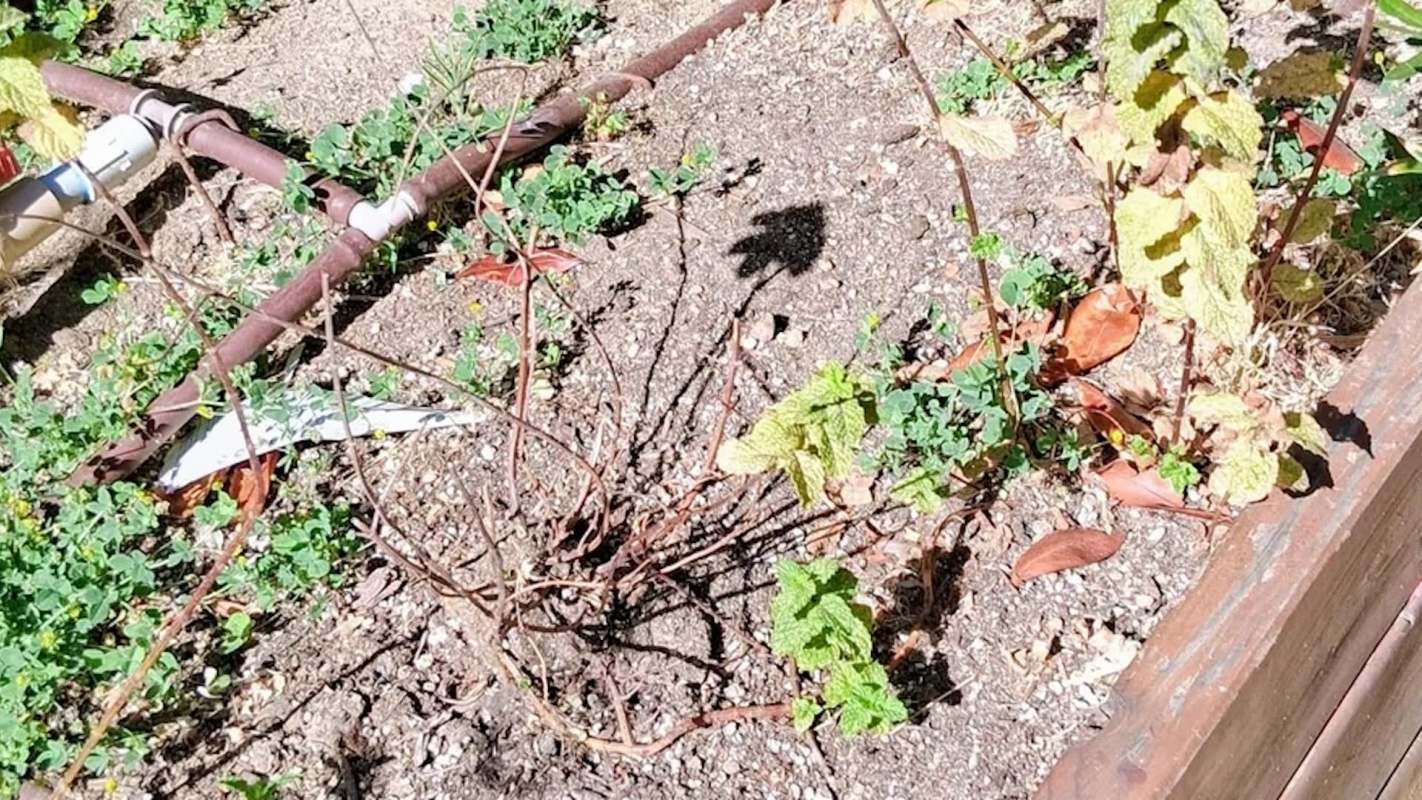
A Reddit user caused a stir on the r/mildlyinfuriating forum after sharing how their parents planted mint, an extremely invasive plant species, in their garden.
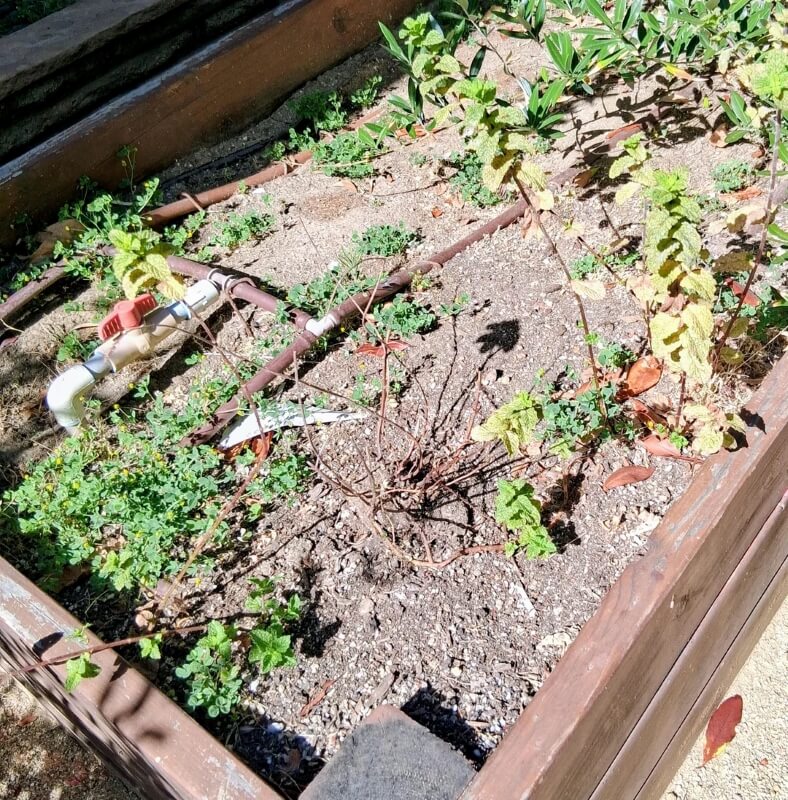
"Parents planted mint in their garden," the original poster wrote while including a photo of the plant in question. "What should I tell them?"
What happened?
The reaction from gardeners was strikingly consistent. Many said planting mint straight into a garden bed, instead of keeping it confined in a pot or other barrier, was a mistake that should be fixed quickly.
Mint is well known for spreading aggressively through underground runners. While it can be useful for teas, cooking, and pollinator-friendly gardens, it also has a reputation for quickly taking over flower beds, vegetable plots, and even nearby lawns.
Across the comments, the same recommendations kept coming up: pull it out right away, keep it only in a pot sunk into the soil, or be ready for years of frequent cutting back and digging.
Why does it matter?
This kind of gardening mistake can create a frustrating, time-consuming problem for homeowners. Once mint becomes established, even small root fragments can regrow, making it difficult to fully remove without repeated effort.
TCD Picks » Quince Spotlight
💡These best-sellers from Quince deliver affordable, sustainable luxury for all




Even pantry-staple plants can become high-maintenance in the wrong setting, creating a constant need for trimming, digging, and damage control.
A smarter solution is replacing at least part of a traditional lawn with more intentional, low-maintenance options. Native plants can save money and time on upkeep, support pollinators, and lower water bills.
Clover, buffalo grass, and xeriscaping are also popular lawn-replacement choices that can reduce mowing and irrigation needs. Even a partial lawn replacement can bring those benefits without requiring a full yard makeover.
What can I do?
If you're facing a similar debacle with mint already planted in your garden, experts have suggested removing as much of it as possible and growing it in a container or pot instead.
If you cannot remove it immediately, the alternative is strict ongoing control: cut it back regularly, watch for runners, and pull new shoots as soon as they appear. It should also be kept away from vegetable beds or ornamental plants that you want to protect.
Once mint is loose in garden soil, waiting usually makes the job harder, so dealing with it early can keep one plant from turning into a much bigger yard problem.
What are people saying?
Commenters offered sympathy for the original poster while also offering their own experiences with the invasive plant.
"We [planted mint] once," one user wrote. "Still suffering the consequences."
"My mom planted mint in the garden 30 years ago and we are still trying to get rid of it," another added.

Get TCD's free newsletters for easy tips, smart advice, and a chance to earn $5,000 toward home upgrades. To see more stories like this one, change your Google preferences here.






