


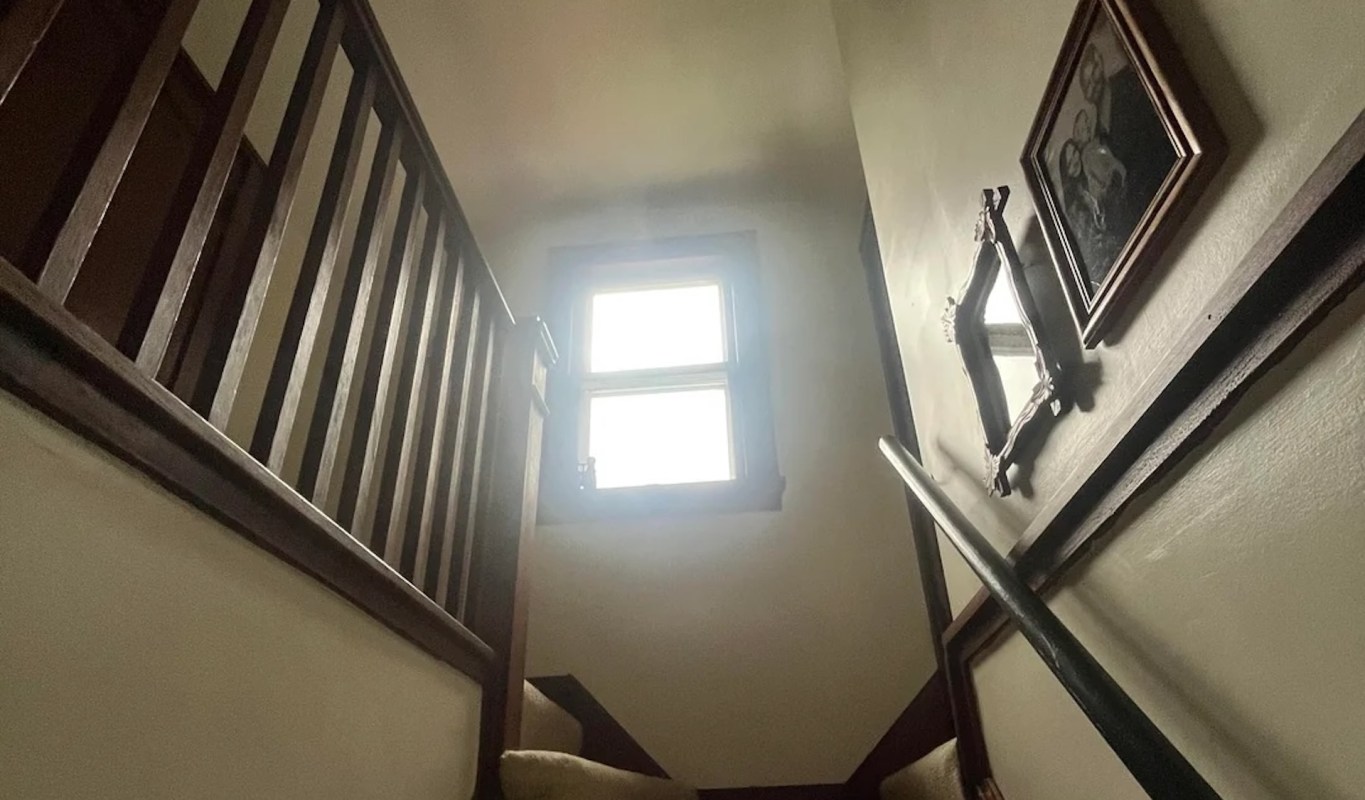
One Minnesota homeowner showed how easily an old house can turn its second floor into a summer heat trap.
Here's what to know
The homeowner took to Reddit's r/Insulation community to share photos and write, "[my] AC cannot keep up… Home is 100 years old. Has forced air heating and cooling… Any help greatly appreciated."
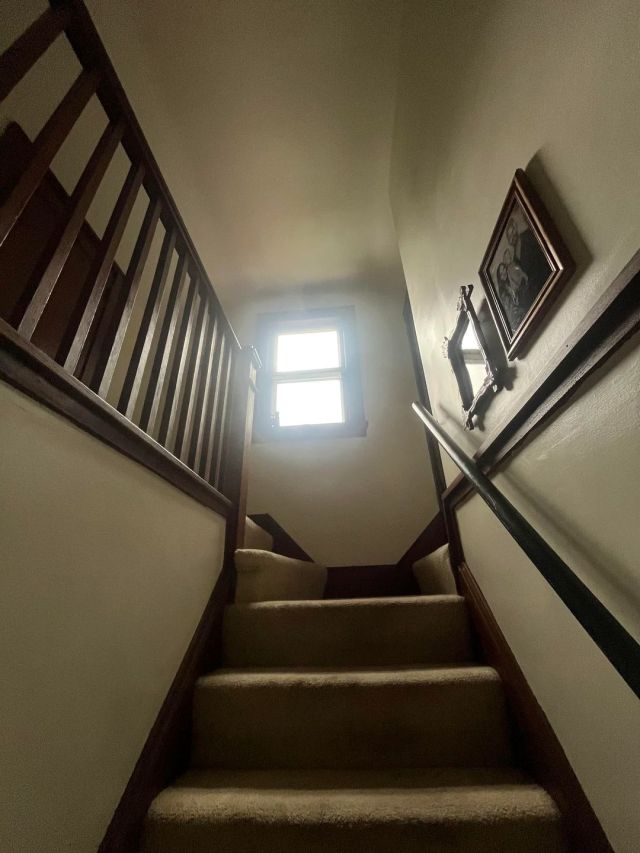
The original poster then asked, "How can I, if at all, fix this problem? Located in SE Minnesota."
From the photos, people in the thread said the attic likely needed attention in three areas: air sealing, ventilation, and insulation.
Commenters added that the attic setup was probably a major factor, describing a space that seemed to trap heat while letting cooled indoor air leak away. In older homes, that combination can often leave upstairs bedrooms much hotter than the rest of the house, even when the AC runs constantly.
The top comment read, "Your attic doesn't look to be properly ventilated nor insulated."
One commenter offered a straightforward fix, writing, "I'd personally add in 2x 12s with soffit vents and a ridge vent and insulated it making sure the insulation is only 1/3rd of the new cavity."
More background
An attic with too little insulation or too many gaps can waste cooling by letting conditioned air escape rather than stay in the rooms below. Attics in 100-year-old houses are more prone to hiding energy problems, with heat building up overhead and leaks that can pull air-conditioned air out of the living space.
Crushed by your bills? See instant solar savings from vetted installers in just a few clicks With energy prices through the roof, there's never been a better time to go solar — and EasyHome can help you find the best prices from the best installers in your area. EasyHome takes the guesswork and headaches out of energy upgrades by showing you estimated savings from a network of vetted local partners. To get started, just enter your ZIP and share a few details about your home — seeing your estimate is really that easy. |

That often leads to longer AC run times, uneven room temperatures, and higher monthly bills.
In many cases, the system is blamed first, even though the building is causing much of the damage.
Comfort upgrades can often overlap with safety concerns and electrical modernization. If you're weighing repair versus replacement, upgrading your heating and cooling system is one of the best ways to save money on your utility bills and protect yourself against rising energy prices.
Palmetto can help homeowners understand their HVAC options, and Palmetto's Comfort Plan network can help you find efficient heating and cooling solutions for your home. If you're not ready to spend up front, the Comfort Plan includes HVAC subscription options that can also help you cut your energy costs.
You can drive those costs even lower by pairing solar panels with electric appliances, such as efficient HVAC systems and heat pumps. EnergySage makes it easy to find the best solar system and installer for your home and budget.
Where can I learn more?
This Minnesota attic discussion centered on a house that does not cool down even with the AC blasting. These articles look at the equipment side of that same problem, from thermostat settings and dry mode to simple maintenance that can affect comfort and energy costs.
• One homeowner found a thermostat setting hack that cut the household cooling bill in half.
• A sustainability expert said using AC dry mode all summer trimmed costs during the hottest months.
• After a simple AC cleaning, one household said the difference was phenomenal as cooling efficiency improved.
If your second floor always seems warmer than the rest of the house, these smaller AC tweaks may still help. They also underscore the main point here, that comfort problems often come from a mix of conditions with an aging system trying to keep up.

Get TCD's free newsletters for easy tips, smart advice, and a chance to earn $5,000 toward home upgrades. To see more stories like this one, change your Google preferences here.






