


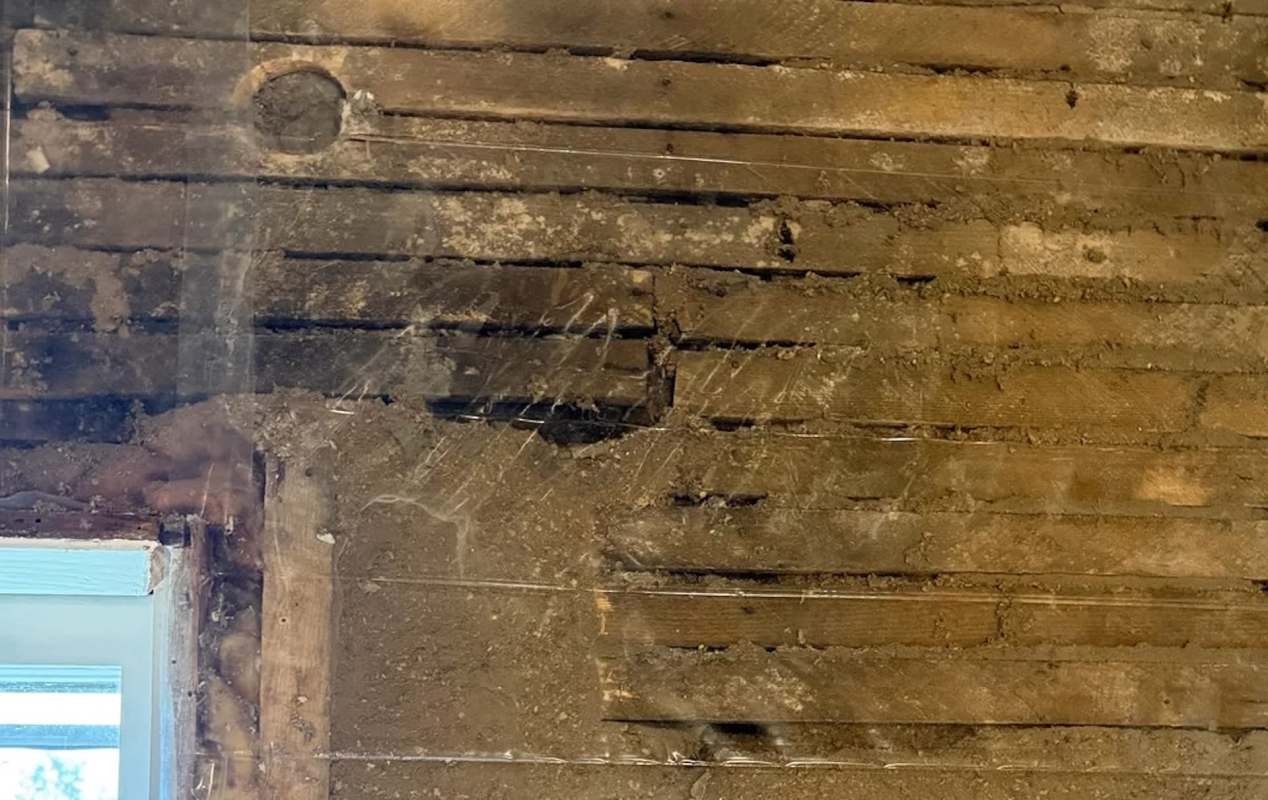
A Minnesota homeowner thought they had found an easy win: free insulation for an 1890 stucco house.
Here's what to know
The post came from the owner of a stucco duplex built in 1890 in Minnesota. In a Reddit thread, they said a local program would pay for attic insulation, rim-joist work, air sealing, and blown-in cellulose in the walls. But because a previous owner had already added cellulose to the exterior walls in the late 1980s, the homeowner questioned whether opening every stud bay from the outside made sense.
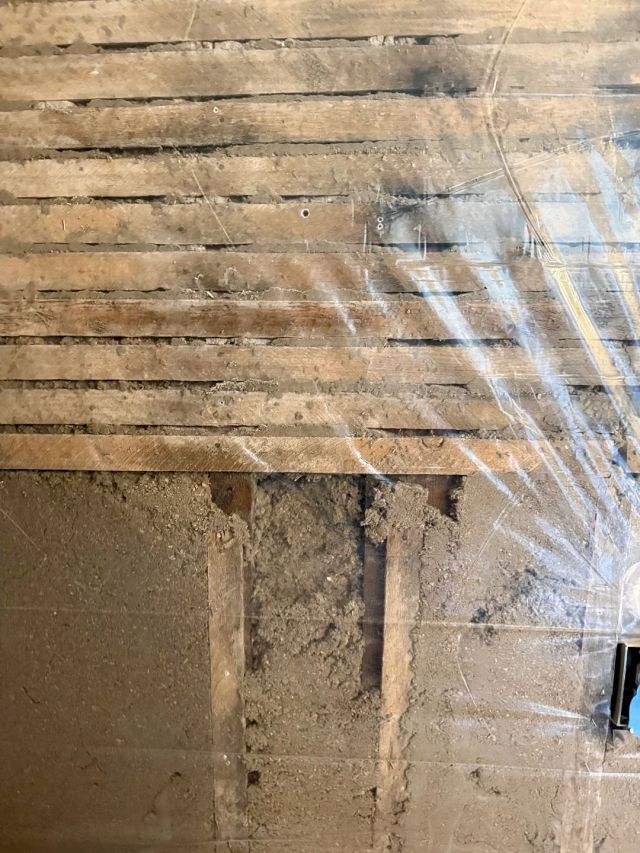
Replies largely centered on the risks of cutting into stucco rather than the appeal of getting insulation at no charge. One warned, "That's awesome, but I've also seen where the holes allowed water to come in and it rotted the entire cladding the stucco was affixed to. So, just make sure they plug up the holes properly!"
And for homeowners looking beyond insulation and other weatherizing solutions, upgrading heating and cooling equipment can be one of the best ways to cut utility bills and guard against rising energy prices. Palmetto's Comfort Plan network can help you find efficient heating and cooling solutions for your home and connect you with vetted installers.
More background
The issue here is not whether insulation works — it generally does — but where and how it is installed. Multiple commenters said drilling through stucco can leave noticeable patches, while one homeowner said they were relieved workers drilled from the inside instead, since drywall is easier to repair than exterior finishes.
Past testing also made the decision less straightforward. The homeowner said a thermal scan done during very cold weather found only small trouble spots, describing "some cold spots (maybe 1-2sq feet on every wall, and mostly near the windows....)" and adding that an energy report said, "wall insulation wasn't necessary." They contrasted that with the attic and rim joists, which had "practically nothing there now," suggesting those areas may deliver the bigger comfort and savings benefits.
In the discussion, the original poster said homeowners may also get help from the Center for Energy and Environment, ask CenterPoint about program options, and check with Xcel or another electric company about discounted rates for households that use space heaters.
What can be done?
For homeowners facing a similar choice, the first step is asking detailed questions before any work begins: How will the holes be sealed? Will the stucco patch remain visible? Is there a warranty against water intrusion? And if the walls already contain insulation, is there thermal imaging or another assessment showing that dense-packing will meaningfully improve performance?
Save $10,000 on solar panels without even sharing your phone number Want to go solar but not sure who to trust? EnergySage has your back with free and transparent quotes from fully vetted providers in your area. To get started, just answer a few questions about your home — no phone number required. Within a day or two, EnergySage will email you the best options for your needs, and their expert advisers can help you compare quotes and pick a winner. Solar panels can save you more than $50k over their 25-year lifespan, and EnergySage can help you save as much as $10k on installation. Which begs the question — isn't that worth an email or two? |

If insulation is only one part of the equation, Palmetto can also help homeowners explore efficient HVAC upgrades. If you're not ready to spend up front, the Comfort Plan includes $0-down options that can lower heating and cooling costs by up to 50% and includes 12 years of free maintenance.
Homeowners can also pair solar panels with electric appliances, like efficient HVACs, to lower their utility costs even further. EnergySage makes it easy to find the best solar system and installer for your home and budget, saving you up to $10,000 on installations.
Where can I learn more?
If you're sorting through a free insulation offer, it can help to see how other homeowners have used public incentives and decided which energy upgrades to tackle first.
• Federal programs have already sent over $3 billion to homeowners for new insulation.
• Many households can still claim $1,600 to insulate older homes and lower monthly energy bills.
• On Reddit, air sealing and attic work drew strong homeowner opinions about comfort and savings.

Get TCD's free newsletters for easy tips, smart advice, and a chance to earn $5,000 toward home upgrades. To see more stories like this one, change your Google preferences here.






