


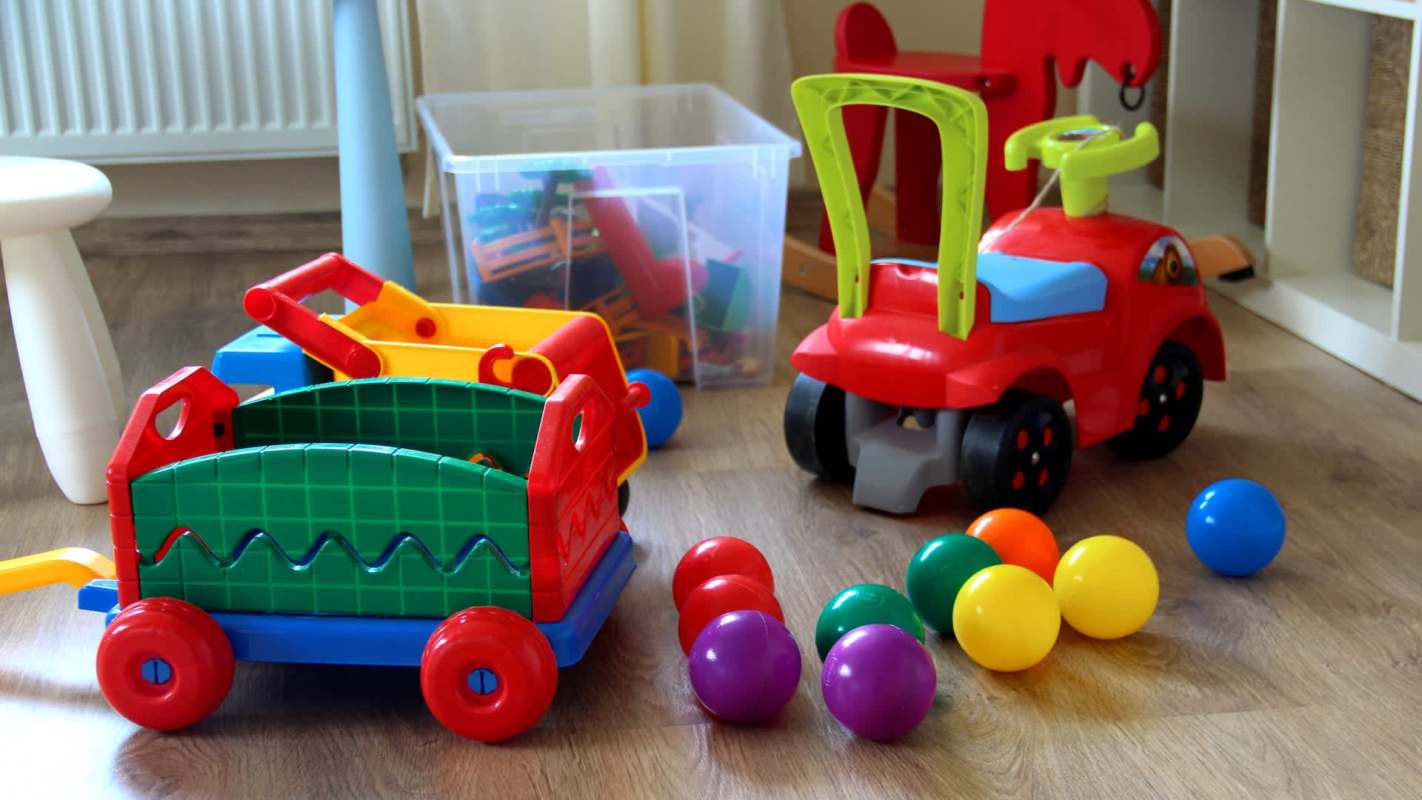
Children's belongings can fill up a home faster than many parents expect.
Toys, clothes, and furniture are often outgrown or forgotten in a short time, leaving families with clutter, stress, and money spent on things that did not last.
In reporting on that research, The Conversation described how 12 minimalist parents try to keep children's clutter from piling up.
What's happening?
How families can own less for their children without giving up play, learning, or joy was the focus of research connected to a book project on minimalism.
At the same time, kids are under growing pressure to want more, from advertising built into online content and games to kid influencers posting unboxing videos.
To cut down on the steady buildup of stuff, the parents shared practical habits. One strategy, The Conversation reported, is to have children take a photo of items they want and save those for birthday or Christmas lists, which can help reduce impulse buys.
TCD Picks » Quince Spotlight
💡These best-sellers from Quince deliver affordable, sustainable luxury for all




As one parent explained, "If they still want the same thing when those events come around, it's quite a good indicator it's something they really would like, not some passing phase or interest."
Another approach some families use is to keep gift-giving to four categories: a want, a need, clothing, and a book.
Some families also ask friends and relatives to chip in toward one meaningful item or an outing instead of buying several smaller gifts.
Why does it matter?
The issue is not only how a home looks. In many households, clutter can make everyday life harder, add friction to routines and cleaning, and leave people with the sense that things are out of control.
For parents with already busy schedules, having fewer possessions can mean less time spent organizing, less money spent on short-lived purchases, and less guilt over wasted items.
Children's clutter has an environmental side as well. Many plastic toys, especially those with electrical parts, are difficult or impossible to recycle properly, so they often wind up in landfills. Reducing unnecessary purchases at the start can help lessen that burden.
Spending on gifts can be substantial, too. The Conversation cited a 2019 U.S. study that found grandparents spent about $805 a year on gifts for grandchildren, while grandparents in the U.K. were planning to spend close to £100, or about $133, per grandchild at Christmas.
Asking for specific gifts, shared contributions, or experience-based presents can help families avoid duplicates and make that money go further.
What can I do?
The parents interviewed offered several ideas for keeping belongings manageable.
Because they can be used in many ways, open-ended toys such as blocks, magnetic tiles, and play silks were one recommendation. Having fewer toys that are more versatile can also help children focus and play more creatively.
Storage can also set the limits. Parents emphasized giving every item a designated home, and if toys no longer fit in the space assigned to them, that may be the signal to donate, sell, or pass something along.
Rather than leaving outgrown items unused, families can move them on by donating, handing them down, or reselling them.
As one parent said, "I found that making sure that everything had a home was really the only way that I was able to keep my children organised, keep my life organised."

Get TCD's free newsletters for easy tips, smart advice, and a chance to earn $5,000 toward home upgrades. To see more stories like this one, change your Google preferences here.






