


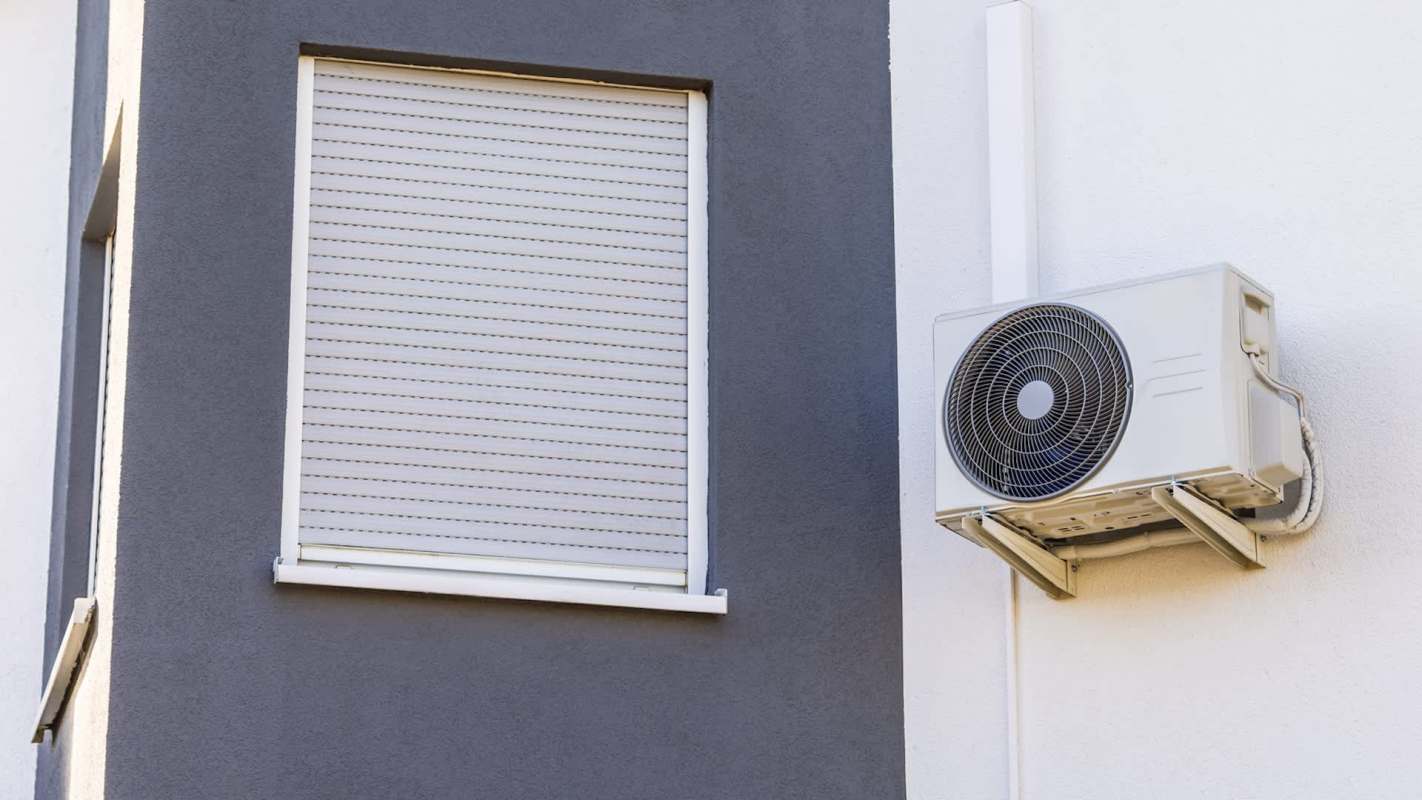
A Pennsylvania homeowner trying to stop relying on costly oil heat repeatedly got the same response from HVAC contractors: Getting a heat pump would probably mean changing the home's duct system.
Online responses, however, suggested there may be a less disruptive alternative that could also lower energy costs over time.
Here's what to know
The homeowner posted to Reddit's r/HVACAdvice community, and the main issue was whether a heat pump would automatically require major vent work.
The original poster said their 1950 central Pennsylvania house uses oil heat with radiators and has a rooftop air conditioner connected to ducts, adding: "We want to get away from expensive oil; gas is not an option … Any insight?"
One commenter said the answer depends on the home's existing setup, writing: "Heat pumps need a lot more airflow than a furnace/boiler to deliver the same heat, since the air they make is cooler. Your ducts have only ever handled AC, so they may genuinely be undersized for that."
The same commenter later added: "Mini-splits really are the common fix here. Ductless heads skip ducts entirely (just a small refrigerant line through the wall) and let you zone room by room … make sure any heat pump quoted is cold-climate rated, regular ones lose capacity in real cold."
More background
Some homes use radiators for heating but separate ducts only for cooling. In that kind of setup, contractor concerns about airflow may be reasonable, yet homeowners may still have more than one way to move forward.
Oil heat can be especially expensive and unpredictable, while efficient electric systems such as heat pumps can lower monthly bills when they are properly sized and installed.
Save $10,000 on solar panels without even sharing your phone number Want to go solar but not sure who to trust? EnergySage has your back with free and transparent quotes from fully vetted providers in your area. To get started, just answer a few questions about your home — no phone number required. Within a day or two, EnergySage will email you the best options for your needs, and their expert advisers can help you compare quotes and pick a winner. Solar panels can save you more than $50k over their 25-year lifespan, and EnergySage can help you save as much as $10k on installation. Which begs the question — isn't that worth an email or two? |

And mini-splits can be especially attractive in older homes because they allow room-by-room heating and cooling, which can make comfort easier to manage and help avoid conditioning unused spaces.
Before agreeing to major ductwork changes, homeowners in this situation may want to ask for a proper load calculation. That can show whether the existing ducts could be adapted, whether a ducted heat pump makes sense, or whether ductless mini-splits would be the better option.
Homeowners exploring similar changes can also review their options through Palmetto's Comfort Plan network. Palmetto can also help you find the right installer and HVAC system for your home and budget.
Where can I learn more?
These articles cover homeowners weighing mini-splits and using simple fixes to cut heating costs.
• In Connecticut, a mini-split could save 200 gallons of oil each year.
• At a rural property, homeowners with only a wood stove turned to a mini-split solution.
• One frugal homeowner used a budget-friendly room-divider hack to help keep rooms warmer.

Get TCD's free newsletters for easy tips, smart advice, and a chance to earn $5,000 toward home upgrades. To see more stories like this one, change your Google preferences here.






