


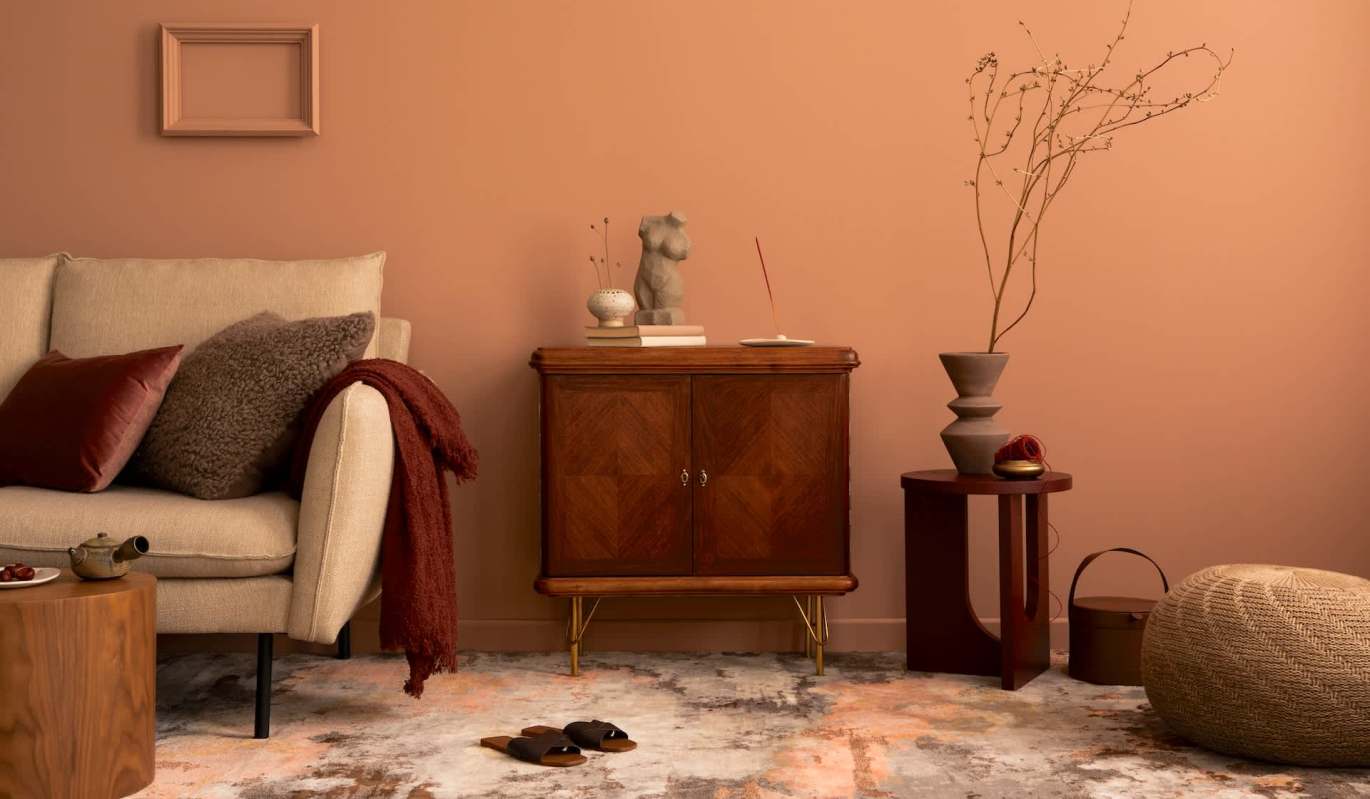
For years, bare surfaces and all-white kitchens defined a certain home aesthetic, but that influence is beginning to weaken.
Many homeowners are now turning to "midimalism," a look that keeps minimalism's calm feeling while allowing more color, texture, and personality into a space.
What's happening?
Design pros have said the trend occupies the space between two opposites: ultra-stripped-down minimalism and the fuller, more layered style of maximalism.
The Washington Post described the concept as bringing those two approaches together so a room feels deliberate rather than visually overwhelming.
Realtor.com executive editor Charlie Lankston described midimalism as "a happy-medium interior design approach that blends the vibrancy of maximalism with the calming aesthetic of minimalism."
Thumbtack home design trends expert Kendra Sinclair explained it this way: "Midimalism is the middle ground between minimalism and maximalism, and captures the uncluttered foundation of a minimalist approach with strong visual elements that map to maximalism."
TCD Picks » Quince Spotlight
💡These best-sellers from Quince deliver affordable, sustainable luxury for all




In everyday terms, that might mean a neutral base, a small number of richer accent colors, layered materials, and personal objects that matter — while leaving out filler pieces and trend-driven decor.
Why does it matter?
The style can make a home easier to clean and organize, more enjoyable to use each day, and less likely to create the stress that comes with too much visual clutter.
Instead of pushing people to replace everything or follow every new fad, midimalism emphasizes refining and reworking the things you already have.
Neha Khanna, CEO and co-founder of Fabrica Kraft, said midimalism is "that middle space where the room feels clean, but not cold. Personal, but not cluttered."
What can I do?
Experts say to begin with a quiet foundation, using simple furniture, neutral tones, and enough open area that the room feels spacious rather than crowded.
After that, add only a few intentional layers, such as cushions, curtains, throws, one standout artwork, or another sculptural detail.
Sinclair recommended combining different materials and fabrics to create warmth and depth without crowding a room with too many objects or too much color.
That could mean pairing stone with velvet, bringing in embroidered pillows, or using wood paneling to add interest while keeping the overall look restrained.
To keep from overspending or overdecorating, experts recommend making fewer choices that have more impact.
Interior designer Daniela Alilovic said bold items should have "enough visual weight not to need supporting pieces for the space to feel complete," and she recommended limiting decorative groupings to three.
"Do not purchase every piece from the same store — avoid matchy-matchy," said Samantha-Jane Agbontaen, founder of House Designer. "You don't want your space to look like a showroom."
"Midimalism needs editing," Khanna said.
As Lankston noted, "Achieving the midimalism look is less about creating a whole new aesthetic and more about editing what you already have."

Get TCD's free newsletters for easy tips, smart advice, and a chance to earn $5,000 toward home upgrades. To see more stories like this one, change your Google preferences here.






