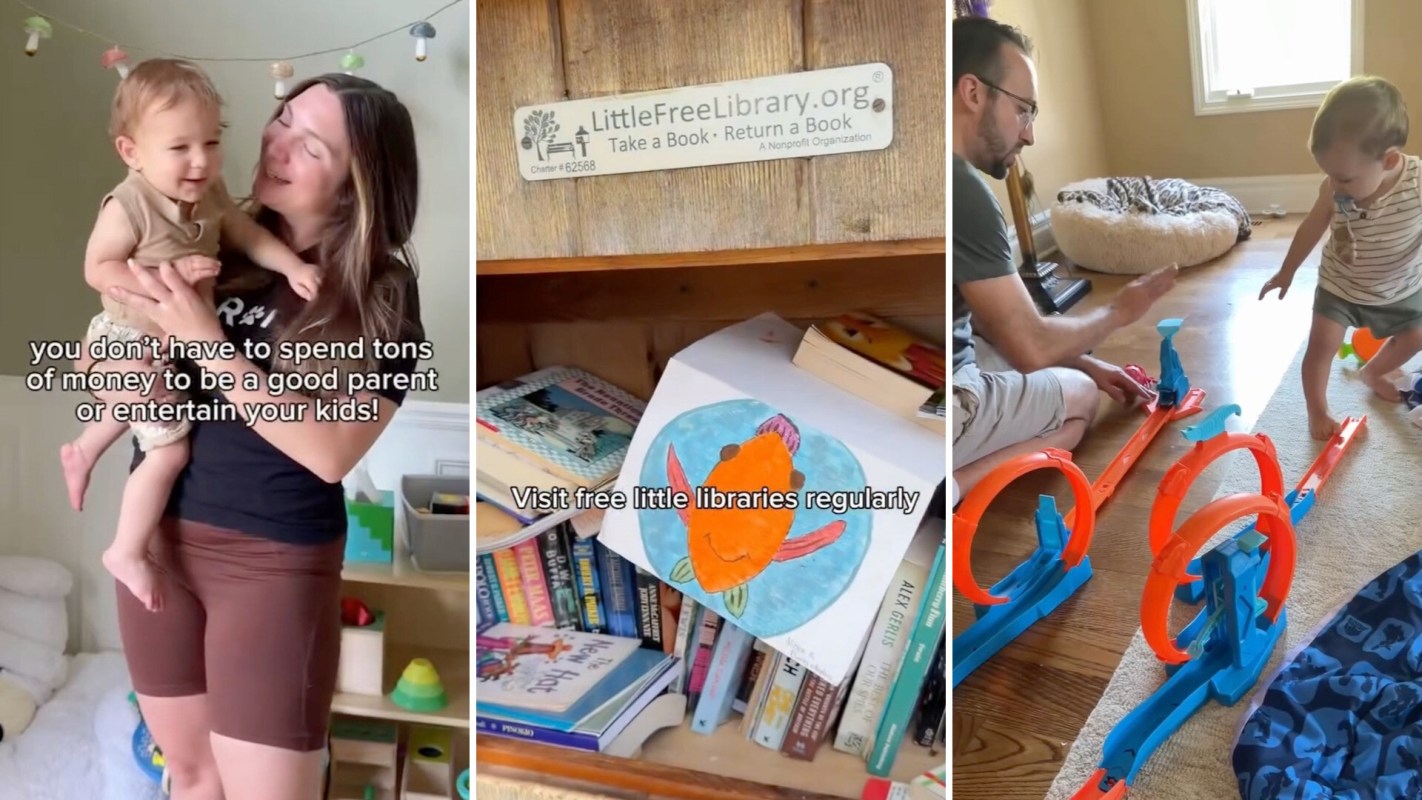
For parents navigating higher costs and constant pressure to buy more toys, it can seem extremely difficult to keep young children happy without overspending.
Now, a Michigan mom is sharing her strategies to entertain kids without going overboard on toys or paying a ton for entertainment.
What's happening?
In a recent post on Instagram, Michigan mom Sabrina Pare, urged parents to scale back spending on kids' products and check secondhand sources before buying new.
In her video, Pare argues that kids tend to value shared time and attention more than a steady supply of new purchases.
"This is for the moms who feel overwhelmed or like they have to keep up with everyone else," she wrote.
Pare added "Your kids don't know if something is brand new or secondhand. They don't need overflowing toy bins, and sometimes less really is more. What they want most is your time, your attention, and a little fun."
TCD Picks » Quince Spotlight
💡These best-sellers from Quince deliver affordable, sustainable luxury for all




Her message also fits into the wider underconsumption movement, which encourages parents to focus on presence, resourcefulness, and budgeting rather than filling the house with more children's items.
She also acknowledged the appeal of aspirational parenting products, adding: "Do I love beautiful wooden toys and organic cotton clothes? Absolutely. But I buy them in moderation and almost always look for them secondhand first."
Commenters were quick to support Pare's strategies. One wrote, "Absolutely this. Children grow so fast it's wise to purchase secondhand. They're also so tiny that toys don't have to be brand new and activities can be pretty much anything as long as they have family with them."
Another commenter said, "I live by all of these and I promise it makes their childhood even more magical to get a little creative."
Why does it matter?
Families can lower costs by buying fewer new toys, outfits, and baby products, particularly since children move through many of those items so fast.
Shopping secondhand may also reduce the urge to measure up to polished social media images. Money that might have gone toward keeping pace can instead be used for basics, savings, or memorable experiences.
Another practical upside is having less to manage at home. Cutting back on impulse purchases can free up space, simplify cleanup, and reduce the pile of items kids may only use for a short time.
Parents can also build more low-cost activities into daily life without buying much at all, including art projects, library trips, walks outside, and practical tasks at home.
A useful place to start is deciding which children's items truly need to be bought new. Clothes, books, puzzles, and toys are often easy to find in great shape through thrift stores, resale apps, consignment shops, and local parent groups.

Get TCD's free newsletters for easy tips, smart advice, and a chance to earn $5,000 toward home upgrades. To see more stories like this one, change your Google preferences here.