


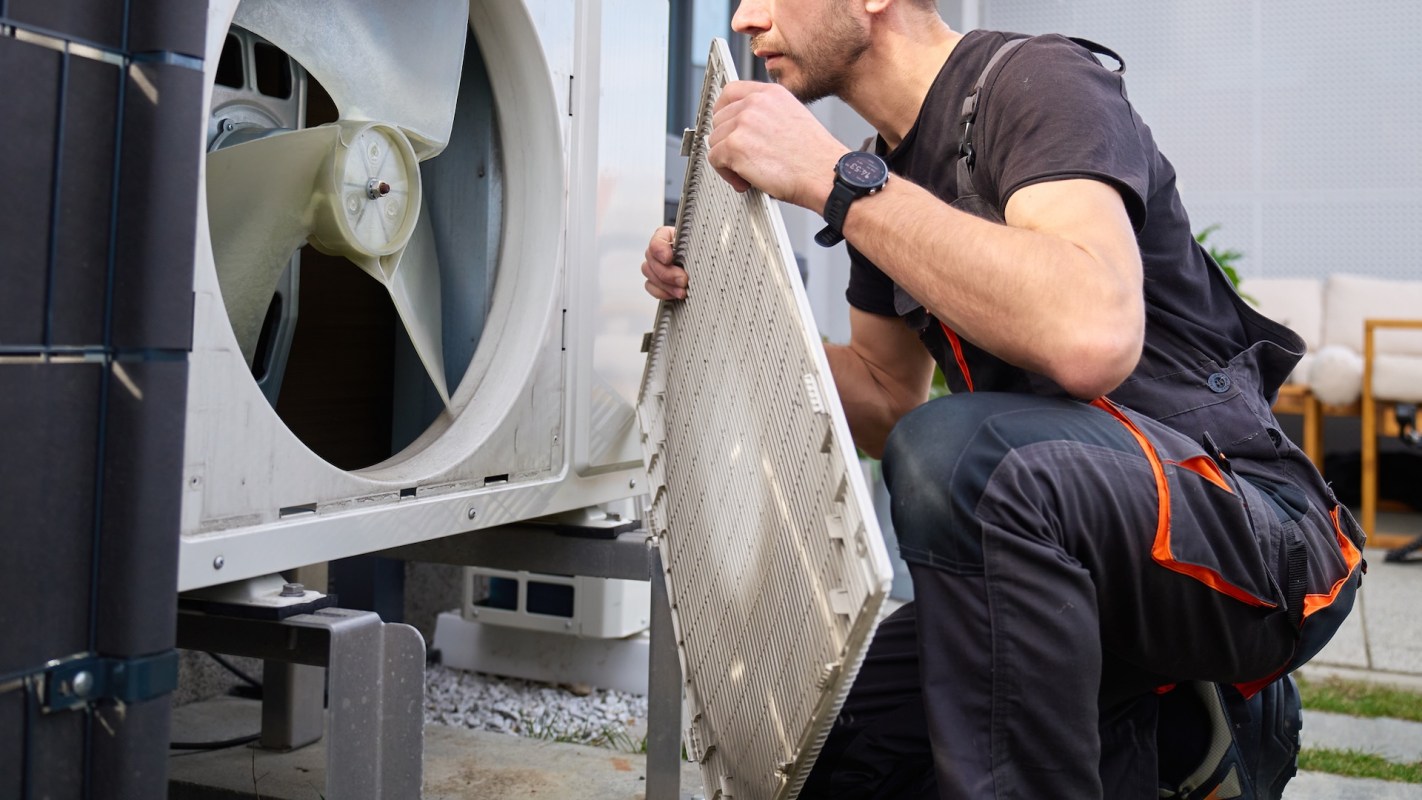
Michigan has room for 3.6 million residential heat pumps, which could lower residential electricity rates by up to 27%, and switching to efficient electric heating and cooling wouldn't be required to share in the potential savings.
Here's what to know
Clean energy think tank RMI examined 24 states and Washington, D.C., with substantial unused winter grid capacity, according to Canary Media. The findings suggested that widespread adoption and costly grid expansion didn't need to go hand in hand.
Along with their climate and air quality benefits, heat pumps offer a way to put unused winter grid capacity to work. Their summer role is largely to replace less-efficient air conditioners; across much of the country, hot summer afternoons are when electricity demand is highest.
Across the areas studied, RMI found that installing as many heat pumps as existing grid capacity could support could yield an average 13% reduction in residential electricity prices relative to their inflation-driven trajectory. That amounts to about $200 annually per customer, with Michigan showing substantially greater potential rate reductions.
More background
Electricity rates cover more than the power households use. They also pay for poles, wires, transformers, power plants, and utility profits. Greater winter electricity use could spread those costs across more kilowatt-hours without requiring additional grid capacity.
The estimates, however, point to potential outcomes rather than firm forecasts. Researchers lacked the utility-specific data needed to refine their results, and lower electricity rates don't necessarily mean smaller bills for households switching heating systems.
TCD Picks » Quince Spotlight
💡These best-sellers from Quince deliver affordable, sustainable luxury for all




Parth Vaishnav, an assistant professor who teaches sustainable systems at the University of Michigan, co-authored a 2024 study that found replacing gas with a heat pump could increase some households' annual bills by more than $1,000 at the time's fuel prices, according to Canary Media.
RMI didn't calculate how bills would change for households making the switch. Those costs depend on insulation, equipment efficiency, the heating system being replaced, and relative fuel prices.
What can be done?
Existing oil and gas heaters could take over during the coldest hours rather than leaving that work to heat pumps. RMI found that this arrangement would let more heat pumps fit within the grid's current capacity.
In Illinois, the modeled mix that maximized existing grid capacity and reduced rates consisted of 79% hybrid systems and 21% heat-pump-only systems, Canary Media reported.
That approach could deliver deeper pollution reductions than installing fewer heat pumps. Some units rely on electricity-hungry resistance backup heat, which limits how many systems the grid can support without expansion.
Vaishnav suggested requiring replacement central air conditioners to be heat pumps while leaving existing furnaces in place. Another option would be to encourage manufacturers to produce two-way heat pumps instead of cooling-only equipment.
Regulators could also encourage adoption by lowering winter electricity rates for households with heat pumps. That approach produced savings of at least $37 million for Massachusetts customers using heat pumps during the winter, according to Canary Media. RMI found that encouraging adoption this way could benefit other customers, too.
Still, the longer-term goal is to heat homes without non-renewable energy.
"Our hope is that over the coming years, the economic case to go for an all-electric heat pump starts to be more affordable over time," Ryan Shea, a co-author of the study and a manager with RMI's carbon-free buildings team, said, per the report.
Where can I learn more?
These articles add context on how winter electricity discounts and heat pump efficiency can affect what households pay for energy.
• Two Massachusetts utilities cut winter rates for heat pumps, prompting interest in Connecticut.
• A heat pump owner weighed modern equipment's electricity savings before sizing a solar installation.
• U.S. heat pump sales doubled in 15 years and now outpace gas furnaces.

Get TCD's free newsletters for easy tips, smart advice, and a chance to earn $5,000 toward home upgrades. To see more stories like this one, change your Google preferences here.






