


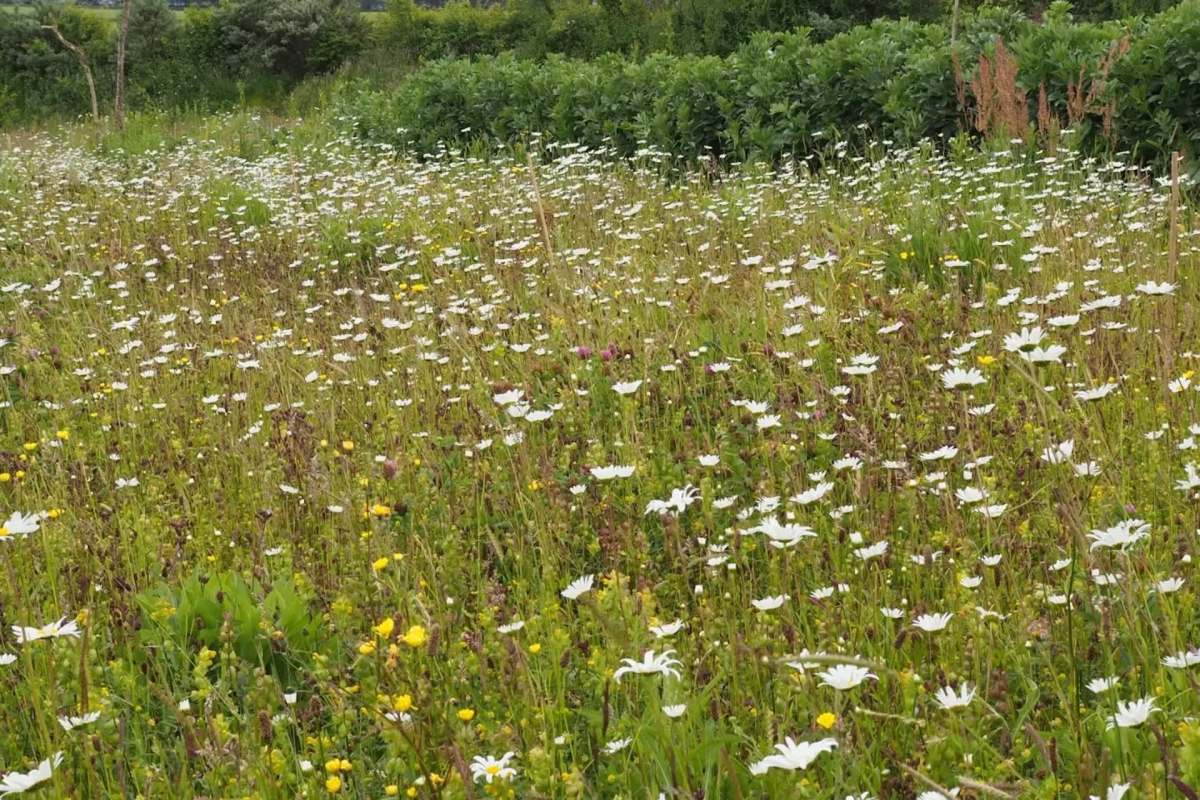
With gardens and lawns taking a beating from heat waves, drought, and other bouts of extreme weather, meadows are emerging as one of the landscaping styles holding up best.
What's happening?
On Instagram, creator Joshua Sparkes (@joshua_sparkes) recently singled out meadows as a rare landscaping approach that still appears to be doing well through a brutal stretch of extreme weather.
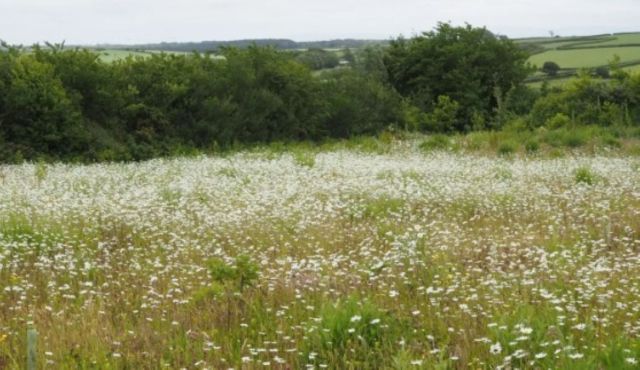
Sparkes suggested in the post that meadow-style landscapes are faring better than conventional lawns and intensively maintained planting beds.
He wrote that meadows "have seemed to be one of the few things to thrive this season."
That observation lines up with a growing shift in how homeowners, designers, and cities are thinking about outdoor spaces as hotter temperatures and water stress become harder to ignore.
"Our meadow was created over 5 years ago now through heavy harrowing and seeding with a mix from both the wildlife trust and Emorsgate to top up the amount," Sparkes wrote.
TCD Picks » Quince Spotlight
💡These best-sellers from Quince deliver affordable, sustainable luxury for all




Meadow plantings usually rely on a varied selection of tough species, rather than the constant mowing, watering, fertilizing, and pesticide use that often prop up more conventional landscapes, which can help them handle shifting weather more effectively.
Their design is usually less about uniform appearance and more about resilience. Sparkes noted how meadows are even "one of our oldest forms of farming."
Meadows can be especially appealing during summers when expensive, water-hungry lawns struggle to stay green.
How is this helpful?
Traditional lawns can be costly and time-consuming to maintain.
Grass-heavy yards often require regular watering, mowing, and chemical treatments, all of which can add up on utility bills and become a chore to take care of.
By contrast, meadow-inspired spaces may cut water bills, reduce maintenance, and reduce spending on products like fertilizers.
They can also create a thriving habitat for pollinators and other wildlife, which is especially important at a time when biodiversity is under pressure in many parts of the world.
Landscapes centered on regionally adapted species can hold steadier through erratic weather, and plants with deeper roots are often better able to ride out both heat and drought.
A partial lawn replacement can still deliver meaningful benefits.
Swapping out just part of a thirsty lawn can save money, reduce upkeep, and make outdoor spaces more resilient.
What can I do?
If your yard struggles every summer, there are several lower-maintenance alternatives worth considering.
Native plants are a strong option because they are generally adapted to local rainfall and temperatures.
Clover can stay green with less fuss than standard turf, and buffalo grass offers a drought-tolerant lawn alternative in many regions.
Xeriscaping is another practical route, especially in dry climates.
That approach focuses on designing landscapes that use far less water, often by combining native plants, mulch, stones, and efficient irrigation where needed.
For anyone interested in moving away from a traditional lawn, rewilding your yard or upgrading to a natural lawn can make your space friendlier to wildlife.
Replacing one section of grass, adding a pollinator patch, or converting a hard-to-maintain corner into a meadow-style planting can still deliver meaningful benefits.
Sparkes also said, "The meadow is purely a horticultural one for biodiversity, and the hay gets used to mulch potatoes and trees."

Get TCD's free newsletters for easy tips, smart advice, and a chance to earn $5,000 toward home upgrades. To see more stories like this one, change your Google preferences here.






