


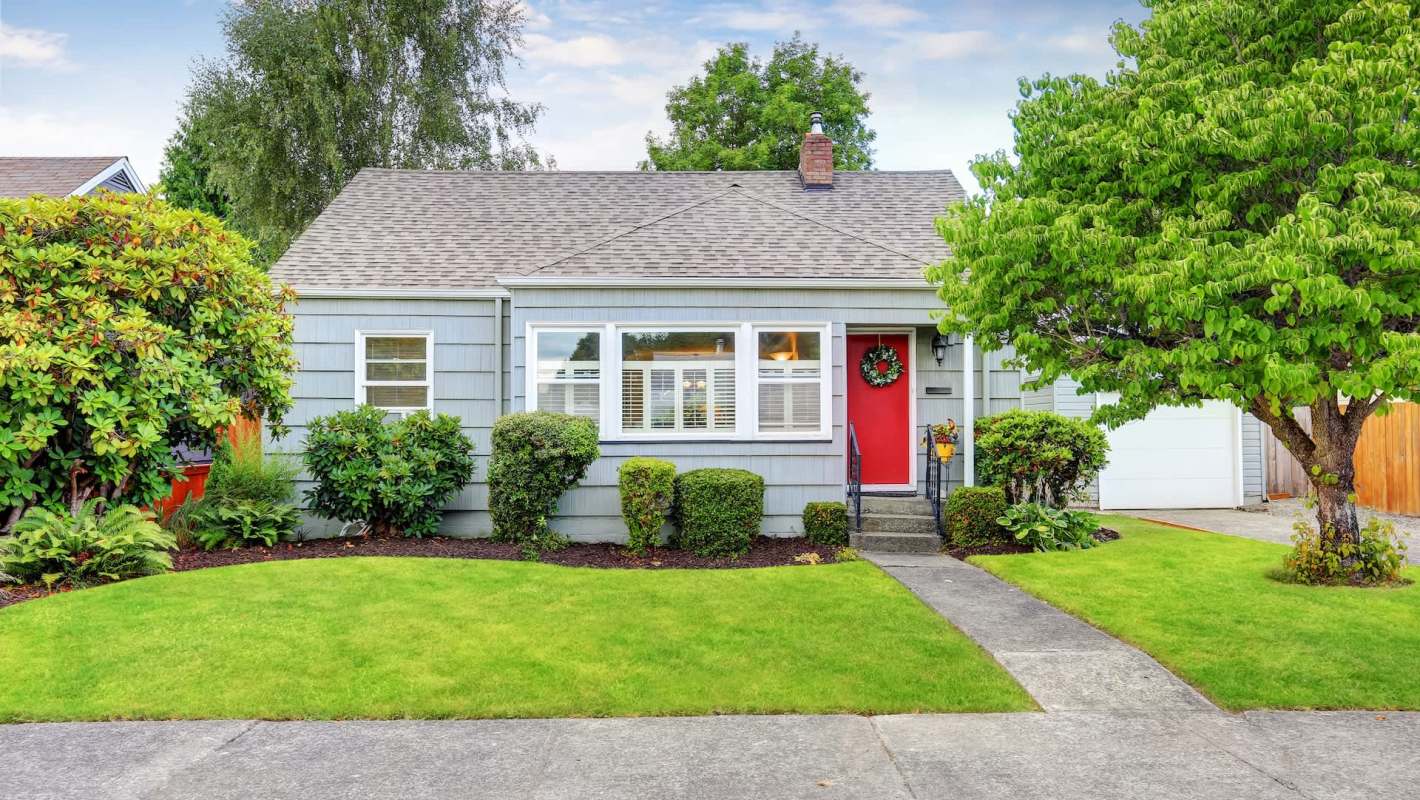
Massachusetts voters are considering a statewide zoning change that could make it legal to build modest homes that are common in older neighborhoods but barred in many places elsewhere.
The debate comes as high housing costs continue to frustrate many adults in the state.
Here's what to know
According to NPR, the plan would force many municipalities to allow detached houses on parcels as small as 5,000 square feet, about the footprint of a basketball court.
If approved, the ballot question would set aside local minimum lot-size requirements in communities with water and sewer service, requiring them to allow smaller single-family homes. That could add badly needed starter homes, but Boston is exempt because it uses its own zoning system.
In North Braintree, Massachusetts, housing economist Andrew Mikula highlighted century-old houses — including some around 1,000 square feet — to show the kind of modest homes older neighborhoods already contain.
Mikula, who is helping to run the campaign, said, "With modern zoning, these homes are illegal to build today."
TCD Picks » Quince Spotlight
💡These best-sellers from Quince deliver affordable, sustainable luxury for all




For renters like Jamie Sharken, 34, the question lands in a market where buying feels remote. She lives near Lexington with three housemates and said, "It's really hard to find housing, it's extremely expensive, and I can't afford to live alone."
Sharken grew up in Massachusetts but doesn't feel she'll ever be able to afford to buy a home there.
Backers of the measure contend that too little housing is being built. Across much of Massachusetts, single-family zoning typically requires lots of about 40,000 square feet — roughly an acre — which raises home prices and limits smaller, cheaper options.
More background
Beyond individual buyers, the issue is tied to the state's broader economic and demographic challenges. Mikula said costly housing is pushing younger workers and relatives away, separating families and hurting local economies.
Jesse Kanson-Benanav, executive director of Abundant Housing Massachusetts, said the shortage amounts to "an existential crisis" across age groups, according to NPR. He cited an estimate that 400,000 young adults in Massachusetts live with their parents, and said many older residents cannot find the "moderate-sized and reasonably priced homes" they would need to downsize in the same community.
However, some have said that legalizing smaller lots does not guarantee true affordability. Jill Hai, a Lexington Select Board member, noted that a renovated home on a parcel small enough to qualify under the proposal was listed at nearly $1.3 million — less than the town's median home value, but still far beyond what most people would see as a starter house.
Local government groups are also focused on utility capacity and cost. Adam Chapdelaine, executive director of the Massachusetts Municipal Association, said some towns already face expensive sewer and water projects and fear the measure could "completely upend those plans" or leave current ratepayers to absorb more of the expense.
What's being done?
The ballot push comes after other state-level housing policy changes. NPR reported that lawmakers have required multifamily zoning near transit, allowed accessory dwelling units wherever single-family homes are permitted, and dedicated billions to public and lower-income housing. Kanson-Benanav called the smaller-lot ballot question "one strategy among many."
Similar policies are gaining traction elsewhere, too. After Texas moved in 2025, Kansas, Maine, and Idaho adopted smaller minimum lot sizes in 2026. Tobias Peter of the American Enterprise Institute said, "Five thousand is a good start, and in our opinion it should be lower."
NPR cited AEI research suggesting builders produce more starter homes on smaller lots in lower-cost areas. Peter said the math is far tougher near a major metro area like Boston, where even an entry-level house in Massachusetts could still run $500,000 or more because the shortage is so acute.
Some people are assessing the measure in terms of changes they might make on their own property. At a Weymouth Democratic Town Committee meeting, Susan Donovan said she has thought about putting a smaller home on her lot and letting her children use the bigger house.
Donovan said the idea appeals to her for everyday reasons as much as ideological ones: "We don't need all the big land anymore. We don't want to mow it anymore, right? Small sounds good to me."
Where can I learn more?
Lawmakers and communities elsewhere are wrestling with similar questions about where to build smaller, more affordable homes.
• In California, lawmakers advanced fast-tracked infill housing to steer development toward existing neighborhoods.
• In Baltimore, tiny homes for families are offering lower-cost paths to ownership.
• Across cities, sleek micro-apartments in high demand are reshaping how young professionals live.

Get TCD's free newsletters for easy tips, smart advice, and a chance to earn $5,000 toward home upgrades. To see more stories like this one, change your Google preferences here.






