


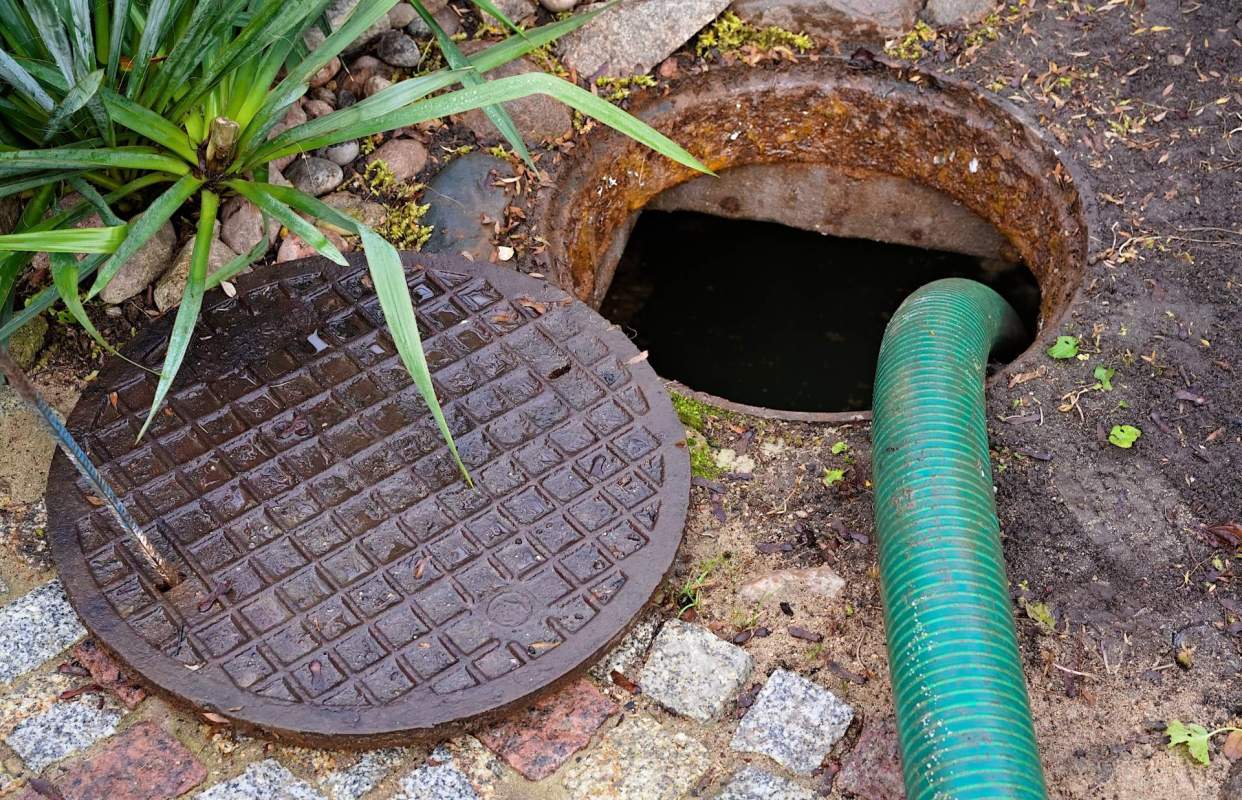
A state fine for wastewater violations has done little to reassure residents of Berkshire Village in Cheshire, Massachusetts, who say they still don't know whether long-running septic and water problems at the mobile home park will be fixed.
Here's what to know
According to iBerkshires, state environmental regulators issued the park owner an enforcement order on September 2. Town property records show the company purchased the park in December 2022.
State officials cited a range of issues, including failing subsurface sewage systems, unfinished repair work, missed inspection requirements such as Title 5 paperwork, problems transferring permits, and other outstanding compliance matters.
The order includes a $6,742.60 penalty. The owner must pay $3,000 within 30 days, while the remaining $3,742.60 will be suspended if the company fulfills the order's requirements.
The order also says the company could face additional fines if it falls short, starting at $100 per day and increasing if violations continue.
William Moreau, president of the Berkshire Village Tenants Association, told iBerkshires.com that residents still have not received a firm timeline for when the remaining work will be finished.
TCD Picks » Quince Spotlight
💡These best-sellers from Quince deliver affordable, sustainable luxury for all




"The stress level here is extremely high. People are stressed out. We want some resolutions. We want to go into the winter months, knowing that at least this company is going to give us a place to live that's safe," Moreau said.
More background
State regulators acted after residents complained about worsening conditions at the park.
Residents say unsafe conditions involving septic systems, electricity, water, and roads have continued for nearly a decade, including under prior ownership.
Residents need dependable basic services. Moreau said tenants want "safe roads and a usable safe septic" and water "that we can drink that is not an issue health wise."
Moreau added that some residents reported odors inside their homes, while others said their water contained sand or sediment.
He also said residents who raised concerns were referred to the management company and later faced attempts to enforce rules they believed didn't apply.
What's being done?
Crown Communities property manager Alexander Cabot said the owner has spent heavily to address the problems, focusing particularly on the wastewater and drinking water systems.
Cabot said the company has spent millions. "We've been opening our checkbooks almost every week to write checks to fix things," Cabot said. He and another manager have been on site during the week alongside a local contractor, engineers, and consultants, and that the company hopes to complete the septic work.
Moreau said crews have installed peat modules, pumps, and piping, but he said the project is not finished yet.
Cabot said the company is doing weekly water testing to stay in compliance with the state, and it is still reviewing residents' reports of sand and sediment.
He also said the electrical infrastructure work is complete, except for one pole that National Grid is expected to replace.
Moreau said the tenants association is weighing whether to bring in an independent water expert to assess the problems, though that would be expensive for the volunteer-run group.
He also said DEP extended the original 30-day timeline in the order by 45 days.
Moreau said, "Home should be the place where we can go, where we are stress free, where we have quiet time to ourselves, and right now it's not."
Where can I learn more?
Residents in other mobile home communities have reported similar problems with water, wastewater, and other basic services.
• In Pennsylvania, one resident finally got well water testing after neighbors said sickness was spreading.
• In Muskogee, Oklahoma, families hauled water after $11,000 bills led to a three-day shutoff.
• In New York City, tenants went without heat and hot water as winter approached.
• In Kentucky, tenants won a delayed water shutoff but said mold and repairs persisted.
• In Iowa, residents said private equity bought the park and shifted utility costs onto them.

Get TCD's free newsletters for easy tips, smart advice, and a chance to earn $5,000 toward home upgrades. To see more stories like this one, change your Google preferences here.






