


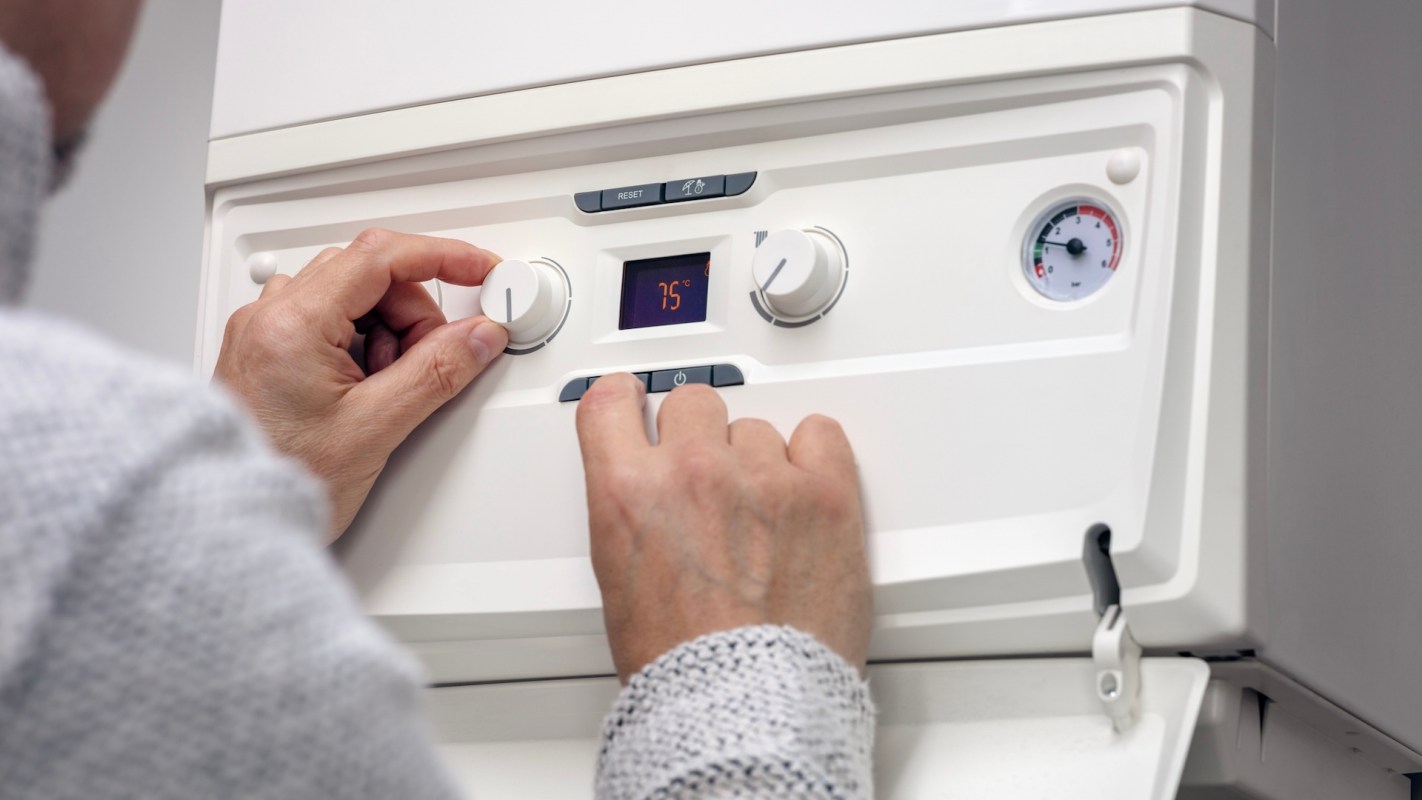
Rising heating costs prompted one Massachusetts homeowner with both an oil boiler and a mini-split heat pump to ask which system should carry most of the load.
Here's what to know
Posting in a discussion on Reddit, the homeowner described the setup and the dilemma, writing, "We live in Massachusetts, have a oil boiler and a heat pump/mini split." They also added, "We have a $700 utility credit from Eversource electric bill from solar overproduction," before asking how to handle heating "with oil being so expensive."
The overall advice was to use the heat pump for as much of the winter as it can comfortably handle and keep the oil system available for outages or the coldest stretches.
One commenter, after working through the cost comparison, summed it up, writing, "At the U.S. average electricity prices and $4.69 heating oil, the heat pump is the cheapest option down to the lowest temperature it's rated for (just not beyond)."
Not everyone thought a national-average calculation settled the issue, though. One commenter pointed out, "Electric in MA is more like $0.34/kWh." That matters because local power prices, insulation, equipment performance, and the outdoor temperature all affect whether the heat pump or boiler is the cheaper choice at any given time.
For homeowners trying to sort through those tradeoffs, Palmetto can help homeowners understand their HVAC options and slash their energy bills with new, efficient HVACs and heat pumps. Its Comfort Plan network can help connect people with vetted installers and efficient heating and cooling solutions for their homes.
More background
This kind of dual-fuel decision is becoming more common as more households add solar panels, battery backup, and high-efficiency electric appliances. Heat pumps can be especially attractive because they do not generate heat the way a boiler or resistance heater does — they transfer warmth instead, which can make them far more efficient under the right conditions.
That efficiency can lead to meaningful savings, particularly when paired with rooftop solar. In this case, the homeowner's electric credit changes the short-term equation by allowing more electricity use without immediately increasing the bill.
Save $10,000 on solar panels without even sharing your phone number Want to go solar but not sure who to trust? EnergySage has your back with free and transparent quotes from fully vetted providers in your area. To get started, just answer a few questions about your home — no phone number required. Within a day or two, EnergySage will email you the best options for your needs, and their expert advisers can help you compare quotes and pick a winner. Solar panels can save you more than $50k over their 25-year lifespan, and EnergySage can help you save as much as $10k on installation. Which begs the question — isn't that worth an email or two? |

For people considering a larger home-energy upgrade, pairing solar panels with electric appliances can drive costs down even further. EnergySage makes it easy to find the best solar system and installer for your home and budget, with potential savings of up to $10,000 on installations.
What can be done?
A straightforward strategy suggested in the thread was to let the heat pump take the lead when it is still running efficiently, while keeping oil ready for the times it is needed most.
Utility pricing could further change the answer. If Eversource has a heat-pump-specific rate or discount available, that may improve the economics even more. In Massachusetts, where electricity can be expensive, programs like that may make a bigger difference than homeowners expect.
If you're interested in upgrading but not ready to spend up front, Palmetto's Comfort Plan includes $0-down options that can lower your heating and cooling costs by up to 50%. Palmetto Comfort Plans also include 12 years of free maintenance, which can help homeowners avoid surprise service costs while improving efficiency over time.
Where can I learn more?
If you're comparing heat pumps with oil or looking for ways to cut winter heating costs, these stories offer a closer look at the same tradeoffs. They cover upgrade costs, cold-climate performance, and backup-fuel decisions.
• Massachusetts homeowners found the pricier option might be keeping a 1950s oil system.
• In Maine, heat pumps changed the home-heating game across oil-reliant communities.
• In Minnesota, one homeowner liked the sub-zero heat pump data but still kept propane backup.

Get TCD's free newsletters for easy tips, smart advice, and a chance to earn $5,000 toward home upgrades. To see more stories like this one, change your Google preferences here.






