


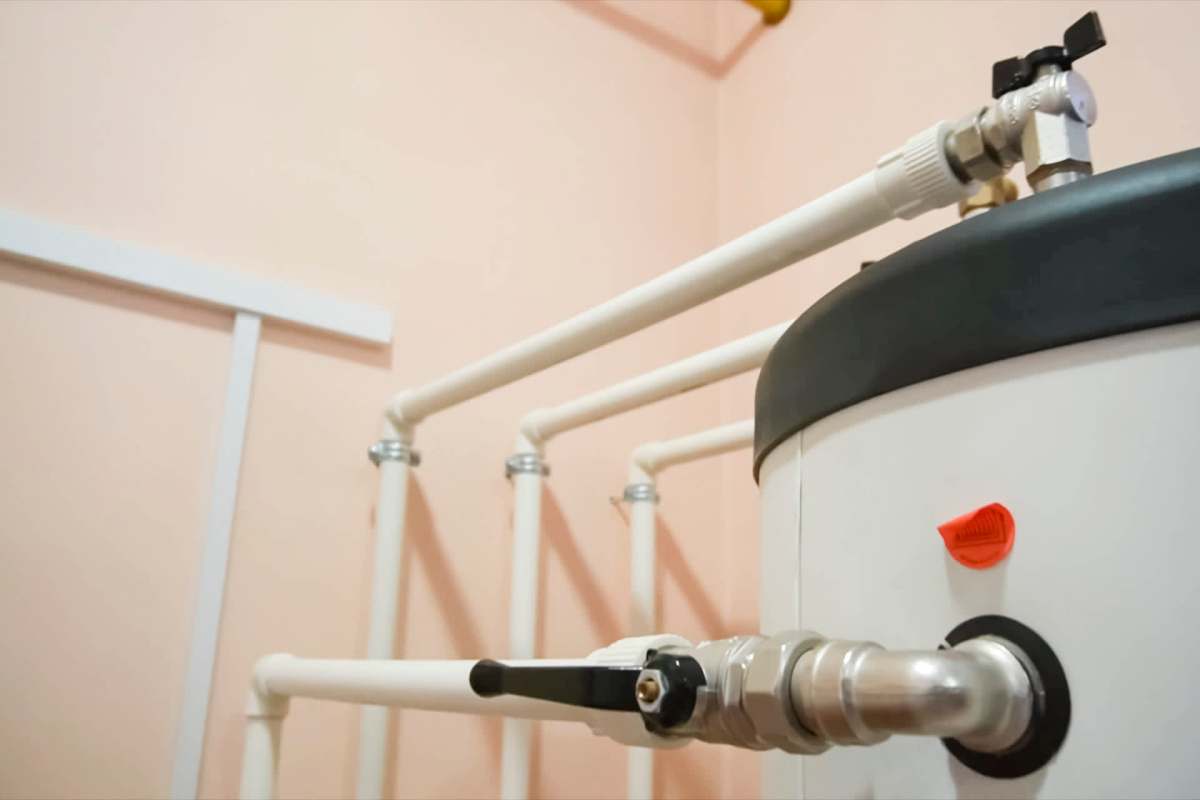
A Maryland homebuyer weighing water heater options ran into a potentially costly complication: Keeping three showers running at once could require two tankless units instead of one.
The buyer had budgeted around $2,000 to $2,500 for a tankless water heater, but a Reddit commenter suggested that a single unit might not meet the household's needs.
Here's what to know
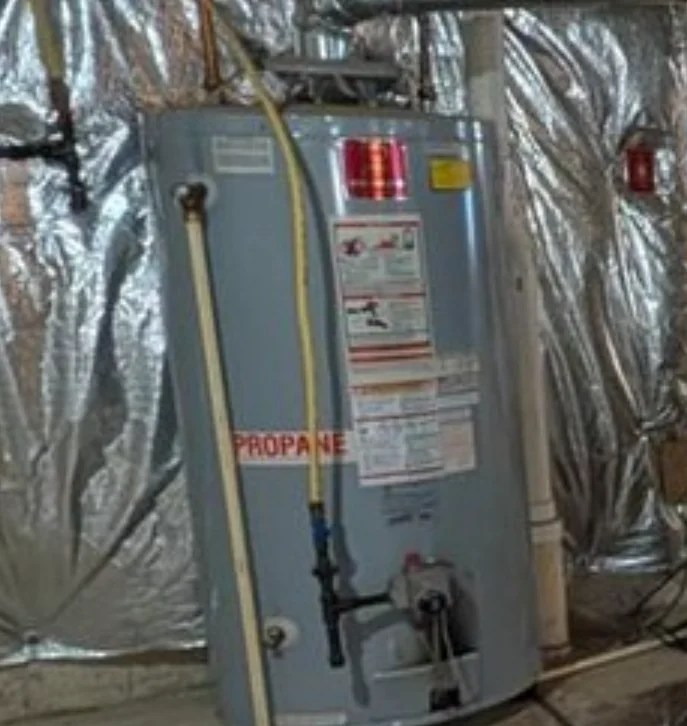
The foreclosed property had a 2007 gas water heater in its basement. The buyer asked Reddit's r/askplumbing community whether to keep using gas or switch to a heat pump water heater.
The buyer's spouse planned to use a soaking tub almost every day, and the three children would bathe either together or one after another. Those routines would create substantial demand for hot water.
"If no big rebate, tankless gas seems like an obvious choice but not sure if that big electric rebate swings things the other way?" the buyer wrote.
A typical shower uses roughly 2 gallons per minute, according to a commenter. The commenter estimated that a 199,000-Btu tankless unit would supply about 5 gallons per minute during a Maryland winter.
Heat pump water heaters move heat into water, reducing the electricity needed for heating.
More background
Using Lowe's prices as a rough equipment-cost guide, the buyer priced an 80-gallon heat pump model at $2,200 to $2,800. The gas options were a 98-gallon tank without power venting for $2,098 or a 75-gallon power-vent tank for $1,799.
Crushed by your bills? See instant solar savings from vetted installers in just a few clicks With energy prices through the roof, there's never been a better time to go solar — and EasyHome can help you find the best prices from the best installers in your area. EasyHome takes the guesswork and headaches out of energy upgrades by showing you estimated savings from a network of vetted local partners. To get started, just enter your ZIP and share a few details about your home — seeing your estimate is really that easy. |

A possible $1,600 heat pump rebate from Maryland or the electric company could bring the listed equipment cost down to $600 to $1,200 before installation. The buyer also raised the possibility of needing an electrical-panel upgrade.
The basement had ample open room for a heat pump's airflow needs.
The buyer also mentioned a possible smaller rebate through the gas supplier or state gas association. The home used an individual meter for gas supplied by neighborhood liquefied petroleum tanks.
What can be done?
The same commenter who suggested a tankless water heater also said that a recirculation line was useful but optional; the buyer had already anticipated that added expense. For the household's expected bathroom demand, they recommended installing two tankless gas heaters.
For households weighing the heat pump route, Cala offers configurable smart heat pump water heaters. Matching water-heating schedules to household demand can help reduce energy use and bills. In a home expecting back-to-back baths and frequent soaking-tub use, those demand patterns provide a practical starting point for configuring when the system heats water. That scheduling flexibility is part of Cala's appeal.
A parallel connection would let the two heaters work together. Alternatively, each heater could serve a separate group of bathrooms.
Asked about the two arrangements, the commenter favored connecting the heaters: "You can do it either way. I'd recommend doing them in parallel, they communicate with each other to work well in that way. the Rinnai's do the same thing."
Where can I learn more?
Other homeowners considering tankless water heaters have run into similar concerns about meeting demand and paying for installation. These stories cover sizing for multiple bathrooms, gas-supply limits, replacement quotes, and potential electrical upgrades.
• An Illinois homeowner considered a second tankless heater, but gas capacity could prevent the upgrade.
• In Florida, pros warned that a 6.8-gpm tankless heater was too small for two baths.
• A homeowner received a $4,200 replacement quote for a 75-gallon heater and considered paying more for tankless.
• A $3,000 tankless installation estimate sparked debate over whether long-term savings justified the cost.
• A homeowner considering electric tankless learned that a pricey panel upgrade could be necessary.

Get TCD's free newsletters for easy tips, smart advice, and a chance to earn $5,000 toward home upgrades. To see more stories like this one, change your Google preferences here.






