


As temperatures climb across Maryland, air conditioning can drive monthly power charges much higher. Even so, residents may have more ways to trim those expenses than they expect.
What's happening?
According to The BayNet, Maryland offers households multiple paths to lower summer electric expenses, from direct bill assistance to rebates and efficiency upgrades.
Applications for utility support are accepted throughout the year by the state's Office of Home Energy Programs, which administers the Maryland Energy Assistance Program and the Electric Universal Service Program.
Eligible renters and homeowners with at least $300 in unpaid utility debt may also be able to use Arrearage Retirement Assistance. That program can pay up to $2,000 toward overdue electric bills and as much as $1,000 toward overdue gas bills. It is typically available once every five years.
A Maryland Department of Housing and Community Development program can, for some households, repair or replace broken heating, air conditioning, and water-heating equipment at no charge. It is aimed at residents earning up to 200% of the federal poverty level, and waitlists can apply.
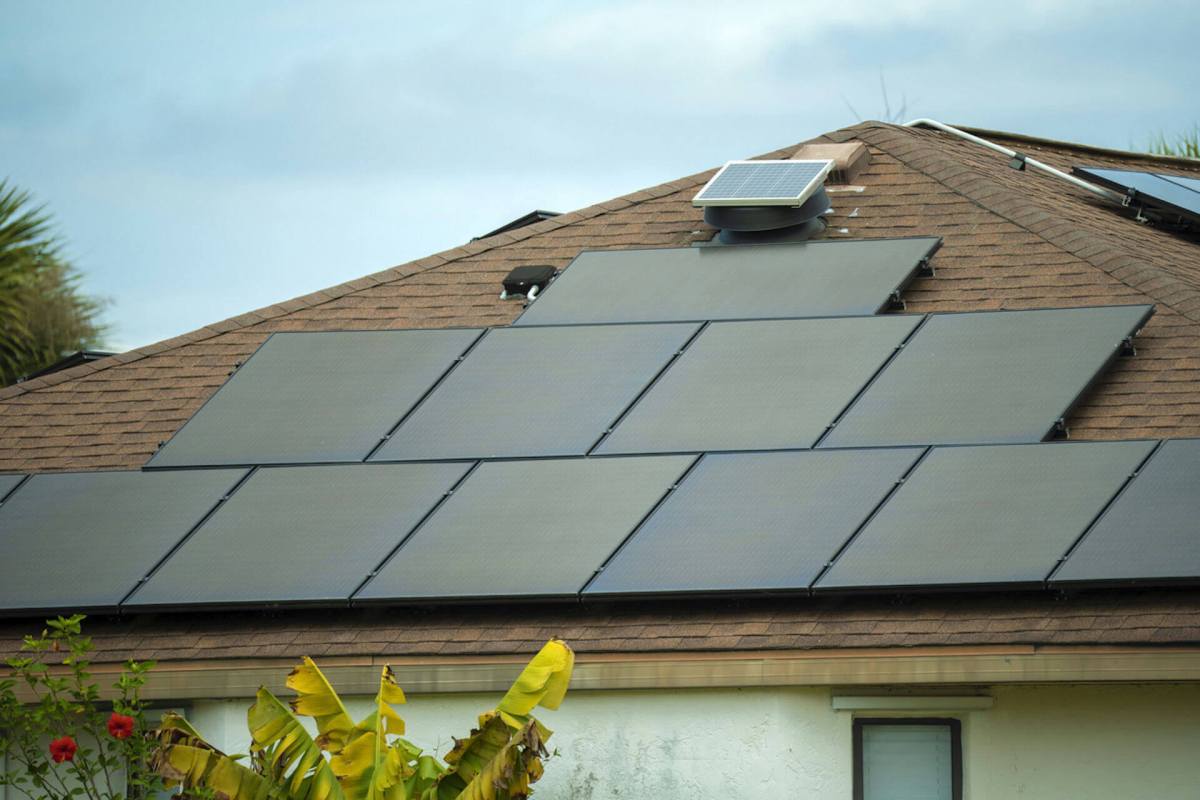
For households thinking beyond one summer, going solar is one of the best ways to save money on home energy over time. You can use EnergySage to get quick solar installation estimates and compare quotes from installers.
Why does it matter?
High summer power bills can put serious pressure on household budgets, especially for families already juggling rent, groceries, and transportation.
Utility-backed efficiency programs can reduce electricity use month after month while easing strain on the grid during peak summer demand.
Save $10,000 on solar panels without even sharing your phone number Want to go solar but not sure who to trust? EnergySage has your back with free and transparent quotes from fully vetted providers that can help you save as much as $10k on installation. To get started, just answer a few questions about your home — no phone number required. Within a day or two, EnergySage will email you the best local options for your needs, and their expert advisers can help you compare quotes and pick a winner. |

Some of the available savings come directly from utility programs. Southern Maryland Electric Cooperative offers a free home energy review, a no-cost HVAC tune-up, smart thermostat rebates worth up to $75, and bill credits through its Switch2Earn program.
Baltimore Gas and Electric provides rebates of up to $100 for certain smart thermostats, up to $1,600 for qualifying heat pump water heaters, and roughly $3,000 on average for eligible whole-home efficiency upgrades.
What can I do?
Small changes in routine can also chip away at summer energy use. Residents can reduce demand by closing blinds during the hottest hours or delaying dishwashing or laundry until cooler parts of the day.
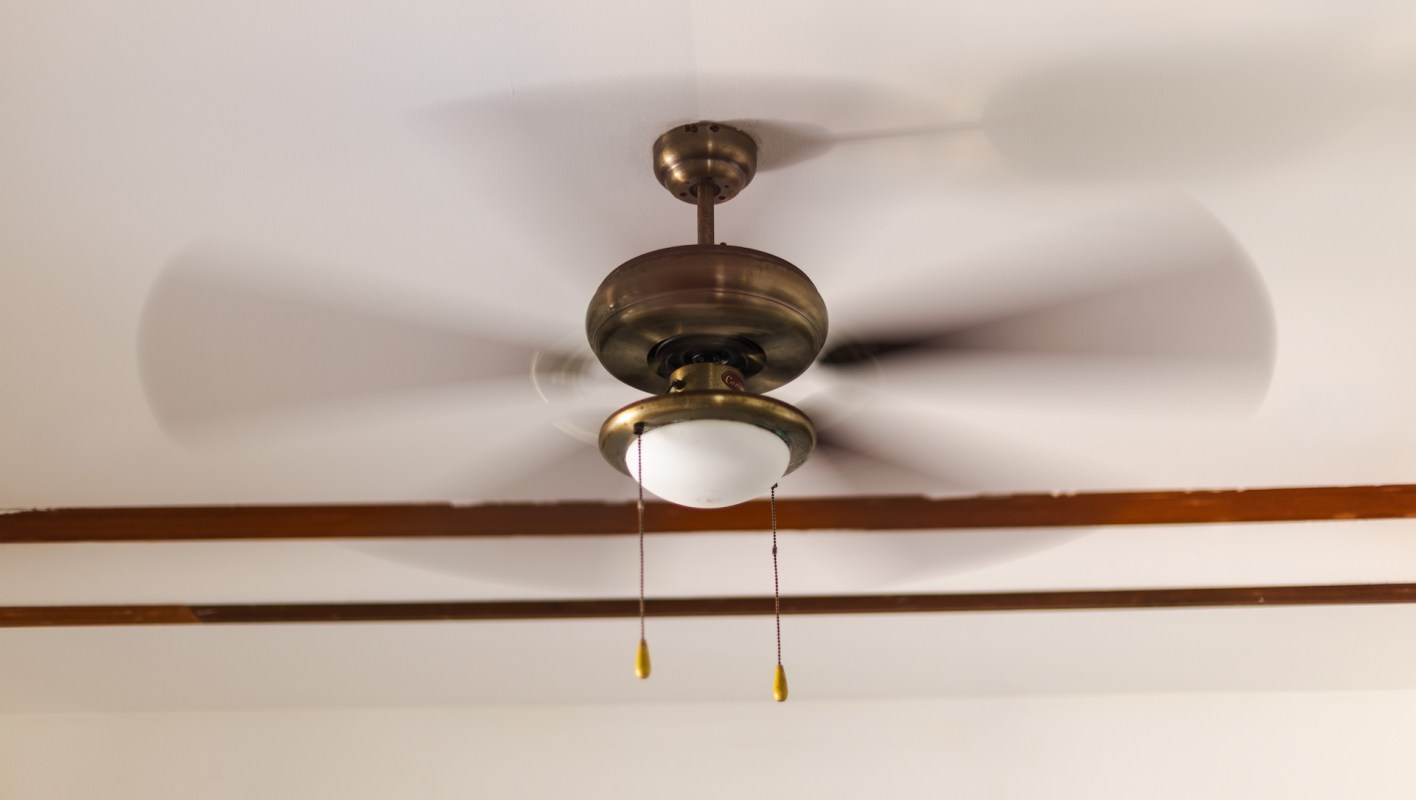
Using ceiling fans, sealing drafts, and shutting off electronics that are not in use may help as well.
More From EnergySage
💡Go deep on the latest news and trends shaping the residential solar landscape


For residents ready to make a bigger change, it may be worth contacting their utility about a home energy audit or rebate-eligible equipment before making a purchase. Those programs can help identify which improvements are most likely to pay off, including insulation, air sealing, efficient cooling systems, or smart thermostats.
EnergySage's free services can also make the math easier for homeowners considering solar. With EnergySage's help, a person can save up to $10,000 on average on solar purchases and installations.
The company's solar map shows the average cost of a home solar panel system by state, along with details on state-specific solar panel incentives. Together, these resources can help you get the best price for rooftop solar panels and access available incentives.
Adding battery storage to a solar setup is one of the best ways to protect your home during outages, save money on energy, and go off grid. It can also help you store extra power for later use when electricity prices are higher or the grid goes down.
To learn more, explore EnergySage for free information about home battery storage options, including competitive installation estimates.

Get TCD's free newsletters for easy tips, smart advice, and a chance to earn $5,000 toward home upgrades. To see more stories like this one, change your Google preferences here.






