


A power outage at Washington Suburban Sanitary Commission Water's Potomac Water Filtration Plant pushed nearly 2 million Maryland customers into conservation mode, and now officials are urging households to keep a three-day emergency water supply at home.
Here's what to know
At the "Imagine a Day Without Water" preparedness event, WSSC Water joined Maryland environmental and emergency management leaders, county preparedness officials, and local fire departments to talk through water-service disruptions.
The renewed push came two weeks after the Potomac plant lost power and told about 1.9 million customers in Montgomery and Prince George's County to restrict water use to essentials, as The MoCoShow reported. The water stayed safe to drink, and service did not stop, but the disruption was still felt across both counties.
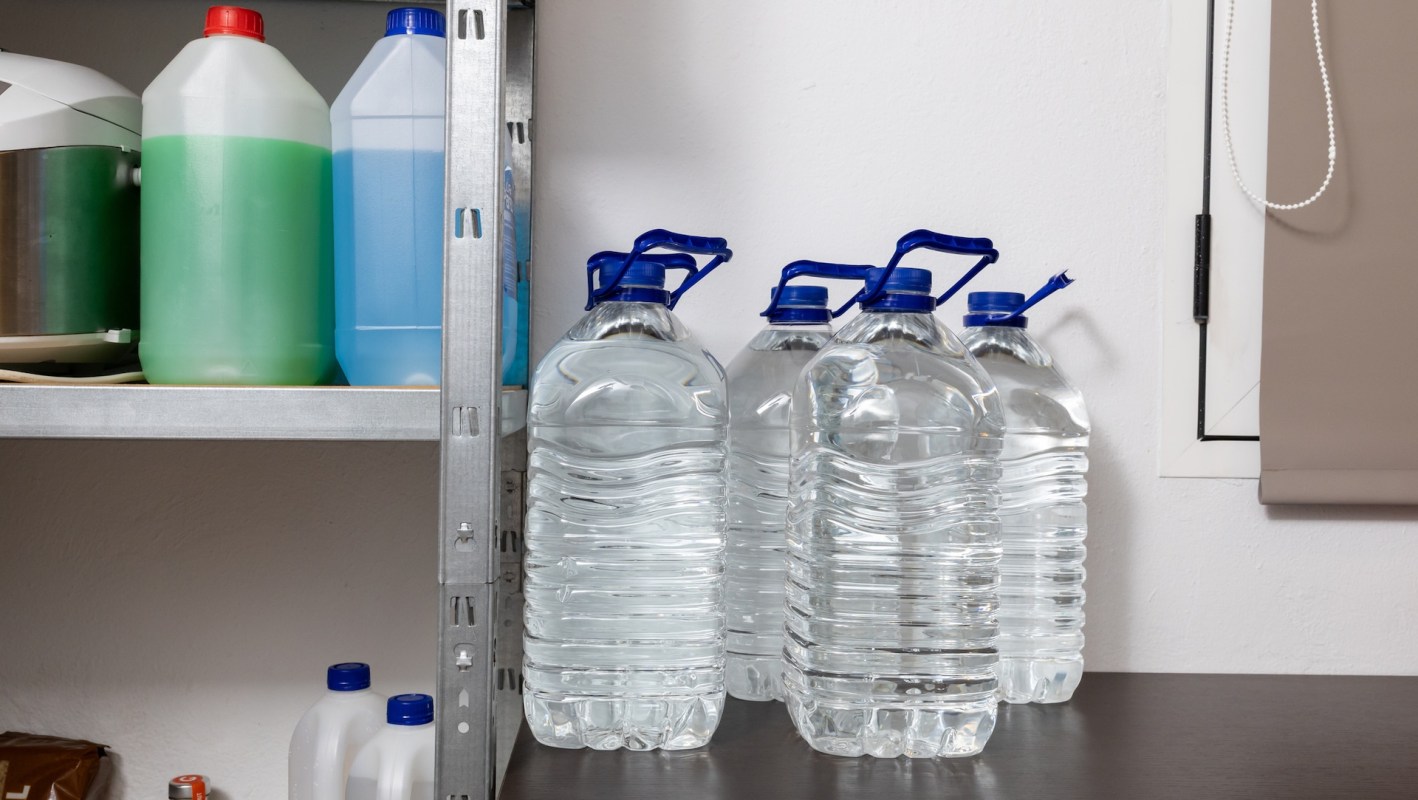
For emergency storage, officials said residents should aim for at least one gallon per person per day, with extra set aside for pets, so households are less reliant on emergency distribution if service is disrupted again.
More background
WSSC Water General Manager and CEO Kishia L. Powell thanked customers for conserving during the Potomac outage and credited WSSC Water employees with restoring power and maintaining service. Even with the essential-use request in place, the system continued delivering water.
WSSC Water said Serena McIlwain, Maryland's environment secretary, warned that infrastructure emergencies can still happen despite round-the-clock work by utility crews. In her view, a power problem elsewhere in the system is exactly why households should plan ahead and keep extra water available.
TCD Picks » Quince Spotlight
💡These best-sellers from Quince deliver affordable, sustainable luxury for all




Division chief Zach Estess of Montgomery County's Office of Emergency Management and Homeland Security said, "Even with plans and supplies in place, it would be challenging to meet the water needs of Montgomery County's over one million residents, which is why it is essential that everyone set aside their own supply for three days."
What can be done?
Officials said households should treat water like any other emergency essential and build a small reserve before the next outage to get ahead of it, rather than having to panic buy or wait for public distribution.
Estess said being prepared will allow emergency officials to focus resources on people and facilities unable to do so themselves, such as nursing homes, assisted living and rehabilitation facilities, hospitals, and shelters.
"What happened at our Potomac Plant is not unique to WSSC Water," Powell said, per The MoCoShow. "Across the country, water utilities have become accustomed to operating on the brink of crisis as decades of underinvestment in critical infrastructure take their toll."

Get TCD's free newsletters for easy tips, smart advice, and a chance to earn $5,000 toward home upgrades. To see more stories like this one, change your Google preferences here.






