


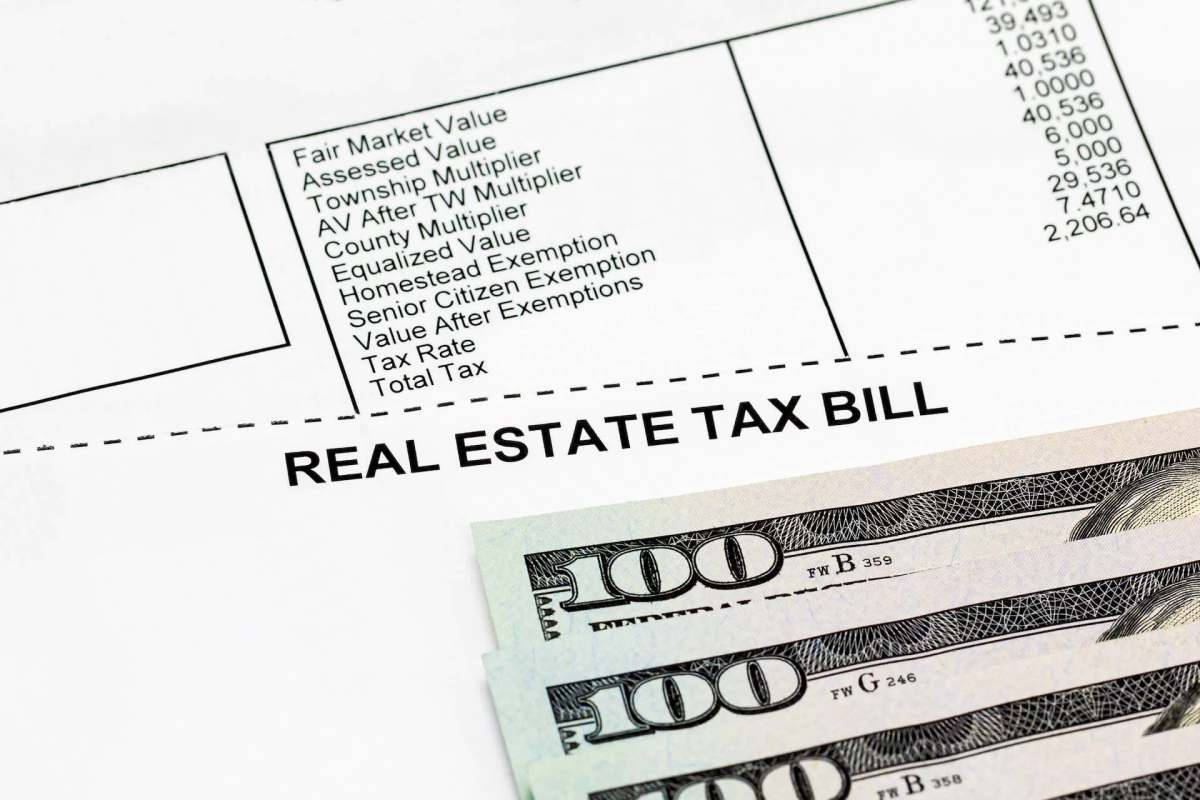
Maryland officials are deciding whether counties and municipalities should get wider latitude to impose property-related taxes and fees.
In a state where many households already struggle to buy a home, housing advocates have said that expanding that authority could push ownership even farther away.
Here's what to know
As The Baltimore Sun reported, a state task force is reviewing whether local governments should gain more options to raise money through taxes and fees, including charges linked to property values and home sales.
The panel is expected to send recommendations to the governor after its final meeting in November, although any broader local taxing power would still need the General Assembly's approval.
Those discussions are taking place in an already challenging housing market. Using 2022 data from the Maryland Department of Housing and Community Development, the publication noted just 49% of moderate-income earners making about $80,000 a year could afford a home, while the National Association of Home Builders said about 1.4 million Maryland households do not make enough to qualify for the median-priced new home at $432,949.
The group said a price increase of only $1,000 would price nearly 3,000 more households out of the market.
TCD Picks » Quince Spotlight
💡These best-sellers from Quince deliver affordable, sustainable luxury for all




Lori Graff, CEO of the Maryland Building Industry Association, said extra taxes and fees would raise costs for people building homes and those trying to buy them.
More background
The dispute over local taxes is tied to Maryland's wider battle over how to fund the government. Lawmakers are also weighing possible state tax hikes as they face a budget shortfall projected at $3.1 billion, a figure expected to grow to $3.9 billion by fiscal 2031, according to the Sun.
Under current law, counties may raise property taxes without getting state permission, even though Maryland determines the formula for calculating the rate. Local governments cannot change other taxes unless state lawmakers first sign off.
Housing costs are also affecting whether residents want to remain in Maryland. A 2024 Maryland Realtors poll found that 30% of voters ages 18 to 34 and 28% of those ages 35 to 49 were considering leaving the state because of housing costs.
What's being done?
The task force has been hearing from local officials and other stakeholders, and it is set to meet again on Oct. 2 before finishing its work in November. Views differ on how to raise revenue without deepening the housing crisis.
Rick Rybeck, a local development consultant, said officials should rethink which parts of property they tax.
In written testimony, he urged local governments to reduce taxes on buildings and raise taxes on land instead: "The supply of land isn't going to shrink, is it? No. There's going to be just as much land after I tax it as there was before, so there's no shrinkage of supply to drive up the price. [But] any time you increase the cost of [building a home], production goes down, and because the supply is now diminished, people bid up the price of what's left over."
JP Krahel, an accounting professor at Loyola University Maryland, said, "It could be a way for different municipalities to say, 'Listen, if we want to encourage home growth, maybe we should lower taxes.'"
Economist Anirban Basu warned that giving local governments more room to act could mean state and local taxes rise at the same time, putting even more financial strain on households.
"Adding new fees and new taxes would really drive up the price of homeownership for anybody," Graff said. "We're a small state, and people can go other places. They can go to Pennsylvania. They can go to Virginia."
Where can I learn more?
Other forces are shaping homeownership costs as people continue to struggle to buy affordable properties.
• Across major cities, office space conversion into apartments is emerging as an affordable-housing strategy.
• Homebuyers say tiny home costs are climbing fast, making lower-cost ownership harder.
• In California, a new housing law is raising affordability and cost concerns.

Get TCD's free newsletters for easy tips, smart advice, and a chance to earn $5,000 toward home upgrades. To see more stories like this one, change your Google preferences here.






