


Maryland is experiencing a brutal stretch of extremely hot weather, leaving residents to contend with both unsafe outdoor heat and the possibility of sharply higher electric bills.
What's happening?
Gov. Wes Moore declared a State of Preparedness after forecasts showed temperatures in Maryland climbing above 100 degrees over Independence Day weekend. The heat was also putting unusual pressure on the regional electricity system.
PJM Interconnection, the grid operator for Maryland and 12 other states, expected demand to exceed 166,000 megawatts on July 2, setting the stage to break the daily record set in 2006, according to reporting from The Baltimore Banner.
Federal officials have already taken emergency steps. The U.S. Department of Energy allowed some power plants to temporarily bypass certain environmental rules and asked data centers and other large customers to switch to backup generators if necessary.
But as temperatures rise, air conditioners run longer and work harder. That added runtime increases electricity use and can push monthly bills upward.
Luckily, there are steps we can all take to reduce elevated electricity bills all summer long.
TCD Picks » Quince Spotlight
💡These best-sellers from Quince deliver affordable, sustainable luxury for all




What can I do?
For many households, the challenge is not just staying cool but paying for it.
Widespread heavy electricity use can strain the grid and prompt emergency actions. When residents reduce their energy consumption, they may lower their bills while also easing pressure on the system.
But heat waves are notorious for increasing cooling costs quickly, especially in homes where chilled air quickly escapes or where electronics and appliances keep drawing power in the background.
A good place to start is by making it easier for your home to hold onto cooled air and keep outdoor heat from getting in.
That includes using window coverings to block sunlight and sealing doors and windows with caulk or weather-stripping, steps the U.S. Department of Energy recommends to prevent cooled air from leaking out.
Keeping blinds closed, leaving a garage door shut, covering the air conditioner condenser with a tarp, and making sure house fans are turning counterclockwise are all good steps.
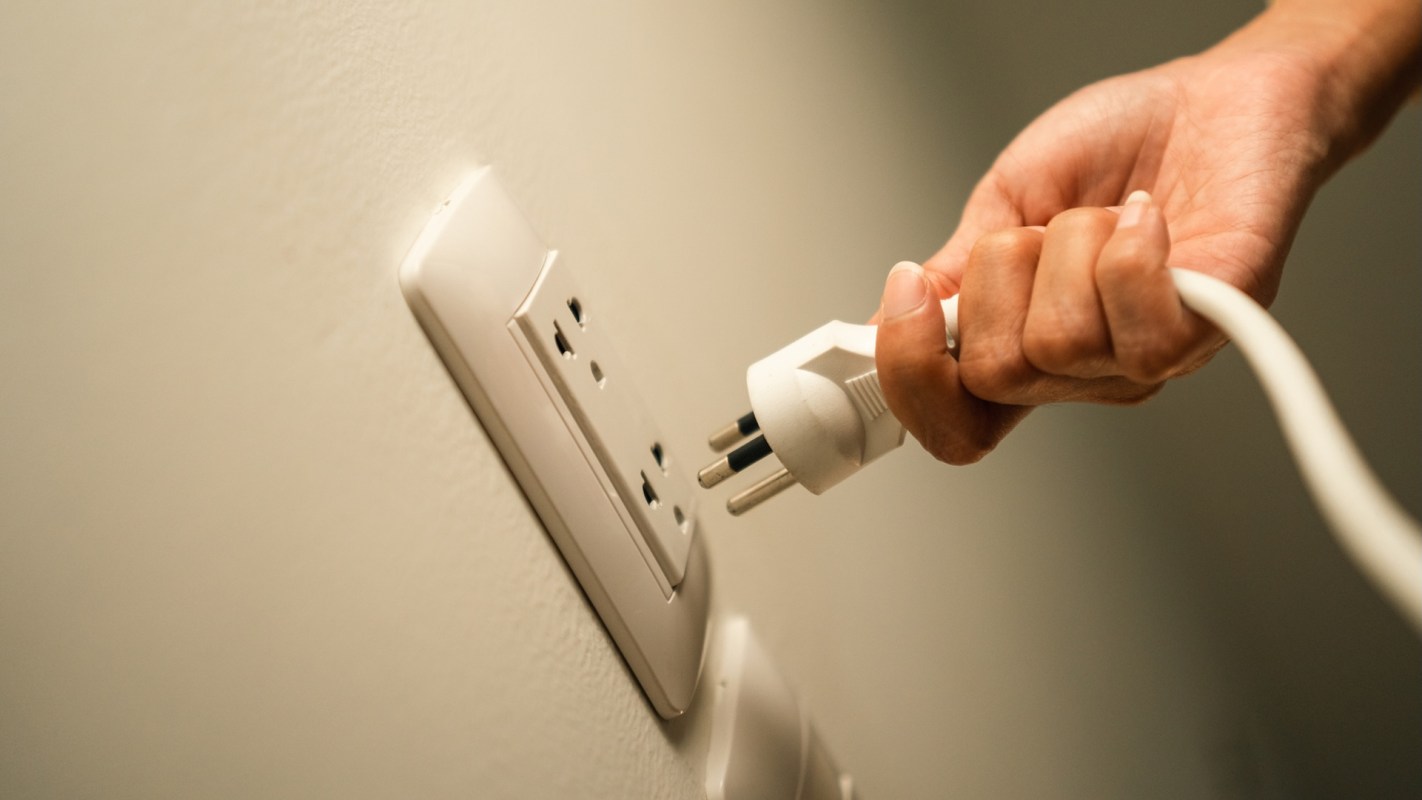
It can also help to stop wasting power on things that are sitting idle. Unplugging electronics and small appliances that are not being used, including TVs, laptops, and toasters, and turning off lights and ceiling fans in empty rooms can reduce consumption.
Over time, appliances that are plugged in but not in active use can quietly eat into a household budget. These "energy vampires" can draw a surprising amount of electricity.
Another way to cut demand is to avoid adding more heat indoors. The utility company Baltimore Gas and Electric recommends waiting until after 9 p.m. to use major heat-generating appliances such as the oven, stove, dishwasher, and dryer.

Get TCD's free newsletters for easy tips, smart advice, and a chance to earn $5,000 toward home upgrades. To see more stories like this one, change your Google preferences here.






