


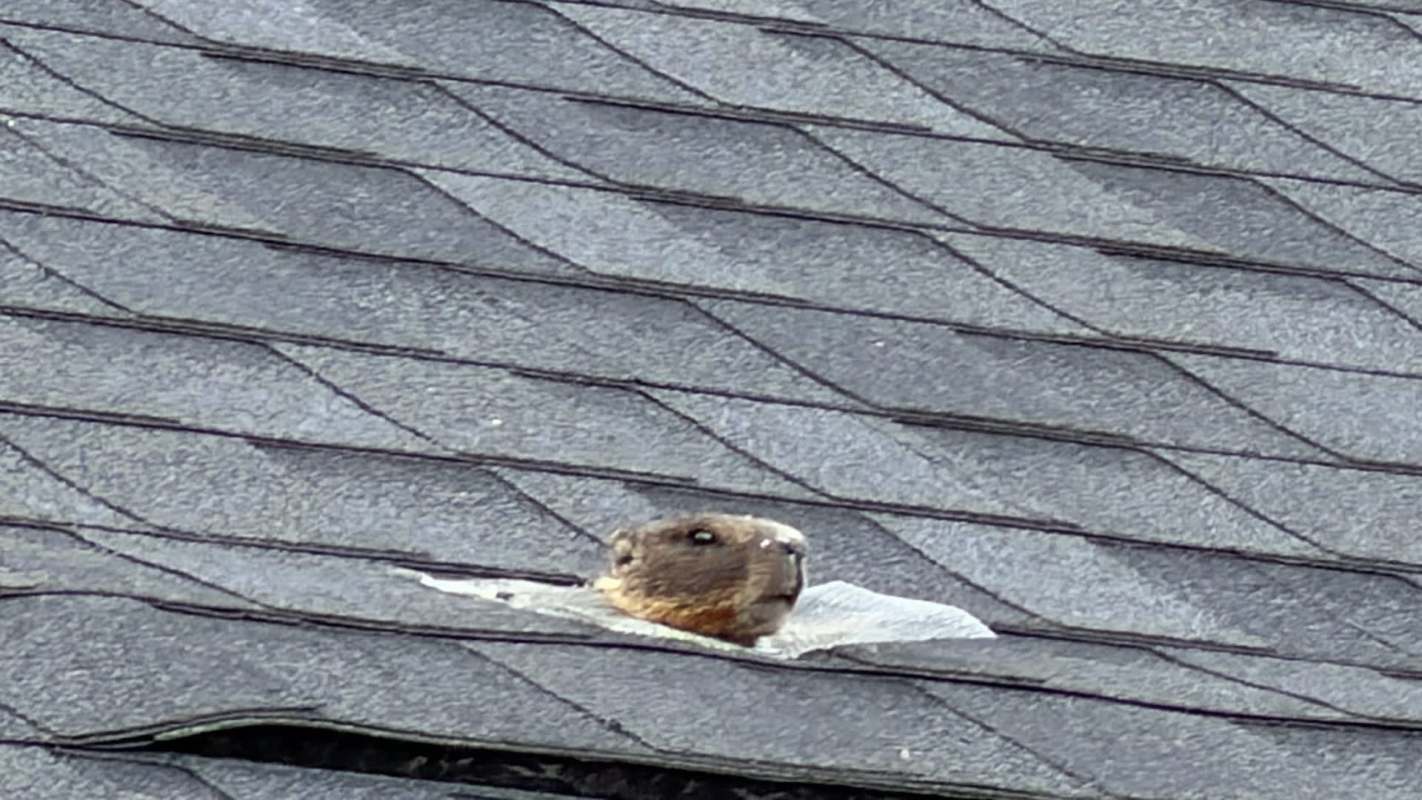
A Spokane-area homeowner found themselves in an unusual standoff after a marmot chewed through the roof and moved into the attic. The strange break-in soon became a lengthy removal effort, underscoring how quickly a small wildlife issue can turn into an expensive headache for homeowners and a dangerous situation for animals.
What happened?
According to KHQ, the Washington Department of Fish and Wildlife recently highlighted a case involving a marmot that kept getting into a house.
The homeowner's first complaint was that the marmot was living in the attic overhead. It chewed through the roof, breached wildlife screening, and then created yet another opening after the original spot was patched with metal, KHQ reported.
The WDFW said the episode was out of the ordinary, but this season can bring small mammals into decks, crawl spaces, garages, and sheds to build nests and raise babies. A wildlife control operator was eventually brought in.
Removing it still proved challenging. The WDFW said the marmot avoided three traps in the attic before finally entering a one-way trap mounted on the roof. It later escaped that setup as well, and only on a subsequent attempt did the homeowner and operator manage to secure it in a trap it couldn't escape. A later inspection showed there were no babies in the attic.
Why does it matter?
Situations like this can leave homeowners with major damage. When a wild animal gets into an attic, it can lead to expensive repairs, multiple points of entry, and the anxiety of wondering whether more animals — or babies — are still inside.
TCD Picks » Quince Spotlight
💡These best-sellers from Quince deliver affordable, sustainable luxury for all




The case also reflects a broader issue. Human developments can inadvertently attract wildlife to ideal places to shelter. Warm attics, garages, sheds, and crawl spaces can mimic the kind of protected den sites animals look for in the wild, particularly when their habitat is fragmented or housing spreads farther into natural areas.
WDFW added that marmots are not the only species capable of this. KHQ reported that raccoons, skunks, squirrels, and other animals may also occupy areas in or under homes and outbuildings.
What's being done?
Here, the short-term fix was professional removal. According to WDFW, a wildlife control operator was essential in capturing the marmot.
To help avoid similar problems, residents can inspect roofs and vents, look for gaps in crawl spaces and sheds, repair damaged screening, and seal entry points before animals get established. When an animal is already inside, people should avoid sealing openings too quickly in case young animals are present.

Get TCD's free newsletters for easy tips, smart advice, and a chance to earn $5,000 toward home upgrades. To see more stories like this one, change your Google preferences here.






