


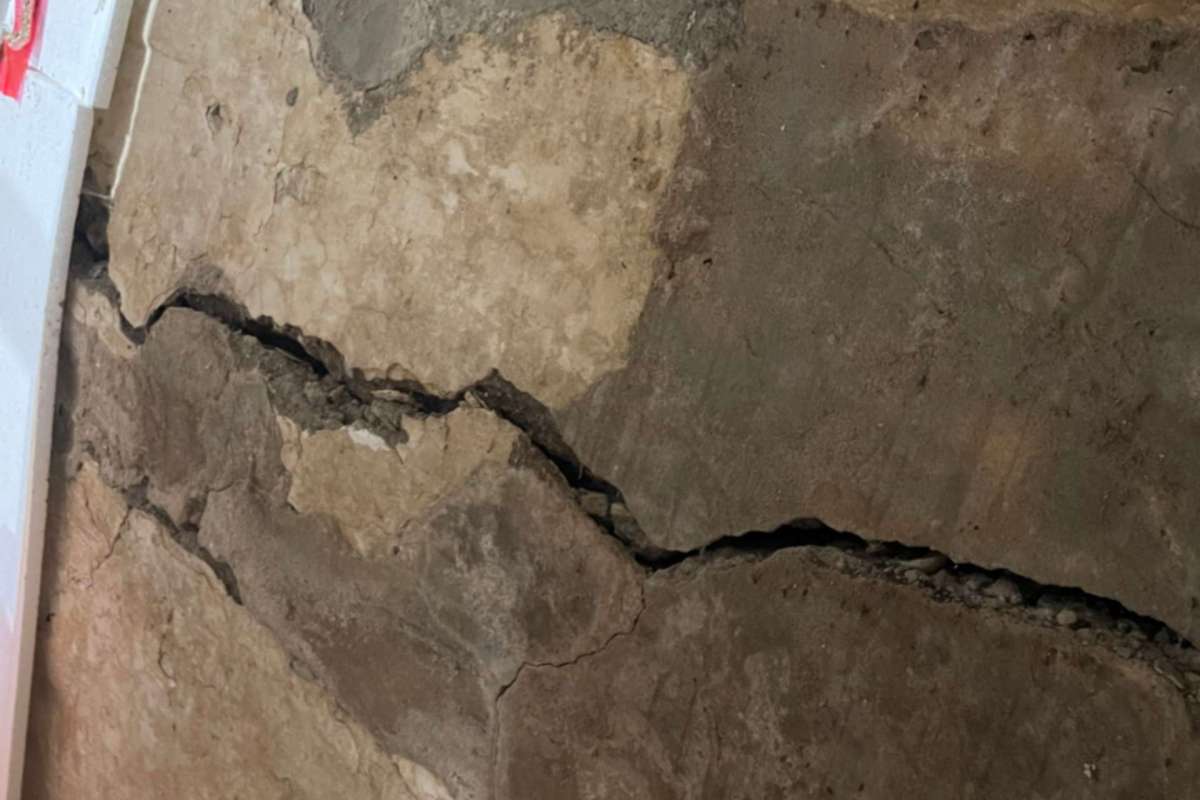
One Manitoba homeowner who peeled back Styrofoam board in the basement of their 1910 house found what others described as bowed walls, visible cracking, and a foundation problem serious enough to raise the question of whether the home is still safe.
Here's what to know
In a post to Reddit's r/CenturyHomes forum, this homeowner asked, "Is this house even safe to have my family living in?"
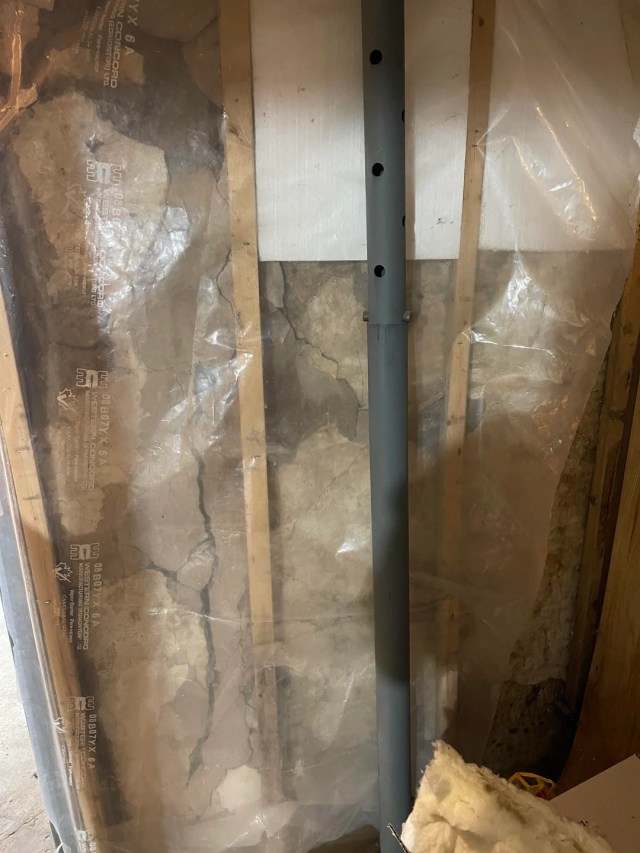
The original poster wrote in the Reddit thread that they had owned the 1910 property for about five years when they discovered that "someone was nice enough to hide the basement walls behind 3/4 styrofoam board and well, this is what I found hiding…"
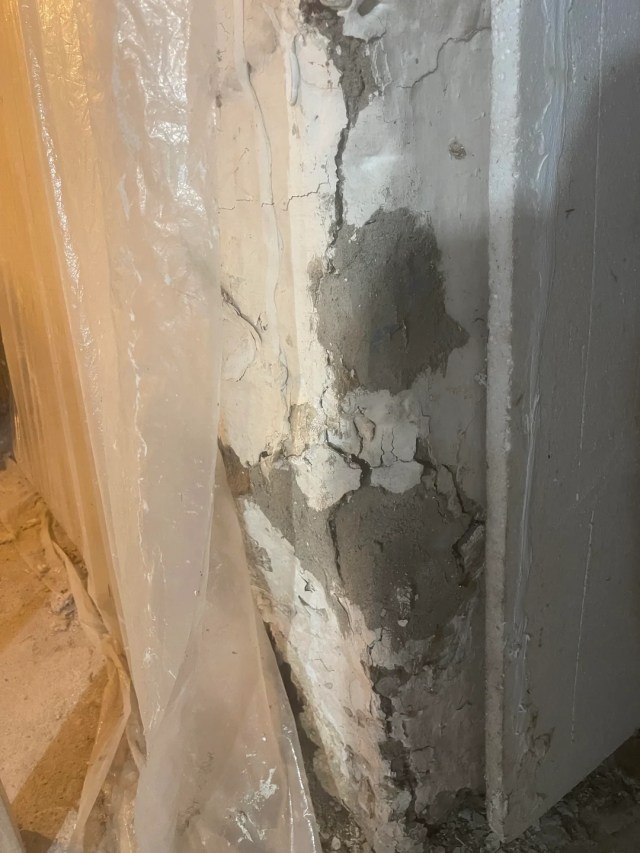
One commenter urged the homeowner to spend "3 digits or low 4 on an independent structural engineer, not a guy from a foundation repair company, and let them give a report on how to approach this 5 digit project."
In response to the photos, another commenter wrote, "Any time there are horizontal cracks and bowing it's a bad sign," and said the foundation looked like it had completely failed and "more than likely needs to be completely replaced."
More background
Much of the anger in the thread centered on the possibility that the foam had concealed obvious trouble rather than simply insulating the basement. One commenter said even the panels appeared bowed, while another suggested checking the styrofoam for a manufacturer date stamp, since that could help establish a timeline.
TCD Picks » Quince Spotlight
💡These best-sellers from Quince deliver affordable, sustainable luxury for all




Several users also said the homeowner should review any inspection paperwork from the purchase. If signs of movement were visible even before the foam came down, that could raise more questions about what was disclosed, what was missed, and whether anyone should have flagged the risk earlier.
One commenter noted that because the owner has been in the house for five years, a lawsuit might be "a dead end" unless there is some way to identify a contractor or another third party that had previously documented the damage.
The strongest consensus in the thread was to get an independent structural engineer involved before turning to a company that sells foundation repair systems.
If there was any evidence that the damage was knowingly hidden, commenters suggested piecing together a timeline through the foam's date stamp and any inspection records, then consulting with a real estate lawyer or title insurance provider.
Where can I learn more?
The Manitoba basement discovery raised the kinds of questions homeowners often face around hidden damage and dangers, repairs, and disclosure.
• In some states, lawmakers now require flood-risk history disclosure before buyers commit to a property.
• Insurers warn that bigger, more costly repairs can follow popular home trends.
• Health advocates say the federal government is once again putting lives at risk as EPA reconsiders an asbestos ban.

Get TCD's free newsletters for easy tips, smart advice, and a chance to earn $5,000 toward home upgrades. To see more stories like this one, change your Google preferences here.






