


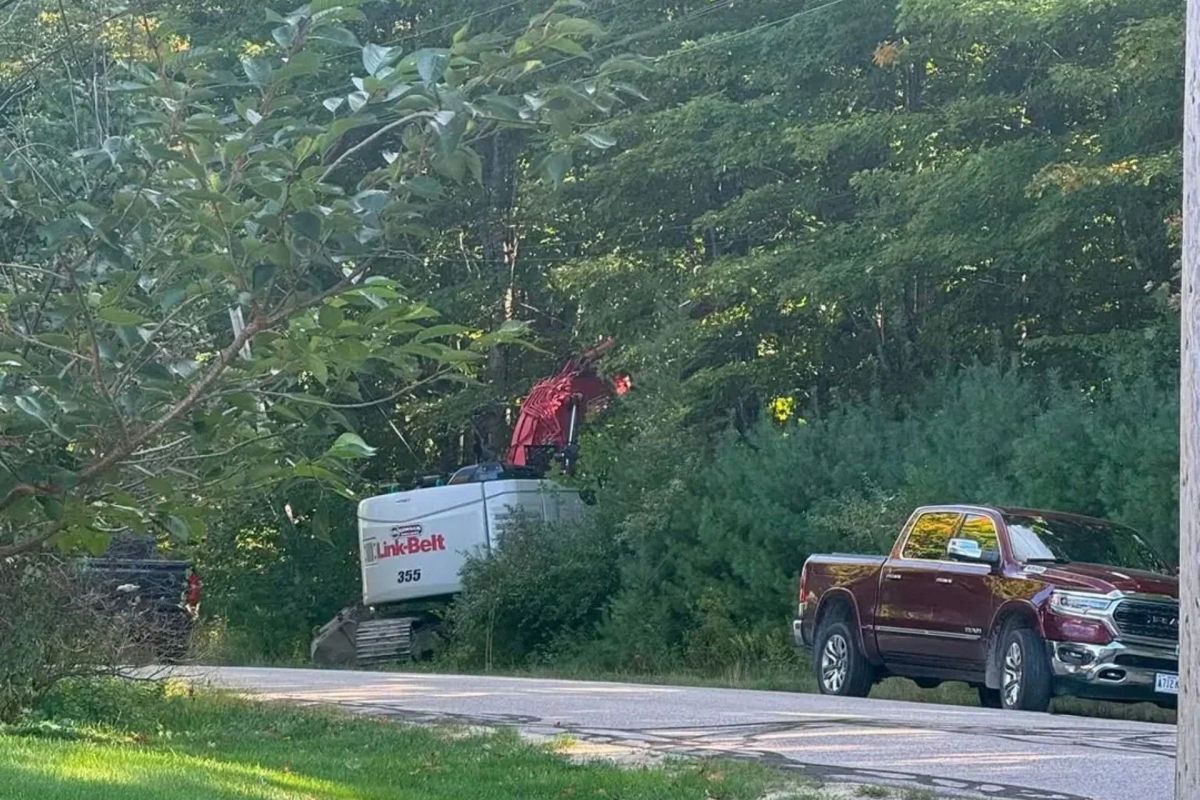
A 30-unit project approved behind a two-acre Maine homestead has left the property's owner saying the peace and quiet they were after has been upended.
Here's what to know
On Reddit's r/homestead community, the original poster said active construction is close to their barn, and heavy equipment can be seen from the backyard. They noted that a 30-unit development had been approved right beside their land.
"We moved from south Florida to Maine two years ago," they wrote. "We bought our homestead on two acres and have loved it. It's the peace we've always wanted growing up. … [Now] I feel so defeated and angry."
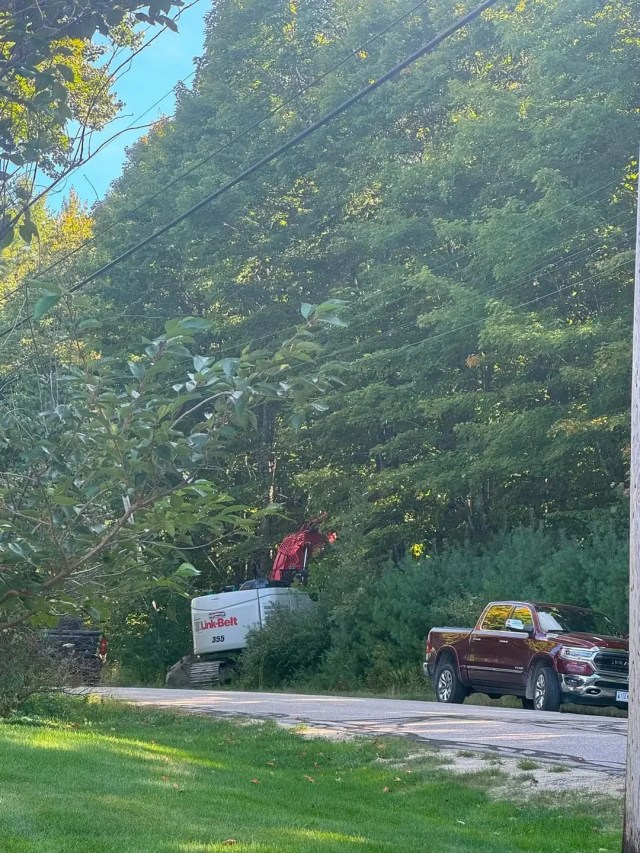
In their telling, the project moved ahead "despite us being in the farm zone of the town" because "the town can just change it to an overlay zone."
The OP proceeded to warn the rest of the homesteading forum that "do what you need to protect your homes because this will not stop."
Many commenters agreed with their frustration. One user put it bluntly, saying, "No escaping over-development, we just grow islands of refugia."
TCD Picks » Quince Spotlight
💡These best-sellers from Quince deliver affordable, sustainable luxury for all




Another wrote, "Unfortunate, but be grateful it's not a data center."
A third commenter said, "This is the exact reason we're moving in two weeks. Construction crews are up to no good because they keep hauling the dumpsters off at 3:30am despite the 'noise ordinance' in the town."
More background
The situation reflected a tension playing out in many communities across America, where housing growth, zoning changes, and development pressure can transform farmland and wooded edges parcel by parcel.
On a two-acre site, even a legally approved project next door can bring major day-to-day disruption. Noise, headlights, dust, loss of tree cover, and reduced privacy can all alter how a property functions, especially when animals, outbuildings, and outdoor work are part of everyday life.
What can be done?
For homeowners hoping to avoid this kind of surprise, one of the most useful steps is understanding how your local zoning actually works, not just what a parcel is zoned for, but how overlay districts, variances, and planning board approvals can shape future use.
Public agendas, zoning maps, and town meeting records can also provide early warnings.
If a project is already moving forward, residents may still be able to push for protections that soften the impact. Asking local officials about setbacks, drainage controls, tree buffers, fencing, lighting rules, and limits on construction hours can matter, even when stopping a project is unrealistic.
On the property itself, practical mitigation can help preserve some comfort and safety. As one commenter put it, "Good hedgerows can be multifunctional. Good fences make good neighbors."
Trees, shrubs, sound barriers, and better screening around barns or animal areas will not restore lost woods, but they can reduce exposure.
Some commenters also mentioned a few possible upsides, including more potential customers for eggs, baked goods, or produce, along with the chance that property values could increase.
Where can I learn more?
Battles over what happens on the land next door can quickly turn into fights over privacy, trees, and what homeowners can do once the damage is done.
• In Arkansas, worried locals in Benton County pushed back as housing plans threatened rural land.
• A homeowner said new neighbors made unsolicited changes, turning a yard into another dispute.
• One resident was left wondering if they had a say after a neighbor wanted to cut back a large tree.

Get TCD's free newsletters for easy tips, smart advice, and a chance to earn $5,000 toward home upgrades. To see more stories like this one, change your Google preferences here.






